Did you know that you don’t have to be a qualified electrician in order to carry out PAT testing?
As long as you’re competent to do so, absolutely anyone can check electrical appliances for safety. The most commonly accepted way to be seen as competent is to take a PAT training course and be presented with a Certificate of Competency in PAT testing.
What is PAT Testing?
Portable Appliance Testing, also known as PAT testing, is the examination of portable electrical equipment and appliances to ensure they are safe to use. It generally includes three steps;
Regular, informal checks by the electrical equipment’s user(s)
A formal visual inspection of the equipment
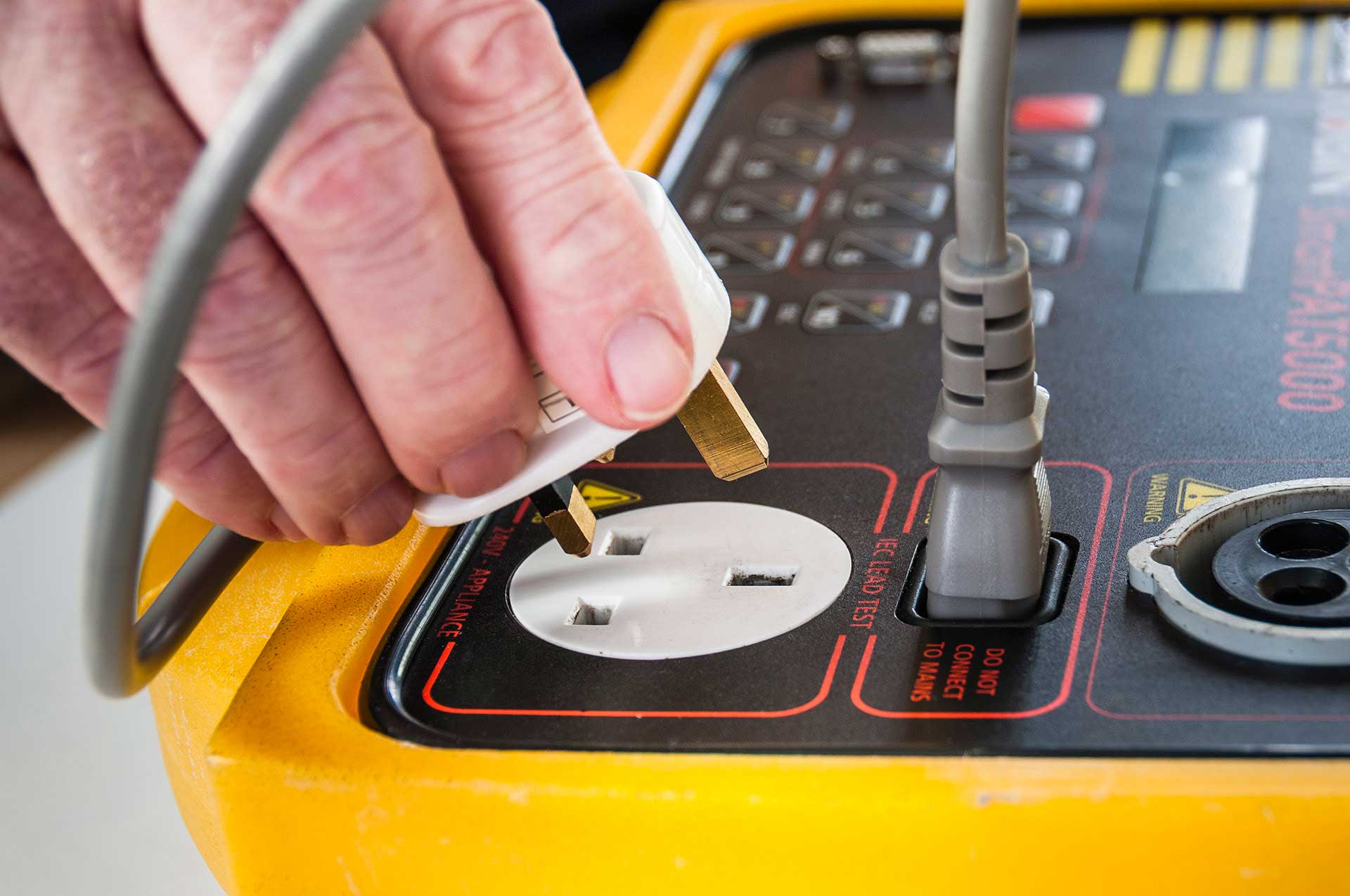
A manual examination of the equipment with a portable appliance tester device (the PAT test)
Any portable electrical appliance (anything with a lead and a plug) needs to be PAT tested. Some examples include laptops and computers, kettles, handheld drills, printers, microwaves etc.
Is PAT testing a legal requirement?
PAT testing is not a legal requirement. The law does state that any electrical equipment in the workplace must be maintained to ensure it is safe and doesn’t pose any risk to the people using it. It doesn’t, however, specify how the equipment should be maintained, or how often.
Generally, PAT testing involves three steps, user checks, a visual inspection and the manual PAT test using a portable appliance tester.
User checks
All users should be trained on how to use the equipment safely. This includes understanding the risks associated with the equipment and how to look out for signs of danger. Every individual should be able to visually check the appliance for any signs of damage and understand whether or not it is safe for use. They should also be able to highlight potential hazards such as trapped cables or water hazards.
Visual inspection
A formal visual inspection should be carried out by a competent member of staff or a professional (an electrical engineer). The HSE says that this process normally flags up 90% of issues with electrical equipment. The equipment should be switched off and unplugged before carrying out this stage of the inspection.
Check the plug for any signs of damage. This includes cracks, burns, or bent pins. When checking the wiring, you should ensure that the live, neutral and earth wires are all tightly connected.
Check the cable for any signs of damage. This could be cuts or fraying. Any exposed wiring is a fail.
Check the appliance itself for damages. This includes cracks, burns, corrosion or other signs of wear and tear.
Check the mains socket for damages. This doesn’t relate to the appliance itself, but it’s worth checking for cracks, signs of overheating and any loose fittings on the plug socket.
Residual current device (RCD) checks. The RCD’s test button will trip if the current flowing through the live conductor is different to that in the neutral.
Manual Examination
Once the visual inspection is complete, it’s time for the manual examination. This is the stage of the Electrical PAT Testing where the portable appliance tester device is introduced. This device will test the appliance for earth continuity, lead polarity and insulation resistance.
Depending on the results, the appliance will receive a pass or fail sticker. Failed appliances should not be used, and should be removed for disposal or repair. Once repaired, it must pass an additional PAT test to be considered safe for use.
Who can carry out a PAT test?
Electrical PAT testing can be carried out by any competent person with the relevant training and equipment. This will likely be a qualified electrician. Interested in learning how to perform PAT testing and other electrical procedures? You might want to consider completing an electrical course.Get in touch with The Skills Centre to learn more about becoming an electrical engineer, or read more about our courses on our website!
Cost of Gas Engineer Training: Investment and Returns
Understanding the financial commitment involved in gas engineer training helps you make an informed decision about this rewarding career path. This guide breaks down the costs associated with becoming a qualified gas engineer and examines the potential returns on your investment.
Training Course Fees and Costs
Gas engineer course fees vary depending on the training provider, course duration and level of certification included. Most comprehensive programmes cover Gas Safe registration preparation, which is essential for working legally as a gas engineer in the UK.
Full-time intensive courses typically run over several weeks, whilst part-time options may extend over several months to accommodate working schedules. The course fee usually includes tuition, assessment costs and initial certification expenses.
Some training providers offer modular courses, allowing you to complete specific qualifications separately. This approach can spread costs over time but may result in higher overall expenses compared to comprehensive packages.
As a benchmark, the training provider Logic4training publishes new entrant gas engineer packages from around GBP5,495 plus VAT, or from around GBP2,995 plus VAT for people with relevant trade experience, with CCN1 and appliance reassessment at around GBP965 plus VAT (Logic4training, updated October 2026). Fees vary widely between providers, so compare the whole package, including assessment and portfolio support, rather than the headline price.
Additional Equipment and Material Expenses
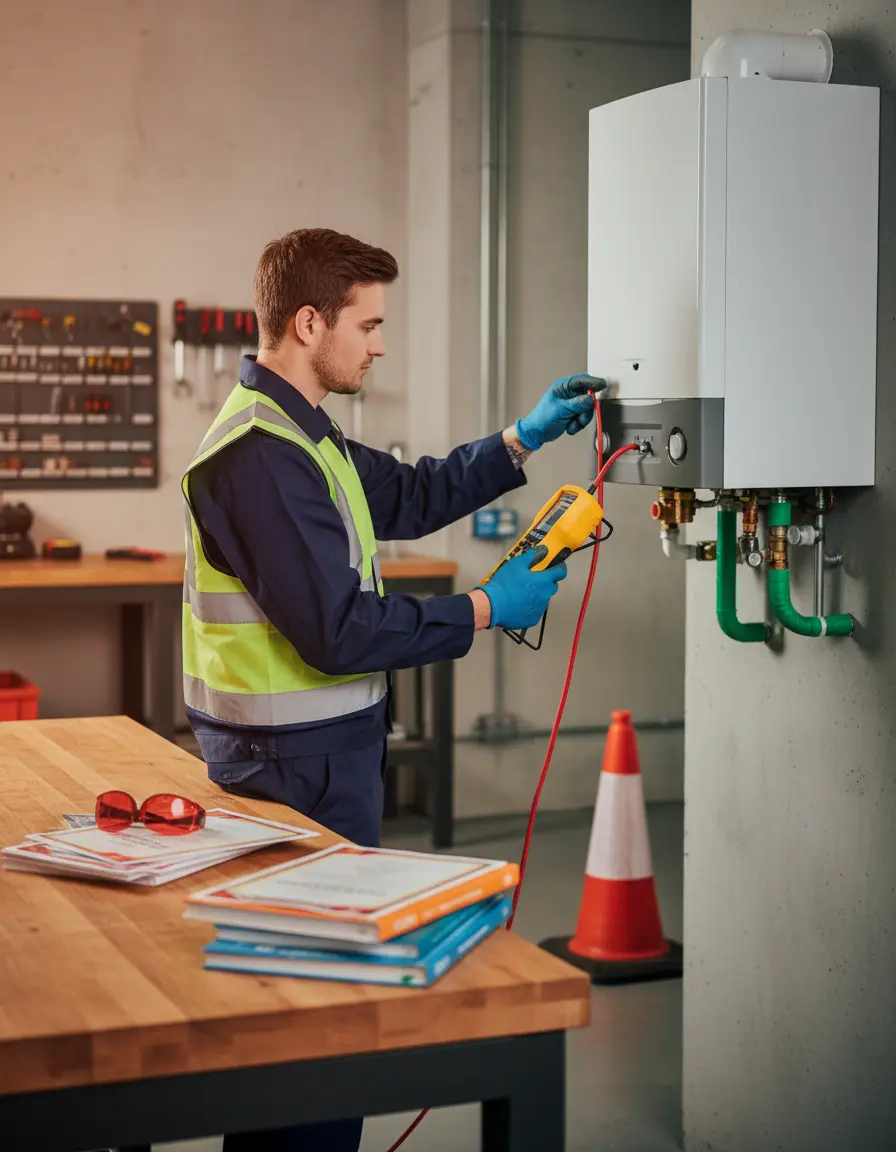
Beyond course fees, you'll need to budget for essential equipment and materials. A basic gas engineer toolkit includes specialised instruments for testing gas appliances, leak detection equipment and safety gear.
Personal protective equipment (PPE) is mandatory and includes safety boots, hard hats, high-visibility clothing and gas detection monitors. Quality tools represent a significant initial investment but are essential for professional work.
Many training providers include basic equipment in their course packages, whilst others require students to purchase items separately. Check what's included before enrolling to avoid unexpected costs.
Textbooks, study materials and online resources may incur additional charges. Some courses provide digital materials, reducing printing and shipping costs.
Funding Options and Financial Support
Several funding options can help manage gas engineer training costs. Career development loans offer competitive interest rates for vocational training, with repayments typically starting after course completion.
Some local councils provide grants or subsidised training for residents seeking career changes or skills development. Eligibility criteria vary by location, so check with your local authority about available programmes.
Employer-sponsored training is increasingly common, particularly for existing heating engineers or plumbers looking to add gas qualifications. Many employers cover full course costs in exchange for employment commitments.
Unemployment benefits recipients may access training grants through Jobcentre Plus programmes. These schemes often cover course fees and may provide additional support for equipment purchases.
Apprenticeship Salary Expectations
Gas engineer apprenticeships combine practical work experience with formal training, providing income whilst learning. Apprentice minimum wage rates apply during training periods, though many employers pay above statutory minimums.
First-year apprentices typically earn the apprentice minimum wage, with increases as they progress through training levels. Experienced apprentices over 19 who have completed their first year may receive standard minimum wage rates or higher.
Apprenticeship salaries vary significantly by employer and region. Larger companies often offer structured progression with regular pay increases, whilst smaller firms may provide more flexible arrangements.
Many apprentices receive additional benefits including pension contributions, holiday pay and training allowances. Some employers also provide company vehicles and fuel cards for work-related travel.
Qualified Gas Engineer Earning Potential
Qualified gas engineers enjoy strong earning potential across various employment options. Employed gas engineers working for established companies typically earn steady salaries with benefits packages.
Self-employed gas engineers often achieve higher hourly rates but must manage business expenses, insurance costs and irregular income patterns. Many experienced engineers combine employed and freelance work to maximise earnings.
Specialisation in particular areas can significantly increase earning potential. Commercial gas work, renewable energy systems and emergency repair services often command premium rates.
Regional variations affect gas engineer salaries, with higher rates typically available in London and the South East. However, living costs in these areas may offset salary advantages.
As a benchmark, the National Careers Service lists pay for gas service technicians at around GBP25,000 a year for starters, rising to around GBP45,000 for experienced engineers (National Careers Service, 2026). That figure covers employed engineers; self-employed gas engineers set their own rates, so their earnings depend on the volume of work they take on and are not captured by the official average.
Experienced gas engineers with strong reputations can build substantial client bases, leading to six-figure annual incomes. Building this level of success requires time, excellent service delivery and effective business management skills.
Return on Investment Timeline
Most gas engineers recover their training investment within the first year of qualified work. The exact timeline depends on training costs, employment type and local market conditions.
Employed gas engineers typically see steady returns through regular salaries, whilst self-employed engineers may achieve faster payback through higher rates but with greater income variability.
Career progression opportunities can accelerate return on investment. Senior positions, supervisory roles and business ownership all offer enhanced earning potential beyond basic qualified rates.
The gas engineering sector offers long-term career stability due to ongoing demand for heating system maintenance, installation and repair services. This stability helps ensure continued returns on your initial training investment.
Additional qualifications and specialisations can extend earning potential throughout your career. Many gas engineers pursue further training in renewable technologies, commercial systems or related trades to diversify their skills and income sources.
Considering both immediate earning potential and long-term career prospects, gas engineer training represents a solid investment for those seeking stable, well-paid employment in an essential industry.
If you're ready to explore gas engineer training options, contact Skills Centre UK to discuss course availability and find the programme that best fits your career goals and budget.
Frequently asked questions
How much does gas engineer training cost?
Gas engineer training costs vary depending on the provider and course type. Fees typically include tuition, assessments and initial certification, with additional costs for equipment and materials. Contact training providers for specific pricing information.
Can I get funding for gas engineer training?
Yes, several funding options exist including career development loans, local council grants, employer sponsorship and Jobcentre Plus programmes for eligible candidates. Funding availability depends on your circumstances and location.
How much do gas engineer apprentices earn?
Gas engineer apprentices typically earn apprentice minimum wage during their first year, with potential increases as they progress. Many employers pay above statutory minimums and provide additional benefits.
How long does it take to recover training costs?
Most gas engineers recover their training investment within the first year of qualified work. The timeline varies based on training costs, employment type and local market rates.
What additional equipment costs should I expect?
Essential equipment includes gas testing instruments, leak detection tools, PPE and basic toolkit items. Some training providers include equipment in course packages, whilst others require separate purchases.