Did you know that you don’t have to be a qualified electrician in order to carry out PAT testing?
As long as you’re competent to do so, absolutely anyone can check electrical appliances for safety. The most commonly accepted way to be seen as competent is to take a PAT training course and be presented with a Certificate of Competency in PAT testing.
What is PAT Testing?
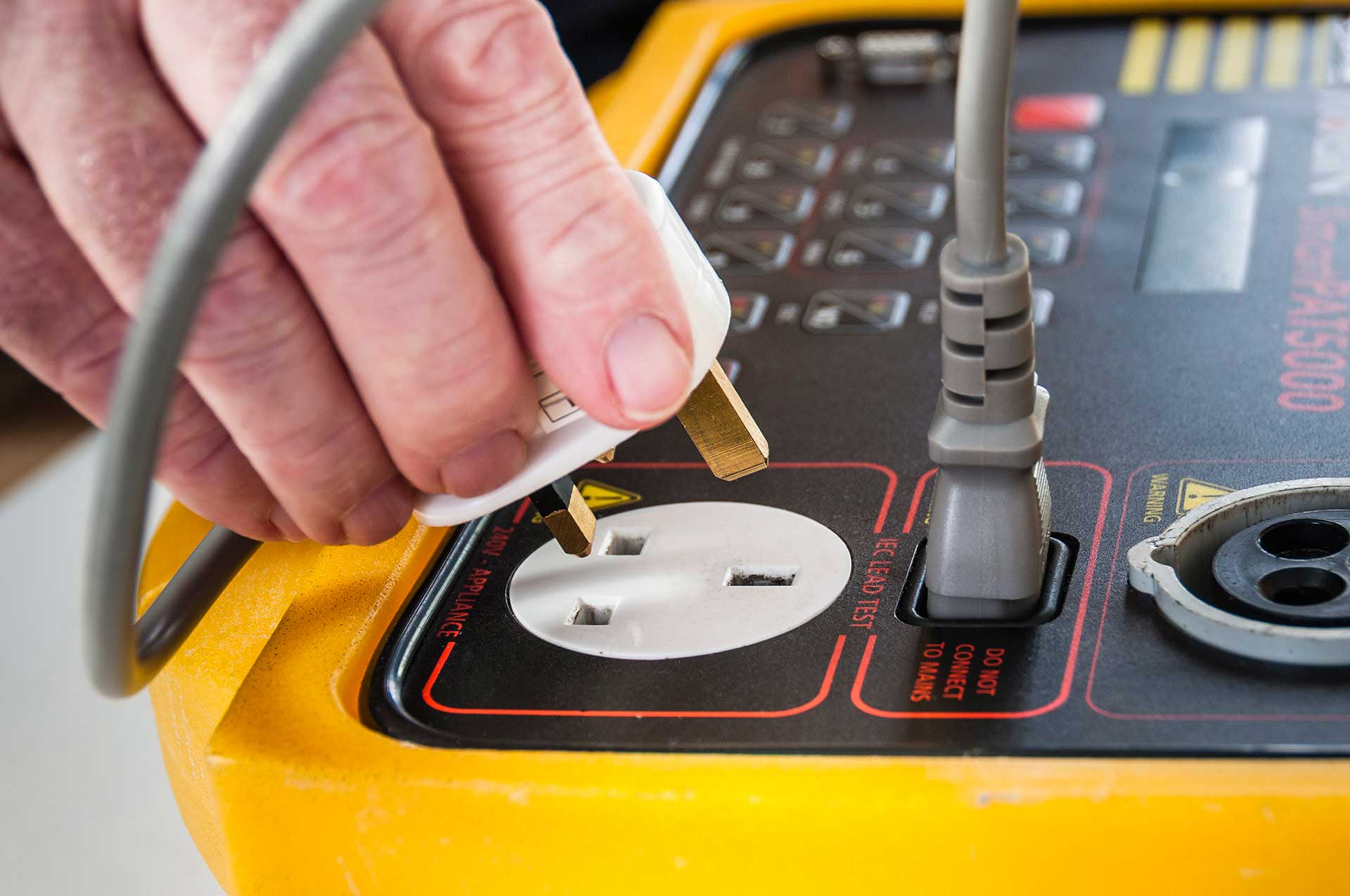
Portable Appliance Testing, also known as PAT testing, is the examination of portable electrical equipment and appliances to ensure they are safe to use. It generally includes three steps;
Regular, informal checks by the electrical equipment’s user(s)
A formal visual inspection of the equipment
A manual examination of the equipment with a portable appliance tester device (the PAT test)
Any portable electrical appliance (anything with a lead and a plug) needs to be PAT tested. Some examples include laptops and computers, kettles, handheld drills, printers, microwaves etc.
Is PAT testing a legal requirement?
PAT testing is not a legal requirement. The law does state that any electrical equipment in the workplace must be maintained to ensure it is safe and doesn’t pose any risk to the people using it. It doesn’t, however, specify how the equipment should be maintained, or how often.
Generally, PAT testing involves three steps, user checks, a visual inspection and the manual PAT test using a portable appliance tester.
User checks
All users should be trained on how to use the equipment safely. This includes understanding the risks associated with the equipment and how to look out for signs of danger. Every individual should be able to visually check the appliance for any signs of damage and understand whether or not it is safe for use. They should also be able to highlight potential hazards such as trapped cables or water hazards.
Visual inspection
A formal visual inspection should be carried out by a competent member of staff or a professional (an electrical engineer). The HSE says that this process normally flags up 90% of issues with electrical equipment. The equipment should be switched off and unplugged before carrying out this stage of the inspection.
Check the plug for any signs of damage. This includes cracks, burns, or bent pins. When checking the wiring, you should ensure that the live, neutral and earth wires are all tightly connected.
Check the cable for any signs of damage. This could be cuts or fraying. Any exposed wiring is a fail.
Check the appliance itself for damages. This includes cracks, burns, corrosion or other signs of wear and tear.
Check the mains socket for damages. This doesn’t relate to the appliance itself, but it’s worth checking for cracks, signs of overheating and any loose fittings on the plug socket.
Residual current device (RCD) checks. The RCD’s test button will trip if the current flowing through the live conductor is different to that in the neutral.
Manual Examination
Once the visual inspection is complete, it’s time for the manual examination. This is the stage of the Electrical PAT Testing where the portable appliance tester device is introduced. This device will test the appliance for earth continuity, lead polarity and insulation resistance.
Depending on the results, the appliance will receive a pass or fail sticker. Failed appliances should not be used, and should be removed for disposal or repair. Once repaired, it must pass an additional PAT test to be considered safe for use.
Who can carry out a PAT test?
Electrical PAT testing can be carried out by any competent person with the relevant training and equipment. This will likely be a qualified electrician. Interested in learning how to perform PAT testing and other electrical procedures? You might want to consider completing an electrical course.Get in touch with The Skills Centre to learn more about becoming an electrical engineer, or read more about our courses on our website!
Local Gas Engineer Courses: Finding Training Near You
Finding the right gas engineer course in your local area requires careful research and consideration of several key factors. Whether you're starting a new career or advancing your existing skills, choosing a training centre that meets your needs and circumstances will set the foundation for your professional success.
Locating Gas Engineer Training Centres
Start your search by identifying training centres within a reasonable distance from your home or workplace. Many established training providers operate across multiple locations throughout the UK, offering flexibility in where you complete your studies.
Check online directories and training provider websites to find centres in your region. Most reputable providers will have a location finder or contact details for their various sites. Consider the frequency of course start dates at each location, as some centres may run programmes more regularly than others.
Local job centres and career advice services often maintain lists of approved training providers in the area. These resources can be particularly helpful if you're considering funding options or apprenticeship opportunities.
Evaluating Course Quality and Facilities
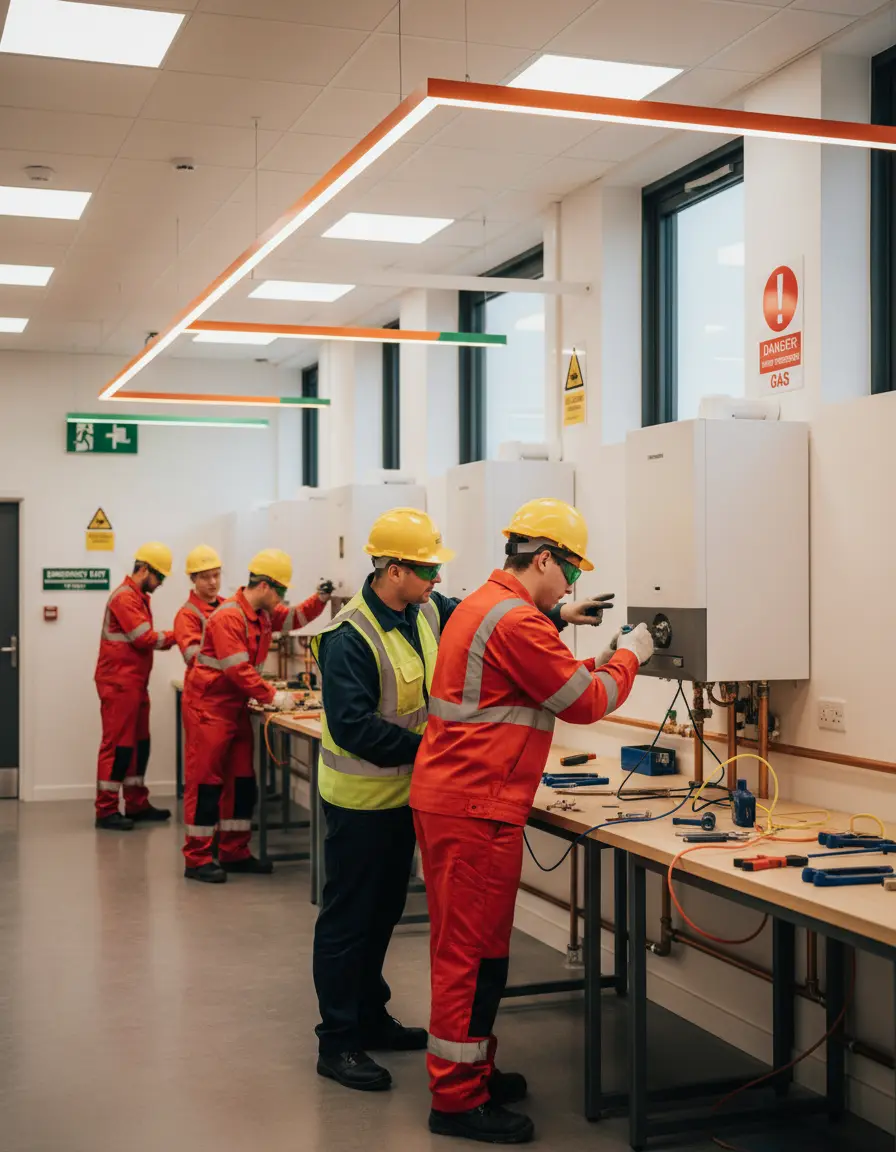
The quality of training facilities directly impacts your learning experience. When visiting potential training centres, look for well-maintained workshops with up-to-date equipment that reflects current industry standards.
Modern gas appliances, boilers and heating systems should be available for hands-on practice. Training kitchens and bathroom installations allow you to work with realistic scenarios you'll encounter in the field.
Class sizes matter for practical subjects like gas engineering. Smaller groups typically mean more individual attention from instructors and better access to equipment during practical sessions.
Inquire about the qualifications and industry experience of the teaching staff. Instructors with recent field experience can provide valuable insights into current industry practices and emerging technologies.
Training Centre Accreditation
Verify that any training centre you consider holds proper accreditation from recognised industry bodies. Gas Safe Register approval is essential for any programme leading to gas work qualifications.
Check whether the centre is approved to deliver specific qualifications you need, such as ACS (Appliance Certification Scheme) assessments or City & Guilds qualifications. Different centres may specialise in particular aspects of gas engineering training.
Ofsted ratings for further education providers can give you insight into the overall quality of training delivery and student outcomes. Look for centres with recent positive inspection reports.
Awarding body approvals from organisations like City & Guilds, EAL or BPEC indicate that the centre meets required standards for delivering recognised qualifications.
Local Industry Connections
Training centres with strong local industry connections often provide better employment prospects for their graduates. Ask about partnerships with local employers, apprenticeship opportunities and job placement support.
Some centres maintain relationships with local gas engineering companies, heating contractors and social housing providers. These connections can lead to work experience placements, apprenticeships or direct employment opportunities.
Inquire about guest speakers from local industry or site visits to working installations. These experiences provide valuable networking opportunities and real-world context for your studies.
Check whether the centre offers career support services, including CV writing assistance, interview preparation and ongoing professional development advice.
Transport and Accommodation Options
Consider the practical aspects of attending your chosen training centre regularly. Reliable public transport links or adequate parking facilities will affect your daily experience and punctuality.
For intensive courses or those requiring early starts, proximity to your home or good transport connections become particularly important. Calculate realistic travel times during peak hours, not just off-peak journey times.
Some training providers offer accommodation recommendations for students travelling from distant locations. This can be particularly relevant for intensive courses or those combining theoretical and practical elements over several weeks.
Consider the total cost of attendance, including travel expenses, parking fees and any accommodation costs. These additional expenses can significantly impact the overall investment in your training.
Comparing Local vs Distance Learning
While gas engineering requires substantial practical training that must be completed in person, some theoretical components may be available through distance learning options.
Blended learning programmes combine online theory modules with practical workshop sessions. This approach can reduce the number of days you need to attend the training centre while maintaining the essential hands-on experience.
Purely distance learning options are limited for gas engineering due to the practical nature of the work and safety requirements. However, some preparatory courses or continuing professional development modules may be available online.
Consider your learning style and personal circumstances when evaluating different delivery methods. Some students benefit from the structure and social interaction of regular classroom attendance, while others prefer the flexibility of blended approaches.
Local training centres often provide better support for practical assessments and ongoing mentorship throughout your course. The ability to return for additional practice sessions or clarification can be valuable during your studies.
Making Your Final Decision
Visit your shortlisted training centres in person before making a final decision. This allows you to assess the facilities, meet the staff and get a feel for the learning environment.
Speak to current students or recent graduates if possible. Their experiences can provide honest insights into the quality of training, support available and employment outcomes.
Compare course content, duration and assessment methods across different providers. Ensure that the programme you choose aligns with your career goals and provides the qualifications you need for your intended specialisation.
Consider the timing of course starts and how this fits with your current commitments. Some centres offer evening or weekend options for those who cannot attend full-time programmes.
If you're ready to start your gas engineering career with professional training that combines quality instruction with practical experience, Skills Centre UK offers comprehensive gas engineer courses designed to prepare you for industry success. Contact us to discuss your training needs and find the programme that's right for you.
FAQ
How do I find accredited gas engineer training centres near me?
Search online directories, check Gas Safe Register approved training providers, and contact local job centres for recommendations. Visit training centre websites to find their nearest locations and verify their accreditations.
What should I look for when visiting a gas engineer training centre?
Check for modern equipment, well-maintained facilities, qualified instructors with industry experience, appropriate class sizes, and proper accreditation from recognised bodies like Gas Safe Register.
Can I study gas engineering through distance learning?
Gas engineering requires substantial practical training that must be completed in person. Some theoretical components may be available online, but hands-on workshop experience is essential for qualification.
How important are local industry connections for training centres?
Very important. Centres with strong local industry links often provide better employment prospects, apprenticeship opportunities, work placements and networking opportunities with potential employers.
What additional costs should I consider when choosing a local training centre?
Consider travel expenses, parking fees, accommodation costs if needed, and the total time investment including commuting. These factors can significantly impact the overall cost and convenience of your training.