Did you know that you don’t have to be a qualified electrician in order to carry out PAT testing?
As long as you’re competent to do so, absolutely anyone can check electrical appliances for safety. The most commonly accepted way to be seen as competent is to take a PAT training course and be presented with a Certificate of Competency in PAT testing.
What is PAT Testing?
Portable Appliance Testing, also known as PAT testing, is the examination of portable electrical equipment and appliances to ensure they are safe to use. It generally includes three steps;
Regular, informal checks by the electrical equipment’s user(s)
A formal visual inspection of the equipment
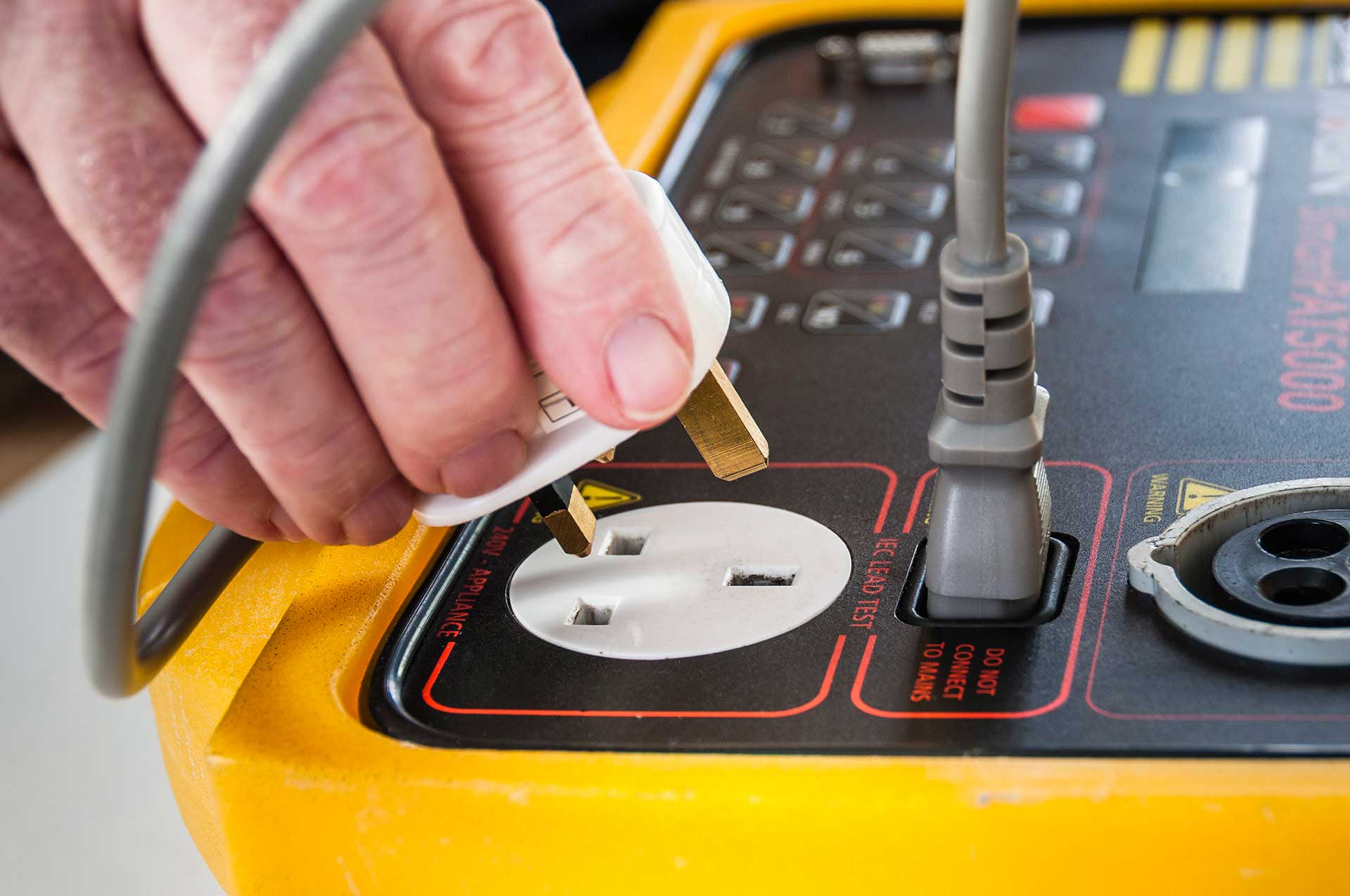
A manual examination of the equipment with a portable appliance tester device (the PAT test)
Any portable electrical appliance (anything with a lead and a plug) needs to be PAT tested. Some examples include laptops and computers, kettles, handheld drills, printers, microwaves etc.
Is PAT testing a legal requirement?
PAT testing is not a legal requirement. The law does state that any electrical equipment in the workplace must be maintained to ensure it is safe and doesn’t pose any risk to the people using it. It doesn’t, however, specify how the equipment should be maintained, or how often.
Generally, PAT testing involves three steps, user checks, a visual inspection and the manual PAT test using a portable appliance tester.
User checks
All users should be trained on how to use the equipment safely. This includes understanding the risks associated with the equipment and how to look out for signs of danger. Every individual should be able to visually check the appliance for any signs of damage and understand whether or not it is safe for use. They should also be able to highlight potential hazards such as trapped cables or water hazards.
Visual inspection
A formal visual inspection should be carried out by a competent member of staff or a professional (an electrical engineer). The HSE says that this process normally flags up 90% of issues with electrical equipment. The equipment should be switched off and unplugged before carrying out this stage of the inspection.
Check the plug for any signs of damage. This includes cracks, burns, or bent pins. When checking the wiring, you should ensure that the live, neutral and earth wires are all tightly connected.
Check the cable for any signs of damage. This could be cuts or fraying. Any exposed wiring is a fail.
Check the appliance itself for damages. This includes cracks, burns, corrosion or other signs of wear and tear.
Check the mains socket for damages. This doesn’t relate to the appliance itself, but it’s worth checking for cracks, signs of overheating and any loose fittings on the plug socket.
Residual current device (RCD) checks. The RCD’s test button will trip if the current flowing through the live conductor is different to that in the neutral.
Manual Examination
Once the visual inspection is complete, it’s time for the manual examination. This is the stage of the Electrical PAT Testing where the portable appliance tester device is introduced. This device will test the appliance for earth continuity, lead polarity and insulation resistance.
Depending on the results, the appliance will receive a pass or fail sticker. Failed appliances should not be used, and should be removed for disposal or repair. Once repaired, it must pass an additional PAT test to be considered safe for use.
Who can carry out a PAT test?
Electrical PAT testing can be carried out by any competent person with the relevant training and equipment. This will likely be a qualified electrician. Interested in learning how to perform PAT testing and other electrical procedures? You might want to consider completing an electrical course.Get in touch with The Skills Centre to learn more about becoming an electrical engineer, or read more about our courses on our website!
Gas Engineer Training: From Beginner to Professional
Becoming a qualified gas engineer requires structured training, practical experience and professional certification. Whether you're starting from scratch or looking to advance your existing skills, understanding the complete training pathway helps you make informed decisions about your career development.
Starting Your Gas Engineer Journey
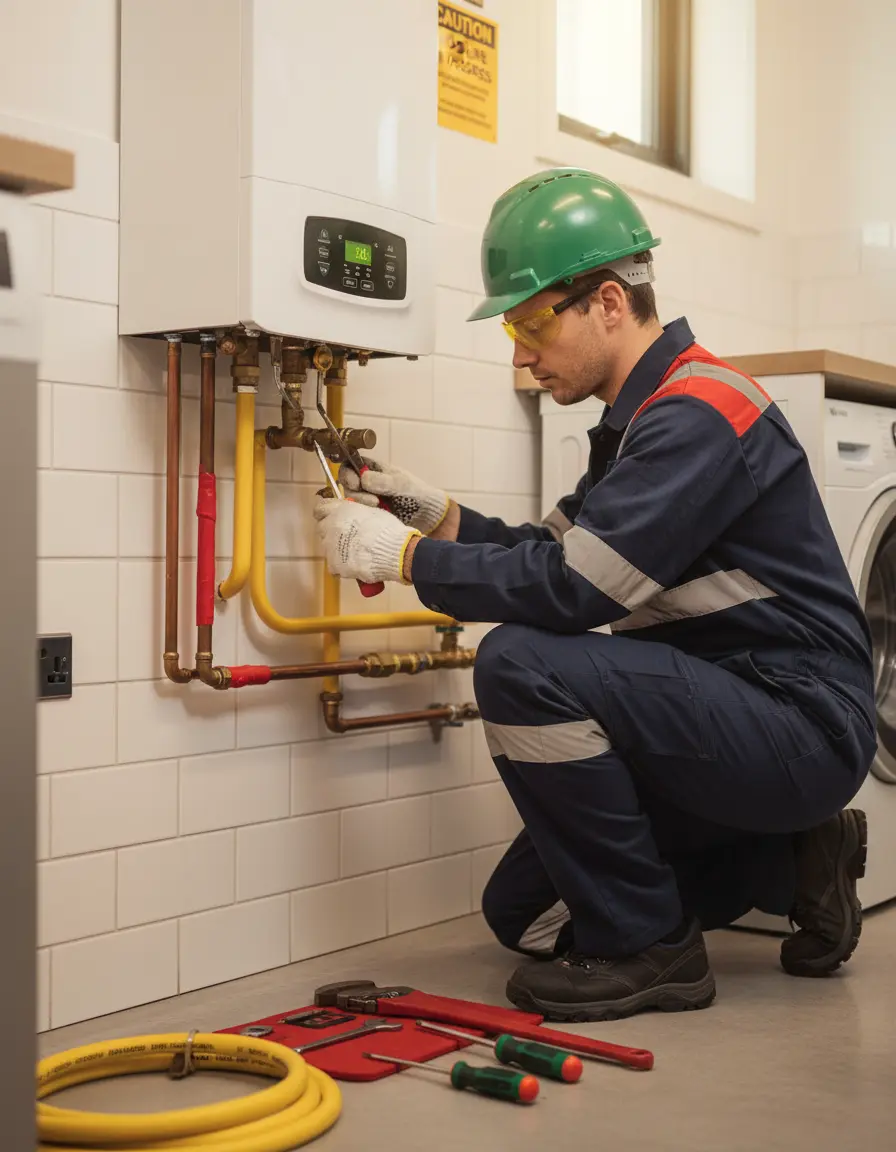
Gas engineer training begins with understanding the role and responsibilities. Gas engineers install, maintain and repair gas appliances, boilers and heating systems in residential and commercial properties. They work with natural gas, LPG and other gas systems whilst ensuring safety compliance and regulatory standards.
Before starting formal training, you'll need basic qualifications. Most training providers require GCSEs in English and Maths at grade C/4 or above. Some programmes accept equivalent qualifications or may offer assessment tests for those without formal qualifications.
Physical fitness matters in this profession. Gas engineers frequently work in confined spaces, carry heavy equipment and spend time kneeling or crawling. Good colour vision is essential for identifying different pipes and components safely.
Foundation Skills and Knowledge Required
Successful gas engineer training builds on several foundation areas. Mathematical skills help with calculations for gas flow rates, pressure measurements and system sizing. Basic understanding of physics principles, particularly relating to heat, pressure and combustion, supports technical learning.
Practical skills form another foundation element. Hand-eye coordination, attention to detail and problem-solving abilities are crucial. Many training programmes include assessments of these skills during the application process.
Communication skills matter significantly. Gas engineers regularly interact with customers, explain technical issues in simple terms and provide safety advice. Written communication skills help with completing certificates, reports and maintenance records accurately.
Training Progression Stages
Gas engineer training follows a structured progression through several key stages. Initial training covers fundamental gas safety principles, regulations and basic installation techniques. This foundation stage typically includes classroom learning combined with practical workshops.
The next stage focuses on specific appliance types and installation methods. Students learn about different boiler systems, gas fires, cookers and other appliances. Training covers both domestic and commercial applications, with separate pathways for different specialisations.
Advanced training stages cover complex systems, fault diagnosis and repair techniques. Students develop skills in system commissioning, performance testing and compliance certification. This stage often includes real-world scenarios and problem-solving exercises.
Assessment occurs throughout the training process. Written examinations test theoretical knowledge whilst practical assessments evaluate hands-on skills. Students must demonstrate competency in safety procedures, installation techniques and regulatory compliance before progressing.
Hands-On Experience Requirements
Practical experience forms a crucial component of comprehensive gas engineer training. Workshop sessions provide controlled environments for learning basic skills like pipe fitting, joint making and appliance connections. These sessions use industry-standard tools and equipment.
Simulated work environments help bridge the gap between workshop learning and real-world application. Training centres often feature mock domestic properties with various gas systems for realistic practice scenarios.
Work placement opportunities provide genuine industry experience. Many training programmes include arrangements with local employers for supervised practical work. These placements allow students to observe experienced engineers and gradually take on more responsibility.
Portfolio development tracks practical experience throughout training. Students document their work, including photographs and supervisor assessments. This portfolio becomes part of the qualification evidence and supports future employment applications.
Professional Development Opportunities
Once qualified, gas engineers can pursue various professional development paths. Additional certifications expand the range of work available. Commercial gas qualifications enable work on larger systems in business premises. Renewable energy training covers heat pumps and hybrid systems.
Specialisation opportunities include becoming a gas safety inspector, focusing on specific appliance types or developing expertise in particular sectors. Some engineers progress to supervisory roles or start their own businesses.
Continuous professional development maintains and updates skills. Gas safety regulations change periodically, and new technologies require ongoing learning. Many engineers attend regular update courses and industry seminars.
Membership of professional bodies supports career development. Organisations like the Gas Safe Register provide resources, networking opportunities and continuing education programmes for qualified engineers.
Building Your Gas Engineering Career
Career progression in gas engineering offers multiple pathways. Newly qualified engineers typically start in junior positions with established companies, gaining experience across different types of work. This experience builds confidence and develops specialised skills.
Employment opportunities exist across various sectors. Domestic gas engineers work primarily in homes, installing and maintaining household appliances. Commercial engineers focus on business premises with larger, more complex systems. Some engineers work for utility companies or specialise in industrial applications.
Self-employment becomes an option with sufficient experience and business skills. Many gas engineers eventually establish their own businesses, building customer bases and employing other engineers. This path requires additional skills in business management, marketing and customer service.
Earning potential increases with experience and qualifications. Specialised skills, emergency call-out work and commercial expertise typically command higher rates. Geographic location also influences earning potential, with some regions offering better opportunities.
Skills Centre UK provides comprehensive gas engineer training programmes designed to take students from beginner level through to professional qualification. Our structured approach combines theoretical learning with extensive practical experience, preparing students for successful careers in the gas engineering industry.
Frequently asked questions
How long does gas engineer training take?
Gas engineer training duration varies depending on the pathway chosen. Full-time courses typically take 6-12 months, whilst apprenticeships combine work and study over 2-4 years. Part-time courses may take longer but offer flexibility for those with other commitments.
What qualifications do I need to start gas engineer training?
Most gas engineer training programmes require GCSEs in English and Maths at grade C/4 or above. Some providers accept equivalent qualifications or offer assessment tests for applicants without formal qualifications.
Can I become a gas engineer without previous experience?
Yes, many gas engineer training programmes are designed for complete beginners. These courses start with foundation skills and gradually build up to professional competency through structured learning and practical experience.
What's the difference between gas engineer courses and apprenticeships?
Gas engineer courses provide intensive training in a shorter timeframe, whilst apprenticeships combine paid employment with structured learning over a longer period. Apprenticeships offer hands-on experience with real employers throughout the training process.
Do I need to be physically fit to become a gas engineer?
Gas engineering requires reasonable physical fitness as the work involves lifting equipment, working in confined spaces and spending time in uncomfortable positions. Good colour vision is also essential for safety reasons.