
Our guide to PAT Testing

Pat testing new

Did you know that you don’t have to be a qualified electrician in order to carry out PAT testing?

As long as you’re competent to do so, absolutely anyone can check electrical appliances for safety. The most commonly accepted way to be seen as competent is to take a PAT training course and be presented with a Certificate of Competency in PAT testing.

What is PAT Testing? 

Portable Appliance Testing, also known as PAT testing, is the examination of portable electrical equipment and appliances to ensure they are safe to use. It generally includes three steps; 

  1. Regular, informal checks by the electrical equipment’s user(s) 
  2. A formal visual inspection of the equipment 
  3. A manual examination of the equipment with a portable appliance tester device (the PAT test)

Any portable electrical appliance (anything with a lead and a plug) needs to be PAT tested. Some examples include laptops and computers, kettles, handheld drills, printers, microwaves etc.

Is PAT testing a legal requirement? 

PAT testing is not a legal requirement. The law does state that any electrical equipment in the workplace must be maintained to ensure it is safe and doesn’t pose any risk to the people using it. It doesn’t, however, specify how the equipment should be maintained, or how often. 

PAT testing is recommended by professionals as the best way to meet these health and safety obligations and to protect yourself and your employees. 

What does electrical PAT testing involve?

Generally, PAT testing involves three steps, user checks, a visual inspection and the manual PAT test using a portable appliance tester. 

User checks

All users should be trained on how to use the equipment safely. This includes understanding the risks associated with the equipment and how to look out for signs of danger. Every individual should be able to visually check the appliance for any signs of damage and understand whether or not it is safe for use. They should also be able to highlight potential hazards such as trapped cables or water hazards. 

Visual inspection 

A formal visual inspection should be carried out by a competent member of staff or a professional (an electrical engineer). The HSE says that this process normally flags up 90% of issues with electrical equipment. The equipment should be switched off and unplugged before carrying out this stage of the inspection. 

  • Check the plug for any signs of damage. This includes cracks, burns, or bent pins. When checking the wiring, you should ensure that the live, neutral and earth wires are all tightly connected. 
  • Check the cable for any signs of damage. This could be cuts or fraying. Any exposed wiring is a fail.
  • Check the appliance itself for damages. This includes cracks, burns, corrosion or other signs of wear and tear.
  • Check the mains socket for damages. This doesn’t relate to the appliance itself, but it’s worth checking for cracks, signs of overheating and any loose fittings on the plug socket. 
  • Residual current device (RCD) checks. The RCD’s test button will trip if the current flowing through the live conductor is different to that in the neutral. 

Manual Examination 

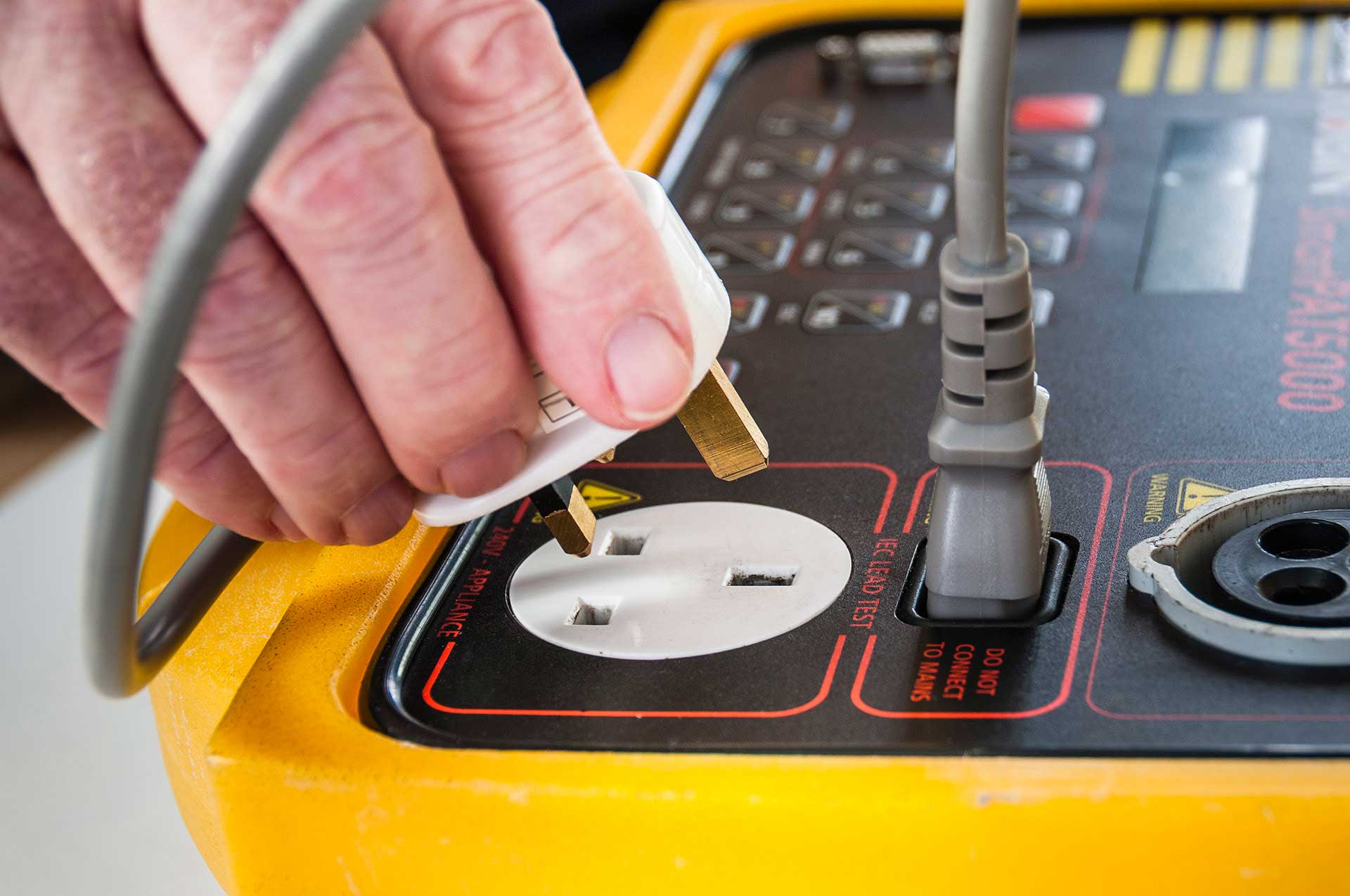
Once the visual inspection is complete, it’s time for the manual examination. This is the stage of the Electrical PAT Testing where the portable appliance tester device is introduced. This device will test the appliance for earth continuity, lead polarity and insulation resistance.

Depending on the results, the appliance will receive a pass or fail sticker. Failed appliances should not be used, and should be removed for disposal or repair. Once repaired, it must pass an additional PAT test to be considered safe for use. 

Who can carry out a PAT test? 

Electrical PAT testing can be carried out by any competent person with the relevant training and equipment. This will likely be a qualified electrician. Interested in learning how to perform PAT testing and other electrical procedures? You might want to consider completing an electrical course.Get in touch with The Skills Centre to learn more about becoming an electrical engineer, or read more about our courses on our website!
Post Info :
Share this :

Other posts you may like

How to Apply for a Gas Engineer Apprenticeship: Step by Step

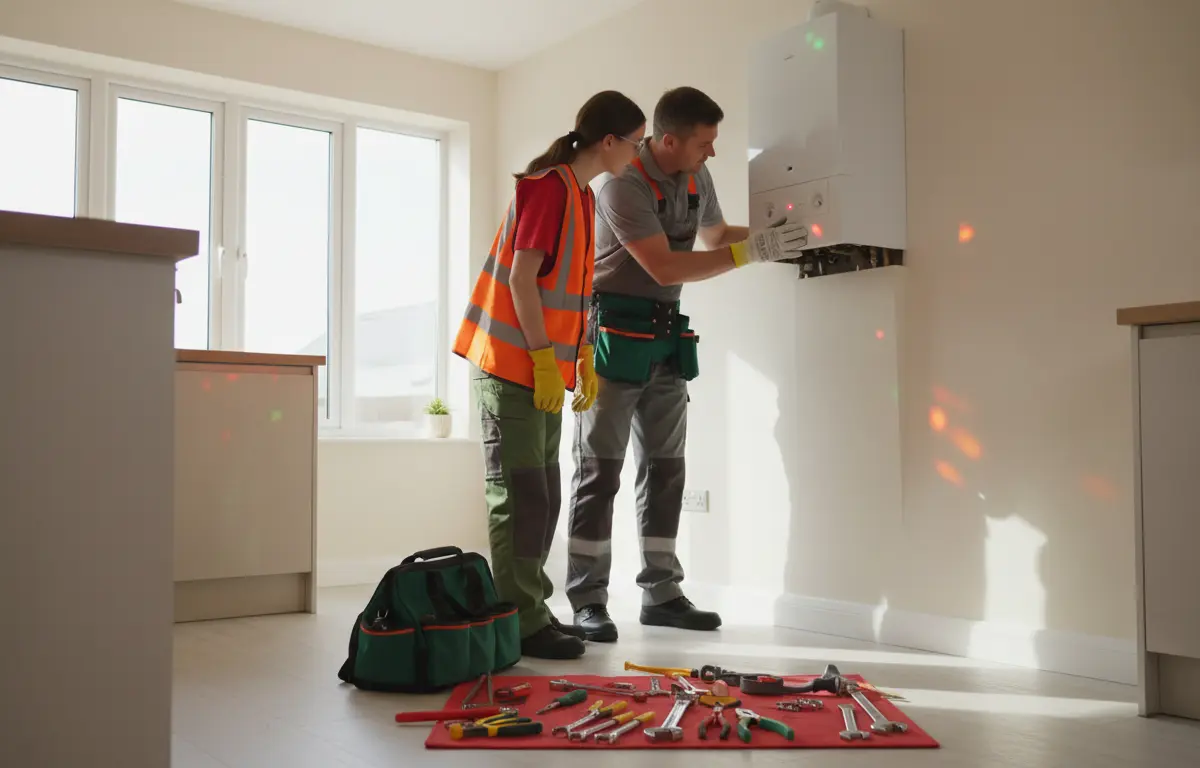
Apprentice learning from an experienced gas engineer servicing a boiler

Thinking about a career as a gas engineer but not sure how to get started? You are not alone. Whether you are leaving school or changing career, the application process for a gas engineer apprenticeship can look confusing at first. This guide breaks it into clear steps so you know what to do and in what order.

What a gas engineer apprenticeship involves

An apprenticeship lets you earn while you learn. You work alongside experienced engineers on real jobs and also follow a structured training programme that builds your knowledge and practical skills over time.

The aim is to prepare you to work safely and legally with gas appliances and systems. In Great Britain, anyone who works on gas must be on the Gas Safe Register, so safety and proper assessment sit at the heart of the training. Arrangements can differ across the UK nations, so check what applies where you live.

If you are still deciding between an apprenticeship and a classroom-based route, our guide to choosing between an apprenticeship or a course explains the main differences.

Step 1: Check you meet the entry requirements

Entry requirements vary between employers and training providers, so always check the details of each vacancy. In general, you can expect them to look at:

  • Your maths and English level, as gas work involves measurements, calculations and clear written records.
  • Your practical ability and willingness to learn.
  • Your reliability, since you will be working in people's homes and workplaces.
  • Whether you can travel between jobs. Some employers prefer a driving licence, so it is worth asking.

Age and eligibility rules, and how apprenticeships are funded, can depend on which part of the UK you live in and your circumstances. If you are not sure whether you qualify, ask the training provider before you spend time on an application. A quick conversation can save a lot of guesswork.

Step 2: Prepare your CV and application

A good CV for an apprenticeship does not need years of experience. Employers want to see that you are keen, dependable and ready to learn.

What to include

  • Contact details and a short personal statement. Two or three sentences on why you want to become a gas engineer.
  • Education and qualifications. List your school or college results, especially maths, English and any technical or science subjects.
  • Work experience. Part-time jobs, volunteering and work placements all count. Mention anything practical, such as DIY, mechanical work or helping on a building site.
  • Skills and interests. Problem solving, teamwork, good timekeeping and customer-facing experience are all useful in this trade.

Tips for career changers

If you are moving from another job, focus on transferable skills. Customer service, working independently, following safety procedures and managing your own time are all valuable. Be honest about why you want to change direction, and show you have thought about it.

Keep your CV to one or two pages, check your spelling, and use an email address that looks professional.

Step 3: Find an employer or placement

Most apprenticeships involve working for an employer, so this is often the stage that takes the most effort. There are a few ways to approach it:

  1. Search official apprenticeship vacancy services. Each UK nation has its own government-backed service for listing apprenticeships.
  2. Contact local heating and gas businesses directly. A polite email or phone call with your CV attached can stand out, even if they have not advertised a vacancy.
  3. Speak to training providers. They can explain how their apprenticeship works, what employers look for and what support is available.
  4. Tell people you know. Friends, family and former colleagues sometimes know someone who is looking for an apprentice.

Do not be discouraged if you do not hear back straight away. Apply to several opportunities and keep a note of who you have contacted.

If you want to explore training while you search, our article on finding plumbing courses near you and local gas engineer courses may help you compare options in your area.

Step 4: What to expect at interview

Interviews for apprenticeships are usually friendly and practical. The employer wants to know whether you will turn up on time, listen, learn and treat customers well.

Questions you might be asked

  • Why do you want to be a gas engineer?
  • What do you know about the job and the safety responsibilities that come with it?
  • Tell us about a time you worked as part of a team.
  • How would you handle a customer who was worried or upset?

How to prepare

Read about what gas engineers do day to day. Be ready to explain why safety matters so much in this trade. Think of a couple of examples that show you are reliable and hard working. Arrive early, dress smartly and bring a copy of your CV.

The interview is also your chance to ask questions. Employers like to see genuine curiosity.

Step 5: What happens after you are accepted

Once you receive an offer, you will normally be given details of your contract, working hours, pay and training schedule. Read everything carefully and ask if anything is unclear.

In the first few weeks, expect an induction covering health and safety, the tools and equipment you will use, and how your training and on-the-job learning will fit together. You will probably build a record of your work as you go, so good habits with paperwork help from day one.

It can feel like a lot at first. Remember that everyone starts somewhere, and you are there to learn.

To see how an apprenticeship fits into the wider journey, read Gas Engineer Training: From Beginner to Professional or our guide to Gas Safe Register training.

Step 6: Questions to ask before you sign up

Before you commit to an apprenticeship, it is sensible to ask:

  • How is the training delivered, and how much is on the job compared with study?
  • What qualifications will I work towards?
  • Who will support and supervise me day to day?
  • How long is the programme, and how will my progress be assessed?
  • What happens if I need extra help along the way?
  • What are the working hours, and will I need to travel?

Clear answers will help you feel confident that the apprenticeship is right for you.

Ready to take the next step?

Applying for a gas engineer apprenticeship takes some preparation, but it is very doable when you take it one step at a time. If you would like to talk through your options, get in touch with Skills Centre UK. We offer a gas engineer apprenticeship as well as gas engineer and plumbing courses, and we can help you work out which route suits your goals and circumstances.

Frequently asked questions

How do I apply for a gas engineer apprenticeship?

Check the entry requirements, prepare a clear CV, and then apply for vacancies through official apprenticeship services, local gas and heating businesses or training providers. If you are invited to interview, be ready to explain why you want the role and why safety matters.

Do I need experience to become a gas engineer apprentice?

Not usually. Employers tend to look for enthusiasm, reliability and a willingness to learn. Practical experience or transferable skills from other jobs can help, but you are there to be trained.

Can I do a gas engineer apprenticeship as a career changer?

Yes, if you meet the entry requirements and eligibility rules for the apprenticeship. Highlight transferable skills such as customer service, teamwork and following safety procedures in your application.

Do I need to find my own employer for an apprenticeship?

Many apprenticeships involve working for an employer, so you may need to apply for vacancies or approach businesses directly. A training provider can explain how this works for their programme.