
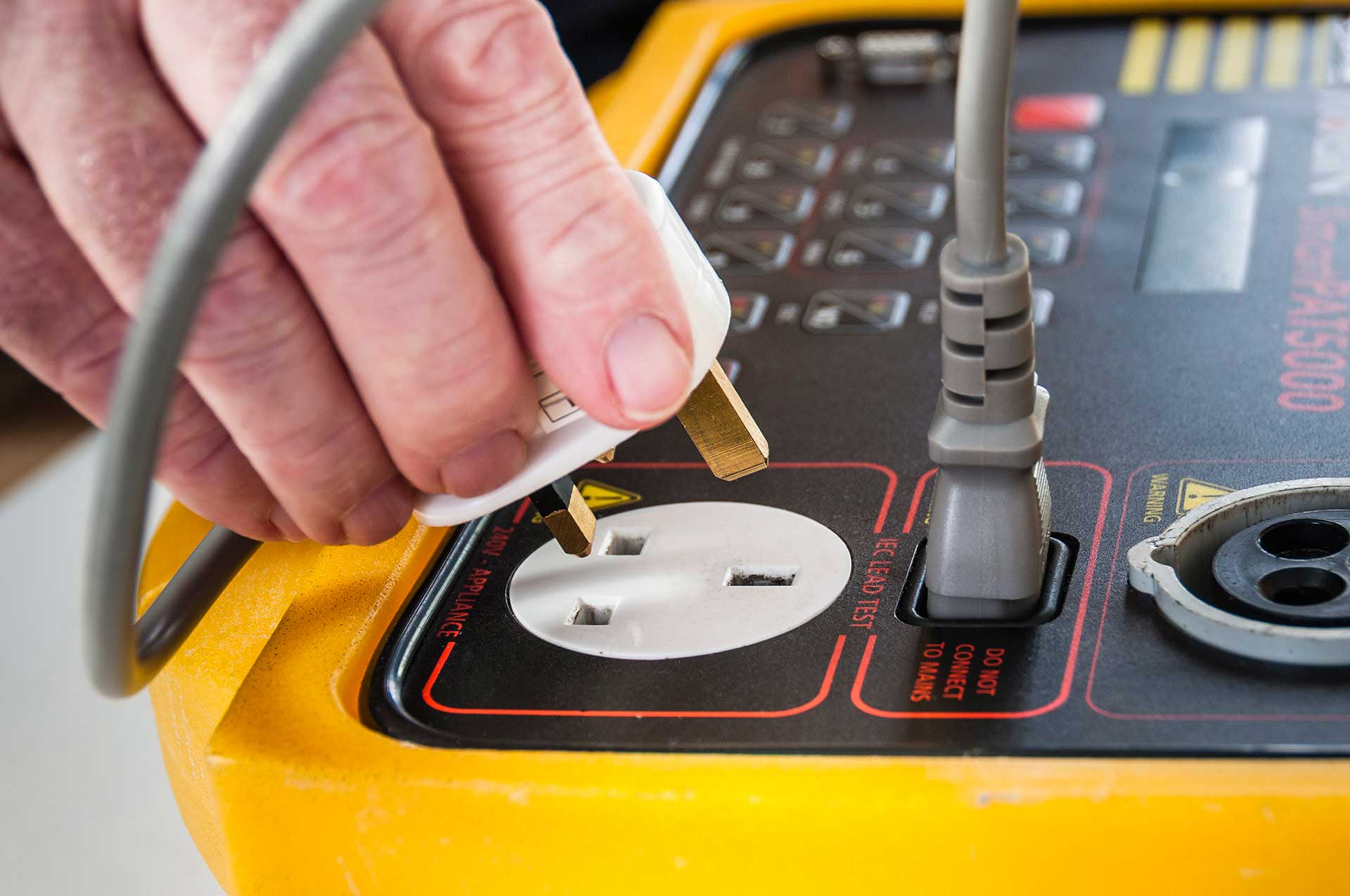
Our guide to PAT Testing

Pat testing new

Did you know that you don’t have to be a qualified electrician in order to carry out PAT testing?

As long as you’re competent to do so, absolutely anyone can check electrical appliances for safety. The most commonly accepted way to be seen as competent is to take a PAT training course and be presented with a Certificate of Competency in PAT testing.

What is PAT Testing? 

Portable Appliance Testing, also known as PAT testing, is the examination of portable electrical equipment and appliances to ensure they are safe to use. It generally includes three steps; 

  1. Regular, informal checks by the electrical equipment’s user(s) 
  2. A formal visual inspection of the equipment 
  3. A manual examination of the equipment with a portable appliance tester device (the PAT test)

Any portable electrical appliance (anything with a lead and a plug) needs to be PAT tested. Some examples include laptops and computers, kettles, handheld drills, printers, microwaves etc.

Is PAT testing a legal requirement? 

PAT testing is not a legal requirement. The law does state that any electrical equipment in the workplace must be maintained to ensure it is safe and doesn’t pose any risk to the people using it. It doesn’t, however, specify how the equipment should be maintained, or how often. 

PAT testing is recommended by professionals as the best way to meet these health and safety obligations and to protect yourself and your employees. 

What does electrical PAT testing involve?

Generally, PAT testing involves three steps, user checks, a visual inspection and the manual PAT test using a portable appliance tester. 

User checks

All users should be trained on how to use the equipment safely. This includes understanding the risks associated with the equipment and how to look out for signs of danger. Every individual should be able to visually check the appliance for any signs of damage and understand whether or not it is safe for use. They should also be able to highlight potential hazards such as trapped cables or water hazards. 

Visual inspection 

A formal visual inspection should be carried out by a competent member of staff or a professional (an electrical engineer). The HSE says that this process normally flags up 90% of issues with electrical equipment. The equipment should be switched off and unplugged before carrying out this stage of the inspection. 

  • Check the plug for any signs of damage. This includes cracks, burns, or bent pins. When checking the wiring, you should ensure that the live, neutral and earth wires are all tightly connected. 
  • Check the cable for any signs of damage. This could be cuts or fraying. Any exposed wiring is a fail.
  • Check the appliance itself for damages. This includes cracks, burns, corrosion or other signs of wear and tear.
  • Check the mains socket for damages. This doesn’t relate to the appliance itself, but it’s worth checking for cracks, signs of overheating and any loose fittings on the plug socket. 
  • Residual current device (RCD) checks. The RCD’s test button will trip if the current flowing through the live conductor is different to that in the neutral. 

Manual Examination 

Once the visual inspection is complete, it’s time for the manual examination. This is the stage of the Electrical PAT Testing where the portable appliance tester device is introduced. This device will test the appliance for earth continuity, lead polarity and insulation resistance.

Depending on the results, the appliance will receive a pass or fail sticker. Failed appliances should not be used, and should be removed for disposal or repair. Once repaired, it must pass an additional PAT test to be considered safe for use. 

Who can carry out a PAT test? 

Electrical PAT testing can be carried out by any competent person with the relevant training and equipment. This will likely be a qualified electrician. Interested in learning how to perform PAT testing and other electrical procedures? You might want to consider completing an electrical course.Get in touch with The Skills Centre to learn more about becoming an electrical engineer, or read more about our courses on our website!
Post Info :
Share this :

Other posts you may like

Gas Safe Register Course: Essential Training for Gas Engineers

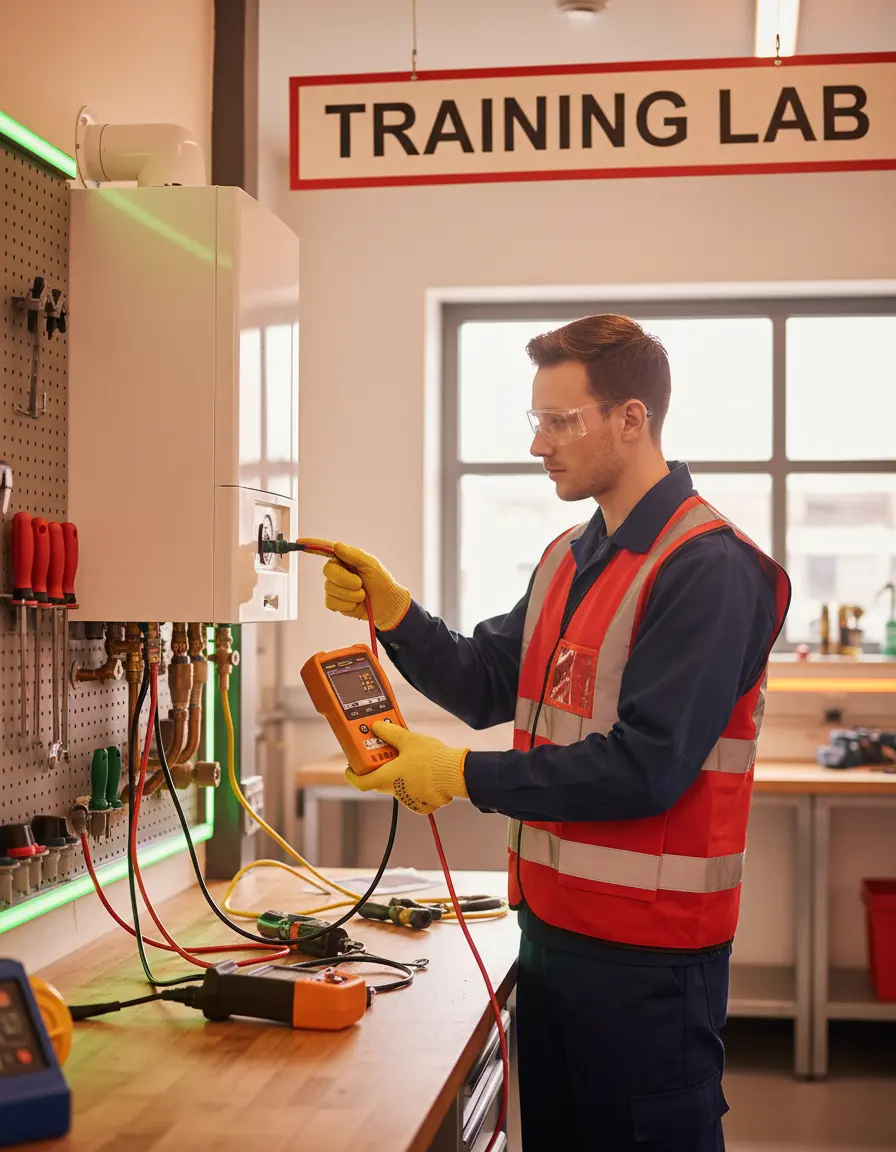
Gas engineer testing boiler with professional equipment

Working with gas appliances in the UK requires proper certification through the Gas Safe Register. This mandatory training ensures engineers have the skills and knowledge to work safely with gas installations, protecting both themselves and the public.

Legal Requirements for Gas Work

In the UK, it is illegal to carry out gas work without proper Gas Safe registration. The Gas Safety (Installation and Use) Regulations 1998 make it a criminal offence for anyone to work on gas appliances, fittings or flues unless they are competent and registered with Gas Safe Register.

Gas Safe Register is the official body responsible for gas safety in Great Britain. Engineers must hold relevant qualifications and demonstrate competence in specific types of gas work before they can register. Working without registration can result in prosecution, unlimited fines, and up to six months in prison.

Employers also have legal obligations. They cannot employ unregistered engineers to carry out gas work and must ensure their staff maintain current registration and competence.

Gas Safe Registration Process

The registration process begins with completing approved training courses that cover the specific types of gas work you intend to carry out. These courses must be delivered by approved training providers and include both theoretical knowledge and practical assessments.

After completing your training, you need to apply for Gas Safe registration. The application requires evidence of your qualifications, proof of relevant experience, and payment of registration fees. Gas Safe Register will verify your credentials before issuing your registration.

New registrants receive a Gas Safe ID card that lists the specific types of work they are qualified to perform. This card must be carried at all times when working with gas and shown to customers upon request.

Registration is not permanent. Engineers must renew their registration annually and provide evidence of continuing professional development to maintain their status.

Core Gas Safety Training Modules

Gas Safe training covers essential safety principles that apply to all gas work. The core modules include gas safety legislation, understanding gas properties and combustion principles, and recognising the signs of unsafe installations.

Trainees learn about gas leak detection using electronic leak detectors and soapy water solutions. The course covers proper ventilation requirements for different appliance types and the importance of adequate air supply for safe combustion.

Emergency procedures form a crucial part of the training. Engineers learn how to respond to gas leaks, carbon monoxide incidents, and other gas-related emergencies. This includes knowing when to isolate gas supplies and how to make installations safe.

The training also covers record keeping requirements. Gas Safe engineers must complete safety certificates for all work carried out and maintain accurate records of inspections and maintenance.

Appliance-Specific Qualifications

Different gas appliances require specific qualifications. Boiler installation and servicing qualifications cover central heating systems, combination boilers, and system boilers. These courses include hydraulics, controls, and fault diagnosis.

Cooker and hob qualifications focus on domestic cooking appliances, including built-in ovens, gas hobs, and range cookers. Training covers installation requirements, safety devices, and testing procedures.

Commercial catering equipment requires separate qualifications. These courses cover larger appliances used in restaurants, hotels, and other commercial premises, including different safety requirements and testing procedures.

LPG (liquefied petroleum gas) work requires additional training beyond natural gas qualifications. This covers the different properties of LPG, storage requirements, and specific safety considerations for portable and fixed LPG installations.

Warm air heating systems, gas fires, and water heaters each have their own qualification requirements. Engineers typically specialise in particular appliance types based on their intended work areas.

Maintaining Your Registration

Gas Safe registration requires annual renewal with evidence of continuing competence. Engineers must complete a minimum amount of continuing professional development (CPD) each year to maintain their registration.

CPD can include attending update courses, manufacturer training sessions, or industry seminars. The training must be relevant to the types of work covered by your registration and provided by approved organisations.

Gas Safe Register may conduct audits of registered engineers' work. These audits check that engineers are working safely and competently. Poor performance can result in additional training requirements or removal from the register.

Engineers must also notify Gas Safe Register of any changes to their employment status, contact details, or the types of work they carry out. Failure to maintain accurate records can affect registration status.

Career Benefits of Gas Safe Status

Gas Safe registration opens doors to employment opportunities across the heating and gas industry. Registered engineers can work for gas suppliers, heating companies, or as self-employed contractors.

The qualification provides job security in an essential industry. Gas appliances require regular servicing and maintenance, creating consistent demand for qualified engineers. Many engineers also find opportunities in new build construction and heating system installations.

Earning potential increases significantly with Gas Safe registration. Qualified gas engineers typically earn higher wages than general maintenance workers, with experienced engineers commanding premium rates for specialist work.

The training provides a foundation for career progression. Many engineers use their Gas Safe qualification as a stepping stone to supervisory roles, training positions, or starting their own businesses.

Gas Safe status also enables engineers to diversify their services. Many combine gas work with plumbing, heating system design, or renewable energy installations to create comprehensive service offerings.

Skills Centre UK offers comprehensive gas engineer training programmes designed to prepare students for Gas Safe registration. Our courses combine theoretical knowledge with hands-on practical experience, ensuring graduates have the skills needed for successful careers in the gas industry.

Frequently asked questions

How long does Gas Safe Register training take?

Training duration varies depending on the specific qualifications needed. Basic domestic gas courses typically take 2-4 weeks, while comprehensive programmes covering multiple appliance types can take several months.

Can I work with gas while training for Gas Safe registration?

No, you cannot work with gas until you have completed your training and obtained Gas Safe registration. All gas work must be carried out by registered engineers.

What happens if my Gas Safe registration expires?

If your registration expires, you cannot legally carry out gas work until you renew it. Renewal requires evidence of continuing professional development and payment of annual fees.

Do I need different qualifications for LPG and natural gas?

Yes, LPG requires separate qualifications from natural gas work. The different properties and safety requirements of LPG mean additional training is necessary.