
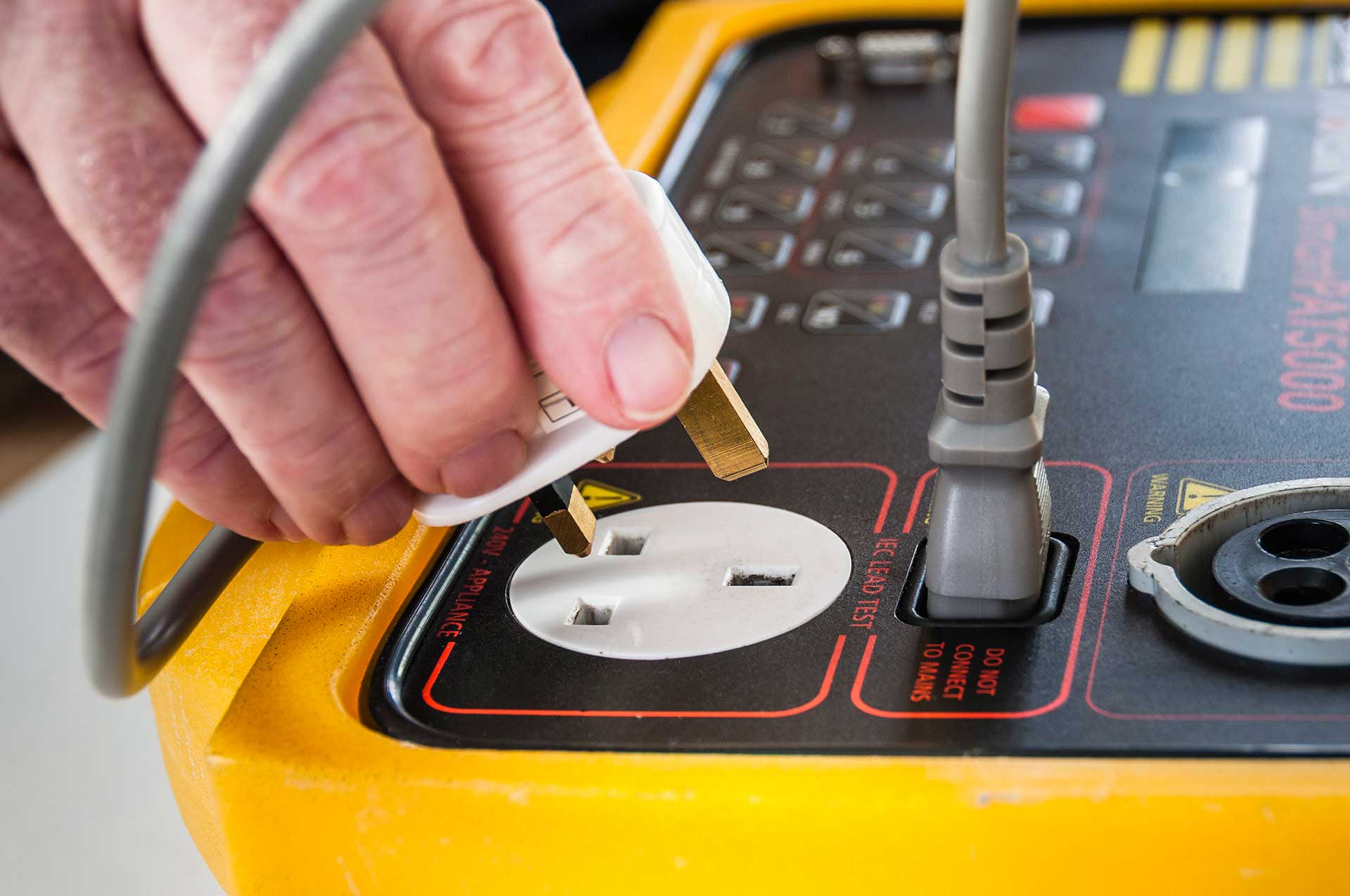
Our guide to PAT Testing

Pat testing new

Did you know that you don’t have to be a qualified electrician in order to carry out PAT testing?

As long as you’re competent to do so, absolutely anyone can check electrical appliances for safety. The most commonly accepted way to be seen as competent is to take a PAT training course and be presented with a Certificate of Competency in PAT testing.

What is PAT Testing? 

Portable Appliance Testing, also known as PAT testing, is the examination of portable electrical equipment and appliances to ensure they are safe to use. It generally includes three steps; 

  1. Regular, informal checks by the electrical equipment’s user(s) 
  2. A formal visual inspection of the equipment 
  3. A manual examination of the equipment with a portable appliance tester device (the PAT test)

Any portable electrical appliance (anything with a lead and a plug) needs to be PAT tested. Some examples include laptops and computers, kettles, handheld drills, printers, microwaves etc.

Is PAT testing a legal requirement? 

PAT testing is not a legal requirement. The law does state that any electrical equipment in the workplace must be maintained to ensure it is safe and doesn’t pose any risk to the people using it. It doesn’t, however, specify how the equipment should be maintained, or how often. 

PAT testing is recommended by professionals as the best way to meet these health and safety obligations and to protect yourself and your employees. 

What does electrical PAT testing involve?

Generally, PAT testing involves three steps, user checks, a visual inspection and the manual PAT test using a portable appliance tester. 

User checks

All users should be trained on how to use the equipment safely. This includes understanding the risks associated with the equipment and how to look out for signs of danger. Every individual should be able to visually check the appliance for any signs of damage and understand whether or not it is safe for use. They should also be able to highlight potential hazards such as trapped cables or water hazards. 

Visual inspection 

A formal visual inspection should be carried out by a competent member of staff or a professional (an electrical engineer). The HSE says that this process normally flags up 90% of issues with electrical equipment. The equipment should be switched off and unplugged before carrying out this stage of the inspection. 

  • Check the plug for any signs of damage. This includes cracks, burns, or bent pins. When checking the wiring, you should ensure that the live, neutral and earth wires are all tightly connected. 
  • Check the cable for any signs of damage. This could be cuts or fraying. Any exposed wiring is a fail.
  • Check the appliance itself for damages. This includes cracks, burns, corrosion or other signs of wear and tear.
  • Check the mains socket for damages. This doesn’t relate to the appliance itself, but it’s worth checking for cracks, signs of overheating and any loose fittings on the plug socket. 
  • Residual current device (RCD) checks. The RCD’s test button will trip if the current flowing through the live conductor is different to that in the neutral. 

Manual Examination 

Once the visual inspection is complete, it’s time for the manual examination. This is the stage of the Electrical PAT Testing where the portable appliance tester device is introduced. This device will test the appliance for earth continuity, lead polarity and insulation resistance.

Depending on the results, the appliance will receive a pass or fail sticker. Failed appliances should not be used, and should be removed for disposal or repair. Once repaired, it must pass an additional PAT test to be considered safe for use. 

Who can carry out a PAT test? 

Electrical PAT testing can be carried out by any competent person with the relevant training and equipment. This will likely be a qualified electrician. Interested in learning how to perform PAT testing and other electrical procedures? You might want to consider completing an electrical course.Get in touch with The Skills Centre to learn more about becoming an electrical engineer, or read more about our courses on our website!
Post Info :
Share this :

Other posts you may like

Gas Engineer Course Options: Fast-Track Your Career Change

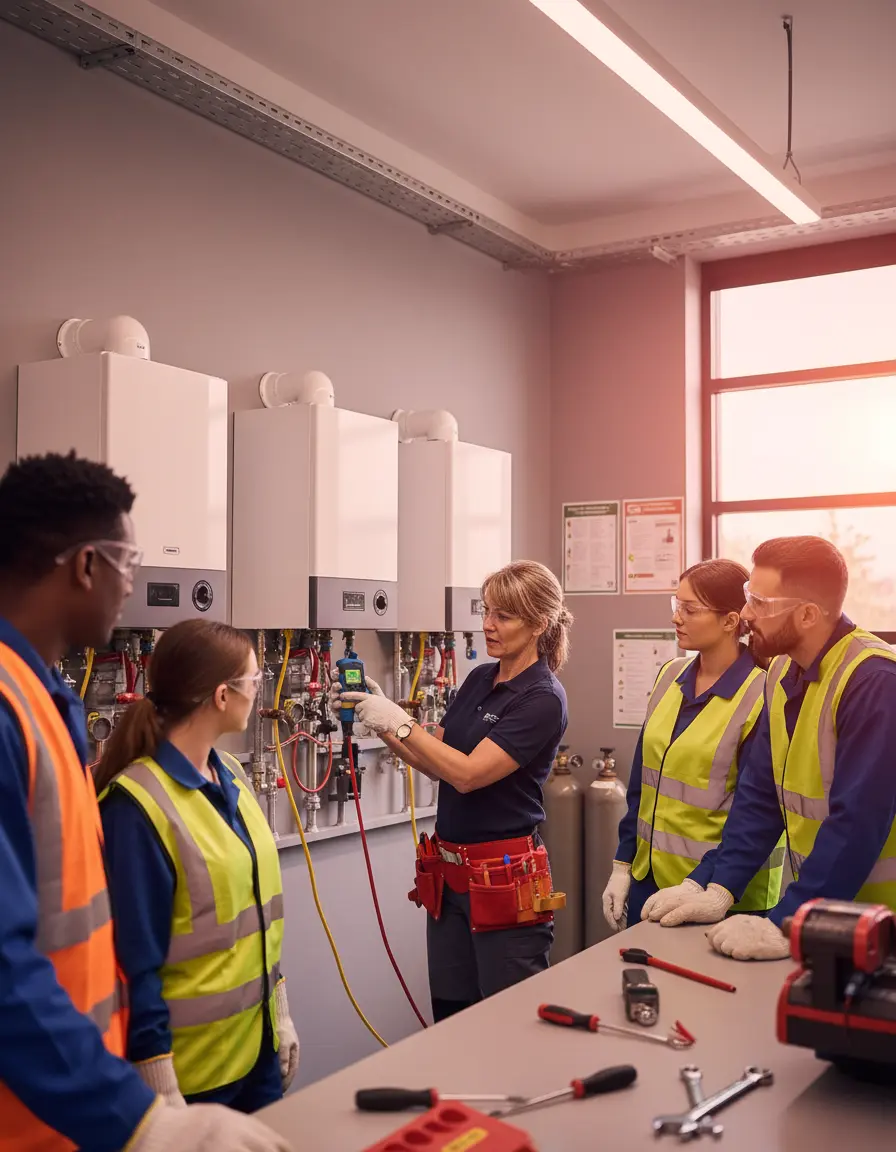
Adult students learning gas engineering skills in professional training workshop

Changing careers to become a gas engineer offers excellent job security and earning potential. Modern gas engineer courses are designed specifically for adult learners who want to enter this essential trade quickly and efficiently.

Intensive Gas Engineer Training Programmes

Intensive gas engineer courses compress traditional apprenticeship learning into focused training periods. These programmes typically run for several weeks or months rather than years, making them ideal for career changers who cannot commit to lengthy apprenticeships.

Most intensive courses combine theoretical knowledge with hands-on practical experience. You'll learn about gas appliances, safety procedures, and installation techniques in purpose-built training facilities that replicate real working environments.

The structure varies between providers, but many offer full-time programmes that run Monday to Friday. Part-time options are also available for those who need to maintain existing employment during training.

Course Content and Practical Skills

A comprehensive gas engineer course covers domestic gas appliances, including boilers, cookers, fires, and water heaters. You'll learn to install, service, and repair these systems safely and efficiently.

Core subjects include gas safety regulations, combustion principles, and flue systems. The curriculum also covers pipework installation, leak detection, and emergency procedures. Understanding building regulations and health and safety requirements forms a crucial part of the training.

Practical skills development takes place in workshops equipped with industry-standard tools and equipment. You'll practice on real appliances under expert supervision, building confidence before working independently.

Many courses also include business skills modules, covering topics like customer service, pricing work, and running a gas engineering business. These elements are particularly valuable for those planning to work as self-employed contractors.

Assessment Methods and Examinations

Gas engineer courses use various assessment methods to ensure you meet industry standards. Written examinations test your theoretical knowledge of gas safety, regulations, and technical principles.

Practical assessments evaluate your ability to work safely and competently with gas appliances. These hands-on tests typically involve installing, commissioning, or servicing equipment under examination conditions.

Portfolio work demonstrates your understanding through written assignments and case studies. This evidence shows you can apply theoretical knowledge to real-world situations.

Continuous assessment throughout the course helps identify areas needing additional support. Regular feedback ensures you progress steadily towards qualification.

Gas Safe Registration Requirements

Completing a gas engineer course is the first step towards Gas Safe registration, which is legally required to work with gas in the UK. The course provides the foundational knowledge and skills needed for registration.

After completing your training, you'll need to apply for Gas Safe registration through an approved assessment company. This involves demonstrating competence in specific gas work categories through practical assessments.

The registration process includes background checks and verification of your qualifications. Once registered, you'll receive a Gas Safe ID card that allows you to work legally on gas installations and appliances.

Registration must be renewed annually, and you'll need to maintain your skills through ongoing professional development. Many training providers offer refresher courses and updates on new regulations.

Job Prospects and Earning Potential

Qualified gas engineers enjoy strong job prospects across the UK. The demand for heating system installations, servicing, and repairs remains consistently high, particularly during autumn and winter months.

Employment opportunities exist with heating companies, property maintenance firms, and housing associations. Many gas engineers choose self-employment, offering services directly to homeowners and businesses.

Earning potential varies by location and experience level. Newly qualified engineers typically start with employed positions to gain experience before potentially moving to self-employment for higher earnings.

Specialising in particular areas, such as commercial gas work or renewable heating systems, can increase earning potential. Additional qualifications in related trades like plumbing also expand job opportunities.

Funding Options Available

Several funding options can help with course costs. Some training providers offer payment plans that spread costs over several months, making training more accessible.

Career development loans provide funding for vocational training, including gas engineering courses. These government-backed loans offer competitive interest rates and flexible repayment terms.

If you're unemployed, Jobcentre Plus may fund training through various schemes. Speak to your work coach about available options in your area.

Some employers offer training funding for career development, particularly if gas engineering skills would benefit your current role. It's worth discussing possibilities with your employer's HR department.

Tax relief may be available on training costs if you're self-employed or the training relates to your current employment. Keep all receipts and consult a tax advisor for specific guidance.

Veterans may access additional funding through military resettlement programmes. These schemes recognise the value of transferable skills from military service.

Choosing the right gas engineer course depends on your current circumstances, learning preferences, and career goals. Consider factors like course duration, location, and support services when making your decision. With proper training and dedication, you can successfully transition into this rewarding and stable career.

Frequently asked questions

How long does a gas engineer course take to complete?

Intensive gas engineer courses typically take several weeks to a few months to complete, depending on whether you study full-time or part-time. This is much faster than traditional apprenticeships which can take several years.

Do I need previous experience to start a gas engineer course?

No previous experience is required for most gas engineer courses. They are designed for complete beginners and career changers, starting with basic principles before progressing to advanced skills.

Can I work as a gas engineer immediately after completing the course?

You'll need to obtain Gas Safe registration after completing your course before you can work legally with gas. The course provides the foundation, but registration requires additional practical assessments.

Are there part-time gas engineer courses available?

Yes, many training providers offer part-time gas engineer courses for those who need to maintain existing employment while training. These courses typically take longer to complete than full-time options.