Did you know that you don’t have to be a qualified electrician in order to carry out PAT testing?
As long as you’re competent to do so, absolutely anyone can check electrical appliances for safety. The most commonly accepted way to be seen as competent is to take a PAT training course and be presented with a Certificate of Competency in PAT testing.
What is PAT Testing?
Portable Appliance Testing, also known as PAT testing, is the examination of portable electrical equipment and appliances to ensure they are safe to use. It generally includes three steps;
Regular, informal checks by the electrical equipment’s user(s)
A formal visual inspection of the equipment
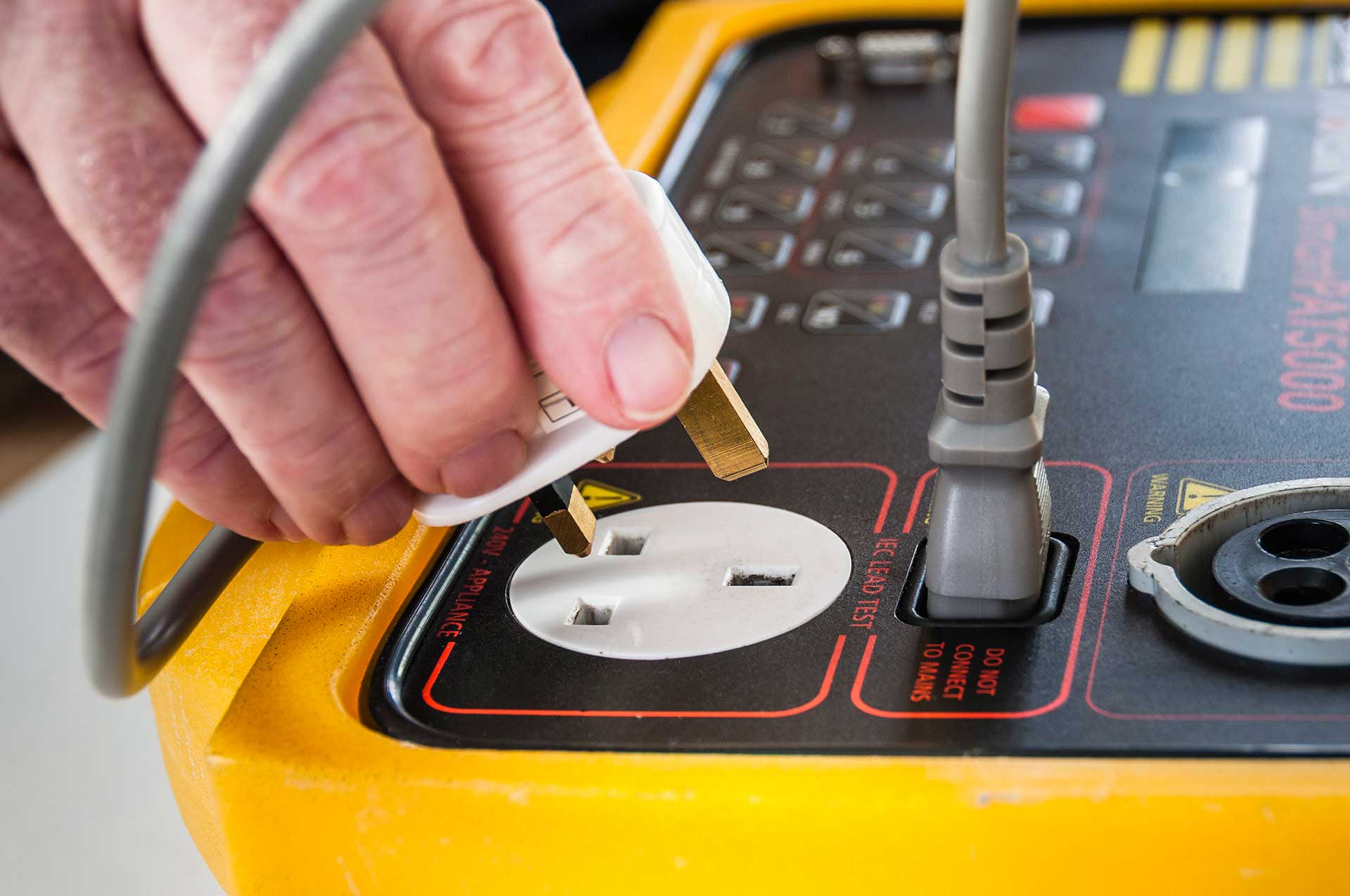
A manual examination of the equipment with a portable appliance tester device (the PAT test)
Any portable electrical appliance (anything with a lead and a plug) needs to be PAT tested. Some examples include laptops and computers, kettles, handheld drills, printers, microwaves etc.
Is PAT testing a legal requirement?
PAT testing is not a legal requirement. The law does state that any electrical equipment in the workplace must be maintained to ensure it is safe and doesn’t pose any risk to the people using it. It doesn’t, however, specify how the equipment should be maintained, or how often.
Generally, PAT testing involves three steps, user checks, a visual inspection and the manual PAT test using a portable appliance tester.
User checks
All users should be trained on how to use the equipment safely. This includes understanding the risks associated with the equipment and how to look out for signs of danger. Every individual should be able to visually check the appliance for any signs of damage and understand whether or not it is safe for use. They should also be able to highlight potential hazards such as trapped cables or water hazards.
Visual inspection
A formal visual inspection should be carried out by a competent member of staff or a professional (an electrical engineer). The HSE says that this process normally flags up 90% of issues with electrical equipment. The equipment should be switched off and unplugged before carrying out this stage of the inspection.
Check the plug for any signs of damage. This includes cracks, burns, or bent pins. When checking the wiring, you should ensure that the live, neutral and earth wires are all tightly connected.
Check the cable for any signs of damage. This could be cuts or fraying. Any exposed wiring is a fail.
Check the appliance itself for damages. This includes cracks, burns, corrosion or other signs of wear and tear.
Check the mains socket for damages. This doesn’t relate to the appliance itself, but it’s worth checking for cracks, signs of overheating and any loose fittings on the plug socket.
Residual current device (RCD) checks. The RCD’s test button will trip if the current flowing through the live conductor is different to that in the neutral.
Manual Examination
Once the visual inspection is complete, it’s time for the manual examination. This is the stage of the Electrical PAT Testing where the portable appliance tester device is introduced. This device will test the appliance for earth continuity, lead polarity and insulation resistance.
Depending on the results, the appliance will receive a pass or fail sticker. Failed appliances should not be used, and should be removed for disposal or repair. Once repaired, it must pass an additional PAT test to be considered safe for use.
Who can carry out a PAT test?
Electrical PAT testing can be carried out by any competent person with the relevant training and equipment. This will likely be a qualified electrician. Interested in learning how to perform PAT testing and other electrical procedures? You might want to consider completing an electrical course.Get in touch with The Skills Centre to learn more about becoming an electrical engineer, or read more about our courses on our website!
Gas Engineer Apprenticeship: Your Route to a Skilled Trade Career
A gas engineer apprenticeship offers an excellent pathway into a stable, well-paid career whilst earning money from day one. This practical route combines hands-on work experience with structured learning, making it ideal for school leavers and career changers who prefer learning by doing rather than sitting in a classroom full-time.
What Is a Gas Engineer Apprenticeship
A gas engineer apprenticeship is a structured training programme that combines paid employment with formal education. You work for an employer whilst attending college or training sessions, typically one day per week or in block release periods.
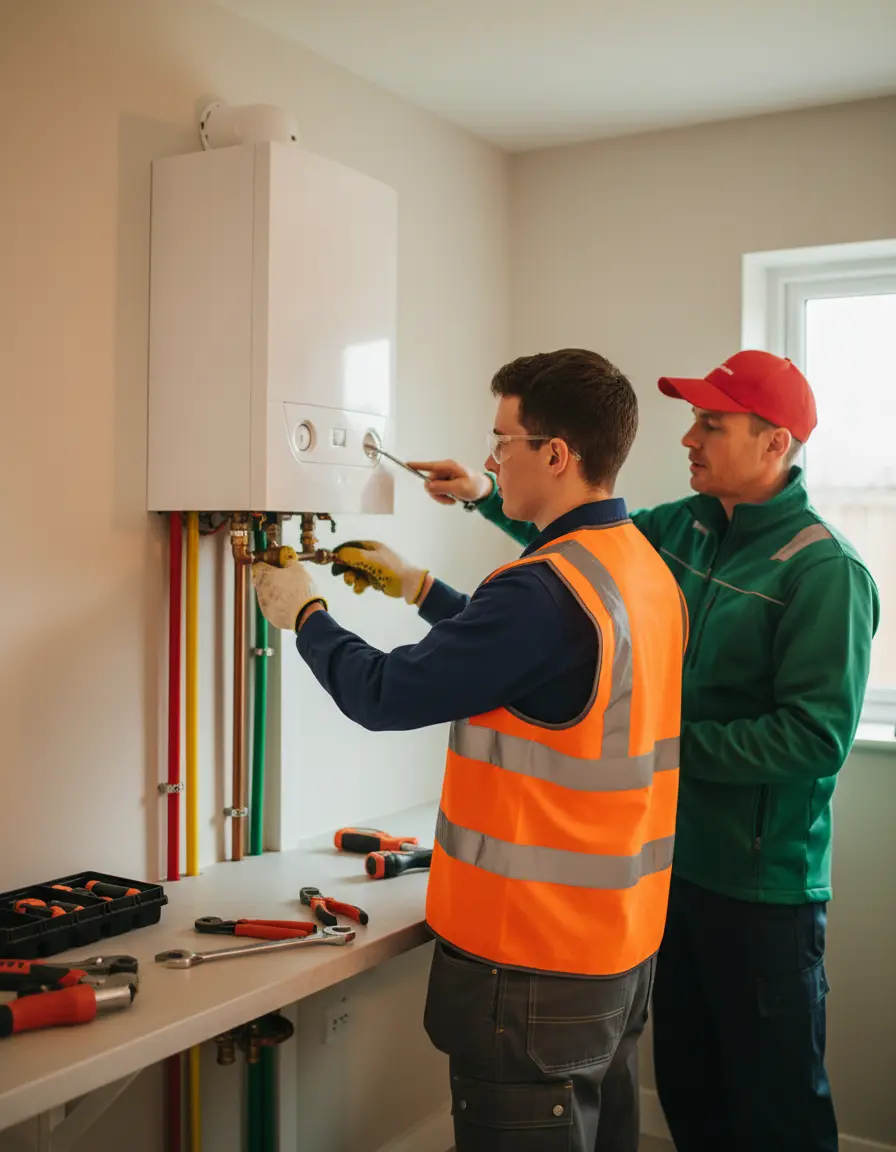
During your apprenticeship, you'll learn to install, maintain and repair gas appliances including boilers, cookers, fires and heating systems. The programme covers both domestic and commercial gas work, depending on your chosen specialisation.
Apprenticeship programmes typically last between 18 months and 4 years, with most gas engineering apprenticeships taking 2-3 years to complete. You'll work towards nationally recognised qualifications whilst gaining real-world experience under the supervision of qualified engineers.
The apprenticeship route is particularly valuable in gas engineering because it provides the practical experience required for Gas Safe registration, which is mandatory for anyone working with gas appliances in the UK.
Entry Requirements and Application Process
Most gas engineer apprenticeships require GCSEs in English and Maths at grade 4 (C) or above. Some employers may accept functional skills qualifications as an alternative. You don't typically need A-levels or previous experience in the trade.
Age requirements vary by employer, but most apprenticeships are open to anyone aged 16 and over. There's no upper age limit, making this route suitable for career changers at any stage of life.
The application process usually involves:
Submitting an online application form
Attending an interview with the employer
Completing basic skills assessments
Passing a medical examination (due to the physical nature of the work)
Undergoing background checks
Many employers recruit apprentices throughout the year, though some have specific intake periods. It's worth applying to multiple employers to increase your chances of securing a position.
Competition can be strong for apprenticeship places, so demonstrating genuine interest in the trade and showing reliability, problem-solving skills and good communication abilities will help your application stand out.
Training Structure and Timeline
Gas engineer apprenticeships follow a structured learning programme that balances workplace experience with formal education. Most programmes use a day-release system where you attend college one day per week, spending the remaining four days working with your employer.
Some apprenticeships use block release instead, where you attend training for several weeks at a time before returning to work. This intensive approach can be more efficient for covering complex technical topics.
Your training will cover:
Gas safety regulations and procedures
Installation techniques for various gas appliances
Fault diagnosis and repair methods
Customer service skills
Health and safety requirements
Business skills and regulations
The timeline typically breaks down as follows:
Months 1-6: Basic safety training, tool familiarisation and simple maintenance tasks under close supervision.
Months 7-18: More complex installations and repairs, with increasing independence as your skills develop.
Months 19-24: Advanced techniques, specialisation areas and preparation for final assessments.
Throughout your apprenticeship, you'll build a portfolio of evidence demonstrating your competence across different areas of gas engineering work.
Salary During Your Apprenticeship
Apprentice minimum wage rates apply for the first year of your apprenticeship, or until you turn 19 (whichever is longer). After this period, you'll receive at least the standard minimum wage for your age group.
Many employers pay above the minimum rates, particularly as you progress and become more valuable to the business. Your salary typically increases as you develop skills and take on more responsibility.
Salary progression during a typical apprenticeship might look like:
Year 1: Apprentice minimum wage
Year 2: Standard minimum wage or above
Year 3: Competitive rate reflecting your developing skills
Some employers offer additional benefits such as van provision, fuel allowances, pension contributions and health insurance. These benefits can significantly increase the overall value of your apprenticeship package.
Remember that whilst apprentice wages start lower than qualified engineer salaries, you're gaining valuable qualifications and experience that will lead to much higher earnings once qualified.
Qualifications and Certifications Gained
A gas engineer apprenticeship leads to several important qualifications and certifications that are essential for working in the industry.
The main qualification is typically a Level 3 Diploma in Gas Engineering, which covers both the technical knowledge and practical skills required for the role. This qualification is recognised across the UK and provides the foundation for Gas Safe registration.
You'll also gain:
Gas Safe registration in relevant categories (CCN1, CENWAT, CKR1, etc.)
City & Guilds or equivalent technical certificates
Health and safety certifications
Customer service qualifications
Functional skills in English and Maths (if not already held)
Gas Safe registration is the most crucial certification, as it's legally required to work with gas appliances. Your apprenticeship training ensures you meet all the competency requirements for registration.
Many apprentices also gain additional certifications in specialised areas such as:
Renewable energy systems
Commercial gas work
Specific manufacturer training
Advanced diagnostic techniques
These additional qualifications can enhance your career prospects and earning potential once qualified.
Career Progression After Completion
Completing a gas engineer apprenticeship opens doors to numerous career opportunities. Most apprentices are offered permanent employment with their training employer, often with immediate salary increases reflecting their new qualified status.
Qualified gas engineers can expect starting salaries significantly higher than apprentice wages, with experienced engineers earning substantial incomes. Career progression options include:
Self-Employment: Many gas engineers establish their own businesses, offering flexibility and potentially higher earnings.
Specialisation: Focus on specific areas such as commercial installations, renewable energy systems or complex heating systems.
Management Roles: Progress to supervisory or management positions within larger companies.
Training and Assessment: Become an instructor or assessor, helping train the next generation of gas engineers.
Further Qualifications: Pursue additional certifications in related trades such as plumbing, electrical work or renewable energy systems.
The skills gained during your apprenticeship also transfer to related careers in facilities management, building services engineering or technical sales roles within the heating and gas industry.
Continuous professional development is important in gas engineering due to evolving regulations and new technologies. Most qualified engineers regularly update their skills through additional training courses.
If you're considering a gas engineer apprenticeship, Skills Centre UK offers comprehensive training programmes designed to support your journey from beginner to qualified professional. Our experienced instructors and industry connections help ensure you're well-prepared for a successful career in gas engineering.
Frequently asked questions
How long does a gas engineer apprenticeship take?
Most gas engineer apprenticeships take 2-3 years to complete, though they can range from 18 months to 4 years depending on the specific programme and your prior experience.
What qualifications do I need to start a gas engineer apprenticeship?
You typically need GCSEs in English and Maths at grade 4 (C) or above. Some employers accept functional skills qualifications as an alternative. No previous trade experience is required.
How much do gas engineer apprentices earn?
Apprentices receive the apprentice minimum wage for their first year or until age 19, then standard minimum wage or above. Many employers pay higher rates, with salaries increasing as you progress through the programme.
Will I be qualified to work independently after my apprenticeship?
Yes, completing your apprenticeship leads to Gas Safe registration and a Level 3 Diploma, qualifying you to work independently as a gas engineer across the UK.
Can I do a gas engineer apprenticeship as an adult career changer?
Absolutely. There's no upper age limit for apprenticeships, making them suitable for career changers at any stage of life who want to retrain in a skilled trade.