
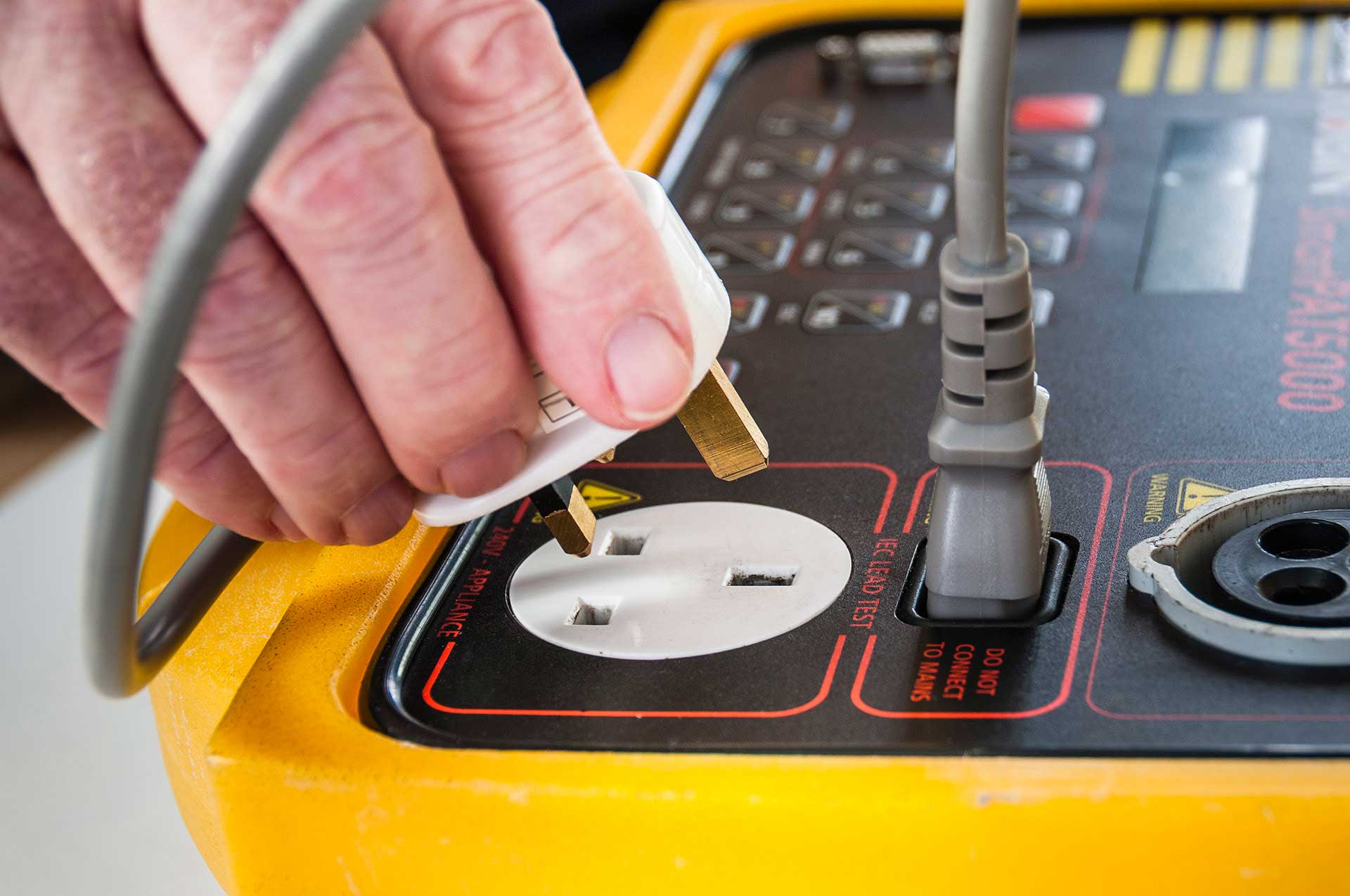
Our guide to PAT Testing

Pat testing new

Did you know that you don’t have to be a qualified electrician in order to carry out PAT testing?

As long as you’re competent to do so, absolutely anyone can check electrical appliances for safety. The most commonly accepted way to be seen as competent is to take a PAT training course and be presented with a Certificate of Competency in PAT testing.

What is PAT Testing? 

Portable Appliance Testing, also known as PAT testing, is the examination of portable electrical equipment and appliances to ensure they are safe to use. It generally includes three steps; 

  1. Regular, informal checks by the electrical equipment’s user(s) 
  2. A formal visual inspection of the equipment 
  3. A manual examination of the equipment with a portable appliance tester device (the PAT test)

Any portable electrical appliance (anything with a lead and a plug) needs to be PAT tested. Some examples include laptops and computers, kettles, handheld drills, printers, microwaves etc.

Is PAT testing a legal requirement? 

PAT testing is not a legal requirement. The law does state that any electrical equipment in the workplace must be maintained to ensure it is safe and doesn’t pose any risk to the people using it. It doesn’t, however, specify how the equipment should be maintained, or how often. 

PAT testing is recommended by professionals as the best way to meet these health and safety obligations and to protect yourself and your employees. 

What does electrical PAT testing involve?

Generally, PAT testing involves three steps, user checks, a visual inspection and the manual PAT test using a portable appliance tester. 

User checks

All users should be trained on how to use the equipment safely. This includes understanding the risks associated with the equipment and how to look out for signs of danger. Every individual should be able to visually check the appliance for any signs of damage and understand whether or not it is safe for use. They should also be able to highlight potential hazards such as trapped cables or water hazards. 

Visual inspection 

A formal visual inspection should be carried out by a competent member of staff or a professional (an electrical engineer). The HSE says that this process normally flags up 90% of issues with electrical equipment. The equipment should be switched off and unplugged before carrying out this stage of the inspection. 

  • Check the plug for any signs of damage. This includes cracks, burns, or bent pins. When checking the wiring, you should ensure that the live, neutral and earth wires are all tightly connected. 
  • Check the cable for any signs of damage. This could be cuts or fraying. Any exposed wiring is a fail.
  • Check the appliance itself for damages. This includes cracks, burns, corrosion or other signs of wear and tear.
  • Check the mains socket for damages. This doesn’t relate to the appliance itself, but it’s worth checking for cracks, signs of overheating and any loose fittings on the plug socket. 
  • Residual current device (RCD) checks. The RCD’s test button will trip if the current flowing through the live conductor is different to that in the neutral. 

Manual Examination 

Once the visual inspection is complete, it’s time for the manual examination. This is the stage of the Electrical PAT Testing where the portable appliance tester device is introduced. This device will test the appliance for earth continuity, lead polarity and insulation resistance.

Depending on the results, the appliance will receive a pass or fail sticker. Failed appliances should not be used, and should be removed for disposal or repair. Once repaired, it must pass an additional PAT test to be considered safe for use. 

Who can carry out a PAT test? 

Electrical PAT testing can be carried out by any competent person with the relevant training and equipment. This will likely be a qualified electrician. Interested in learning how to perform PAT testing and other electrical procedures? You might want to consider completing an electrical course.Get in touch with The Skills Centre to learn more about becoming an electrical engineer, or read more about our courses on our website!
Post Info :
Share this :

Other posts you may like

Can You Keep Working While You Train as a Gas Engineer?

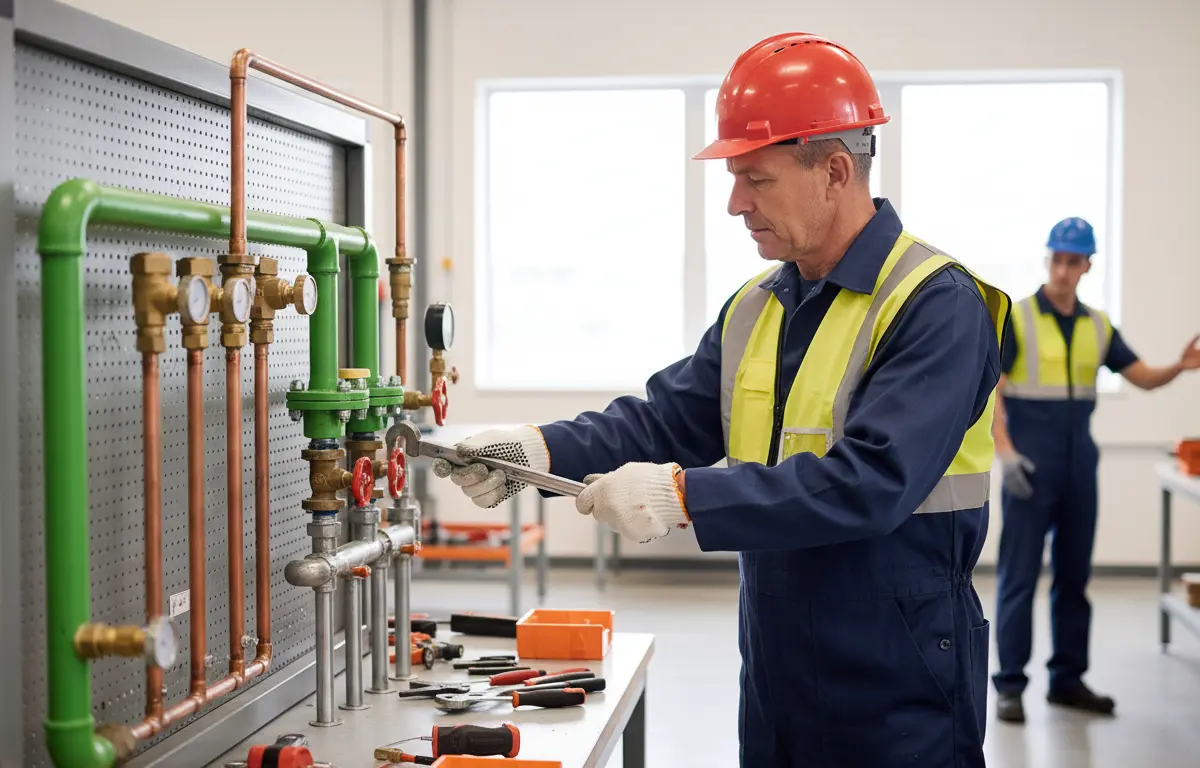
Adult learner practising gas pipework in a training workshop with a tutor nearby

If you are thinking about becoming a gas engineer, one question usually comes up early: how do I keep paying the bills while I train? For most career changers, giving up work completely is not realistic. There are mortgages or rent to cover, and often children or other family to think about.

The good news is that there is more than one way to approach gas engineer training. This guide walks through the options, how to talk to your employer, and how to protect your time and energy while you study.

The balancing act many learners face

Career changers are rarely starting from a blank slate. You might be working in retail, hospitality, logistics, an office or another trade. You might have school runs, caring duties or a partner who relies on your income.

Training for a gas career asks for real commitment. You will be learning theory and practising hands-on skills, and both need focus. So the question is less "can I do this?" and more "which route suits my life right now?"

There is no single right answer. Some people step back from work for a focused period. Others earn while they learn. What matters is choosing a route you can sustain until you qualify.

Two broad routes: course or apprenticeship

In simple terms, you can train in one of two ways.

A gas engineer course

A course is usually something you enrol on yourself. You attend a training centre to learn the theory and build practical skills in a workshop setting. Because you are not tied to an employer for the duration, you have more control over when you start and how you fit it around other commitments.

If you want a closer look at how this compares with the other route, our guide to apprenticeship vs course covers it in more depth.

A gas engineer apprenticeship

An apprenticeship combines paid work with training. You are employed, you work alongside experienced people and you study as part of the arrangement. For someone who needs a regular income, this can be a strong fit, though finding an employer willing to take you on is a step you need to plan for.

We explain how it works in gas engineer apprenticeship terms in a separate article, including what to expect along the way.

Full-time and part-time study patterns

Training can be arranged in different patterns. Some learners prefer an intensive, full-time block because it gets them to the end sooner. Others need a slower pace that leaves room for a job or family commitments.

The patterns on offer can differ between courses and can change over time. The most reliable way to find out what is currently running is to ask us directly. Tell us your working hours and your commitments, and we can talk through what is realistic for you.

A few questions are worth asking any training provider:

  • How many days a week will I need to attend?
  • Is the practical work done in blocks or spread across weeks?
  • How much study is expected outside of sessions?
  • What happens if I miss a session?

Evening or weekend study

Many people hope for evening or weekend study so they can stay in their current job. It is a sensible thing to look for, and it is worth asking about early. Practical gas work needs workshop facilities and tutor supervision, so it is not always possible to do every part of the training outside of normal hours.

If your schedule is tight, be upfront about it. A conversation at the start is far better than discovering halfway through that the timetable does not work for you.

Talking to your employer

You do not always have to tell your employer, but many learners find it helps. Some employers are supportive, especially if you have been a good worker and are open about your plans.

Before you speak to them, it helps to:

  1. Know your proposed study pattern, including which days or hours you would need.
  2. Think about what you can offer in return, such as swapping shifts or using annual leave for practical blocks.
  3. Check your contract for anything about notice periods, flexible working or study leave.
  4. Choose a calm moment to have the conversation, rather than catching them mid-shift.

If your employer cannot accommodate your plans, you still have options. You might move to part-time hours, change to a more flexible role, or plan a clean break once you have saved a buffer.

Managing your time and energy

Time is only half the challenge. Energy matters just as much. After a full day at work, sitting down to study is hard, and hands-on training needs you to be alert and safe.

Some habits help:

  • Protect fixed study slots. Put them in the family calendar so everyone knows when you are unavailable.
  • Study in short bursts. Twenty or thirty focused minutes often beats a long, tired evening.
  • Plan rest as well as work. Burnout is a real risk if you stack a job, family and training with no breathing space.
  • Keep notes tidy from day one. It makes revision much less stressful later.
  • Ask for help at home. Sharing school runs or meals for a few months can make a big difference.

Tips from the learner's side

People who change careers into the gas trade often say similar things. These are common themes rather than quotes from any one person.

  • Start with a realistic budget. Work out what you need each month and how long you can manage on reduced income.
  • Talk to your family early so the plan is shared rather than something you carry alone.
  • Do not compare your pace with others. Everyone arrives with different experience and different commitments.
  • Ask your tutors questions as they come up. Small gaps in understanding are much easier to fix early.
  • Remember why you started. A clear picture of the work you want to be doing helps on tired days.

It also helps to understand the end goal. To work legally on gas appliances in the UK you need to be on the Gas Safe Register, and our Gas Safe Register course guide explains how training fits into that.

Choosing the format that fits

When you are weighing things up, start with your non-negotiables. Do you need a steady wage throughout? Then an apprenticeship may deserve a closer look. Do you have savings and want to qualify as directly as possible? A more intensive course might suit you. Do you need to keep your current job? Then ask about the most flexible patterns available.

It can also help to read about the full journey, from beginner to professional, so you know what stages to plan for. If you are exploring other trades alongside gas, our guide to adult plumbing courses is worth a look too.

Talk to us about your situation

Every learner's circumstances are different, and the best plan is one built around yours. If you would like to know what is available and how it could fit around your work and family, get in touch with the Skills Centre UK team. We are happy to talk through your options with no pressure.

Frequently asked questions

The answers below give a quick summary of the points above.

Frequently asked questions

Can I work full-time while training to be a gas engineer?

It depends on the training route and the study pattern. Some people manage it by choosing a more flexible format, while others find that practical sessions need time away from work. Ask your training provider what the timetable looks like before you commit.

Can I earn while I learn to be a gas engineer?

Yes, an apprenticeship combines paid employment with training, so you earn while you learn. You will need an employer willing to take you on, so it is worth planning that step in advance.

Do I have to tell my employer I am training?

Not necessarily, but it often helps if you need time off or flexible hours. Check your contract and, if you do speak to your employer, go in with a clear proposal for how you will cover your work.

Is a gas engineer course or apprenticeship better if I have a family?

Neither is better for everyone. An apprenticeship offers a regular wage, while a course gives you more control over when you start and how you study. Your income needs and family commitments should guide the choice.

Do I need to be on the Gas Safe Register to work as a gas engineer?

Yes. In the UK, you must be on the Gas Safe Register to work legally on gas appliances, so your training should lead towards that goal.