Did you know that you don’t have to be a qualified electrician in order to carry out PAT testing?
As long as you’re competent to do so, absolutely anyone can check electrical appliances for safety. The most commonly accepted way to be seen as competent is to take a PAT training course and be presented with a Certificate of Competency in PAT testing.
What is PAT Testing?
Portable Appliance Testing, also known as PAT testing, is the examination of portable electrical equipment and appliances to ensure they are safe to use. It generally includes three steps;
Regular, informal checks by the electrical equipment’s user(s)
A formal visual inspection of the equipment
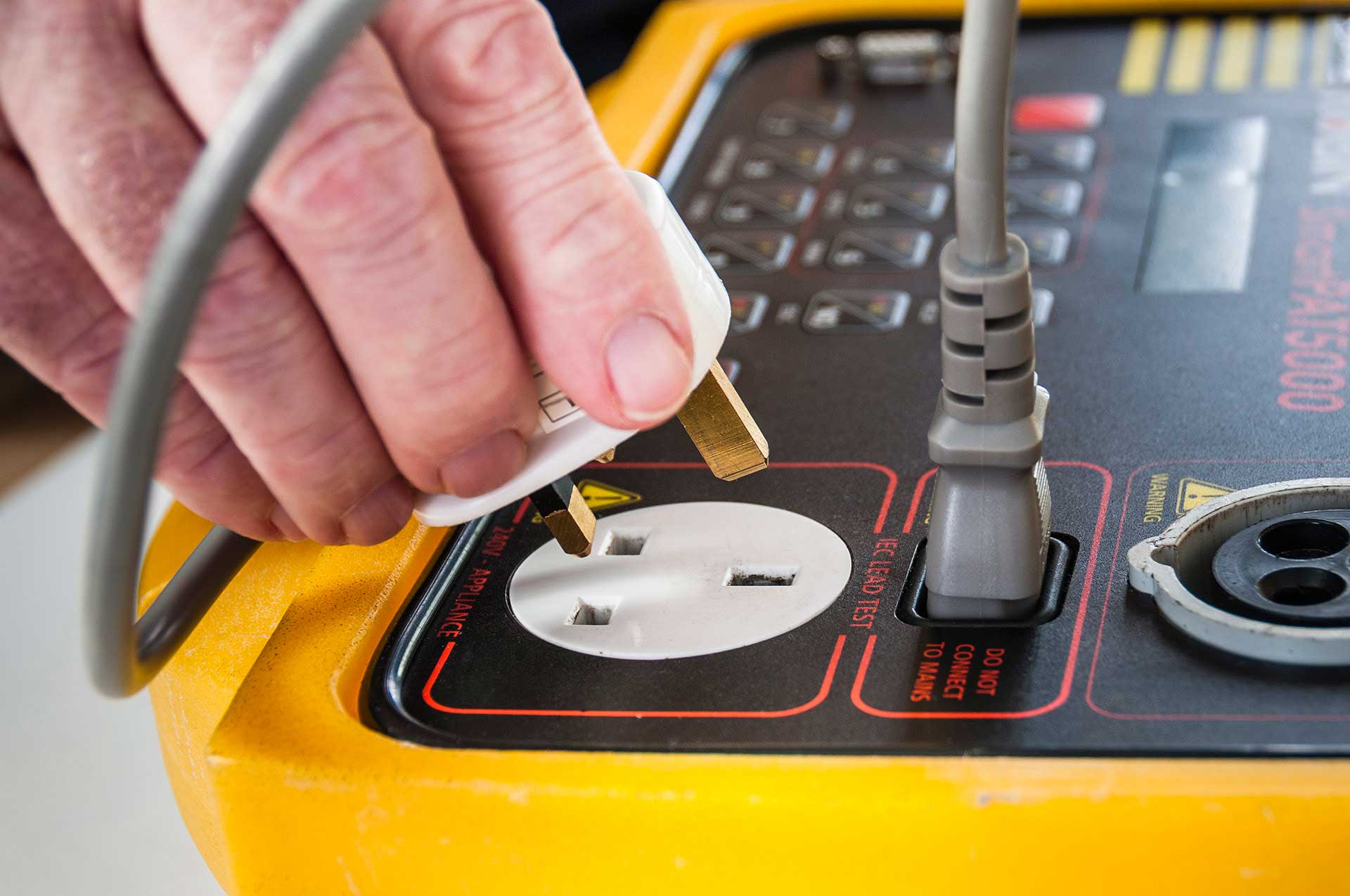
A manual examination of the equipment with a portable appliance tester device (the PAT test)
Any portable electrical appliance (anything with a lead and a plug) needs to be PAT tested. Some examples include laptops and computers, kettles, handheld drills, printers, microwaves etc.
Is PAT testing a legal requirement?
PAT testing is not a legal requirement. The law does state that any electrical equipment in the workplace must be maintained to ensure it is safe and doesn’t pose any risk to the people using it. It doesn’t, however, specify how the equipment should be maintained, or how often.
Generally, PAT testing involves three steps, user checks, a visual inspection and the manual PAT test using a portable appliance tester.
User checks
All users should be trained on how to use the equipment safely. This includes understanding the risks associated with the equipment and how to look out for signs of danger. Every individual should be able to visually check the appliance for any signs of damage and understand whether or not it is safe for use. They should also be able to highlight potential hazards such as trapped cables or water hazards.
Visual inspection
A formal visual inspection should be carried out by a competent member of staff or a professional (an electrical engineer). The HSE says that this process normally flags up 90% of issues with electrical equipment. The equipment should be switched off and unplugged before carrying out this stage of the inspection.
Check the plug for any signs of damage. This includes cracks, burns, or bent pins. When checking the wiring, you should ensure that the live, neutral and earth wires are all tightly connected.
Check the cable for any signs of damage. This could be cuts or fraying. Any exposed wiring is a fail.
Check the appliance itself for damages. This includes cracks, burns, corrosion or other signs of wear and tear.
Check the mains socket for damages. This doesn’t relate to the appliance itself, but it’s worth checking for cracks, signs of overheating and any loose fittings on the plug socket.
Residual current device (RCD) checks. The RCD’s test button will trip if the current flowing through the live conductor is different to that in the neutral.
Manual Examination
Once the visual inspection is complete, it’s time for the manual examination. This is the stage of the Electrical PAT Testing where the portable appliance tester device is introduced. This device will test the appliance for earth continuity, lead polarity and insulation resistance.
Depending on the results, the appliance will receive a pass or fail sticker. Failed appliances should not be used, and should be removed for disposal or repair. Once repaired, it must pass an additional PAT test to be considered safe for use.
Who can carry out a PAT test?
Electrical PAT testing can be carried out by any competent person with the relevant training and equipment. This will likely be a qualified electrician. Interested in learning how to perform PAT testing and other electrical procedures? You might want to consider completing an electrical course.Get in touch with The Skills Centre to learn more about becoming an electrical engineer, or read more about our courses on our website!
What to Expect on a Gas Engineer Course: Theory, Practical and Assessment
If you are thinking about a gas engineer course, one of the first questions is usually, "What will the days actually look like?" Knowing how the learning is structured makes it much easier to decide whether the course suits you and to arrive feeling prepared.
This guide walks through the usual shape of a gas engineer course: the classroom learning, the hands-on workshop time, how assessment works and what to do once you have finished.
How a gas engineer course is laid out
Most gas engineer courses combine three things:
Theory, where you learn the rules, safety principles and science behind gas work.
Practical training, where you work on real components and appliances in a workshop.
Assessment, where you show that you can work safely and competently.
These are not always separate blocks. Many learners find that the theory makes more sense once they have handled the equipment, so good courses move between the classroom and the workshop rather than keeping them apart.
The exact order and balance depend on the course and your starting point. Someone coming from a plumbing background will have a different journey from a complete beginner. If you are comparing training routes, our guide to gas engineer training from beginner to professional gives a wider picture of how people progress.
Classroom theory and safety knowledge
Gas is not a trade where you can learn by trial and error, so safety sits at the heart of the theory side. You can expect to cover topics such as:
How gas behaves, how it burns and why combustion needs to be controlled.
Ventilation and flue requirements, and why they matter.
Gas pipework, including sizing, installation and testing principles.
Tightness testing and how to spot and respond to gas escapes.
Safe isolation and the steps for making an appliance or installation safe.
Relevant regulations and the standards that gas work must follow.
Customer care, record keeping and how to report problems.
This part of the course is where you build the vocabulary and understanding you will lean on for the rest of your career. It can feel like a lot at first, especially if you have not studied for a while. Short sessions, regular revision and asking questions early all help. Plenty of people on adult plumbing courses and career change routes are returning to learning after years away, so you will not be alone.
Hands-on practice in a workshop
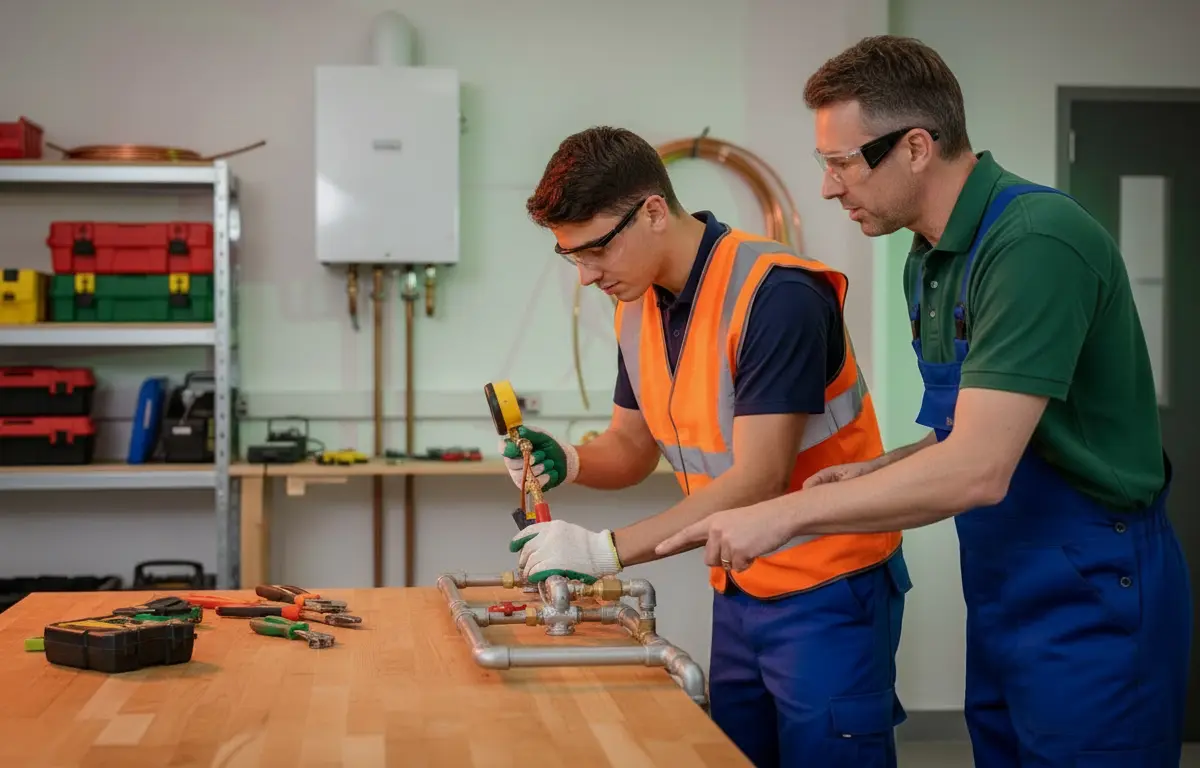
The workshop is usually the part people look forward to most. Here you put the theory into practice on real equipment, under the guidance of a tutor.
Typical workshop activities include:
Working with gas pipework and fittings.
Using tools and test equipment correctly, such as gauges for testing the soundness of an installation.
Installing, commissioning and servicing appliances.
Fault finding on appliances and controls.
Practising safe isolation and emergency procedures.
Expect to repeat tasks. That is deliberate. Gas work relies on a methodical, consistent routine, and repetition is how that routine becomes second nature. Do not worry if your first attempts are slow or imperfect. Tutors would much rather see you take your time and do it safely than rush.
If you also want to learn pipework and heating skills alongside gas, a gas plumbing course with dual qualification training may be worth a look.
How assessments work
Assessment is where you show what you have learned. In the UK, gas training is usually tied to recognised industry assessments, because to work legally on gas appliances in Great Britain you need to be on the Gas Safe Register. Courses are built to prepare you for those requirements, and our page on the Gas Safe Register course explains the professional certification side in more detail.
In general, you can expect assessment to include a mix of:
Written or knowledge-based questions, checking your understanding of safety, regulations and technical principles.
Practical assessments, where an assessor watches you carry out tasks on appliances or pipework and checks that you work safely and correctly.
Ongoing observation, as tutors see how you approach tasks during training.
The precise format, number of assessments and which appliance types are covered depend on the course you choose. When you enquire, ask us to talk you through exactly what will be assessed and how, so there are no surprises on the day.
Two tips that help most people: practise the practical routines until you can do them without prompting, and read through your notes little and often rather than cramming.
Typical course length
How long a gas engineer course takes depends on several things: the type of course, how much experience you already have, and whether you study full time or fit learning around work and family.
Someone with existing plumbing or heating experience may follow a different path from a complete beginner, and an apprenticeship has a different rhythm again, since you learn while working. Our article on how long a plumbing course takes gives a useful sense of the factors involved, and if you are weighing up routes, gas engineer apprenticeship vs course lays out the differences.
For the current timings of the course you are interested in, get in touch and we will explain what to expect.
What you need to bring and prepare
You do not need to be an expert before you start, but a little preparation helps.
Before the course
Ask what entry requirements apply and whether any previous qualifications are needed.
Check the practical details: start dates, hours and what is covered.
Brush up on basic maths and reading. Measurements, pressures and following written procedures come up regularly.
For your first day
Bring any ID or paperwork the centre asks for.
Wear sensible, comfortable clothing and footwear suitable for workshop sessions. Ask in advance whether you need to bring your own personal protective equipment.
Bring a notebook. Writing things down helps them stick.
Mindset
Be ready to ask questions. In gas work, checking is always better than guessing.
Expect to feel stretched at times. That is a normal part of learning a skilled trade.
What comes after you finish
Completing your training is the start of your working life as a gas engineer, not the end of your learning. Once you have the relevant assessments behind you, the next steps usually involve registering with the Gas Safe Register so you can work legally on gas, and then building experience.
Many new engineers look for employment with an established firm to gain confidence on a wide range of jobs. Others add related skills, such as broader plumbing and heating, to widen the work they can take on. Our Gas Engineer Course Options article looks at ways to move into the trade, and our plumbing course guide covers related training and career prospects.
Ready to find out more?
If you are considering a gas engineer course, the best next step is a conversation. Get in touch with Skills Centre UK and we will talk through your background, the route that suits you and what your learning and assessment will involve. Whether you are changing career or starting out, we are happy to help you take the first step.
Frequently asked questions
What does a gas engineer course involve?
A gas engineer course usually combines classroom theory on gas safety and regulations, hands-on workshop practice with real pipework and appliances, and assessments to show you can work safely and competently.
Is a gas engineer course mostly theory or practical?
It is a mix of both. Theory gives you the safety knowledge and understanding of regulations, while workshop sessions let you practise installing, testing and servicing so the skills become routine.
How is a gas engineer course assessed?
Assessment generally includes knowledge-based questions and practical tasks observed by an assessor. The exact format depends on the course, so ask your training provider to explain it before you enrol.
Do I need experience before starting a gas engineer course?
Not always. Some courses suit complete beginners, while others are designed for people with plumbing or heating experience. Ask about entry requirements so you can choose the right starting point.
Do I need to be on the Gas Safe Register to work as a gas engineer?
Yes. In Great Britain you must be registered with the Gas Safe Register to work legally on gas appliances, and good training prepares you for the requirements that lead to registration.