
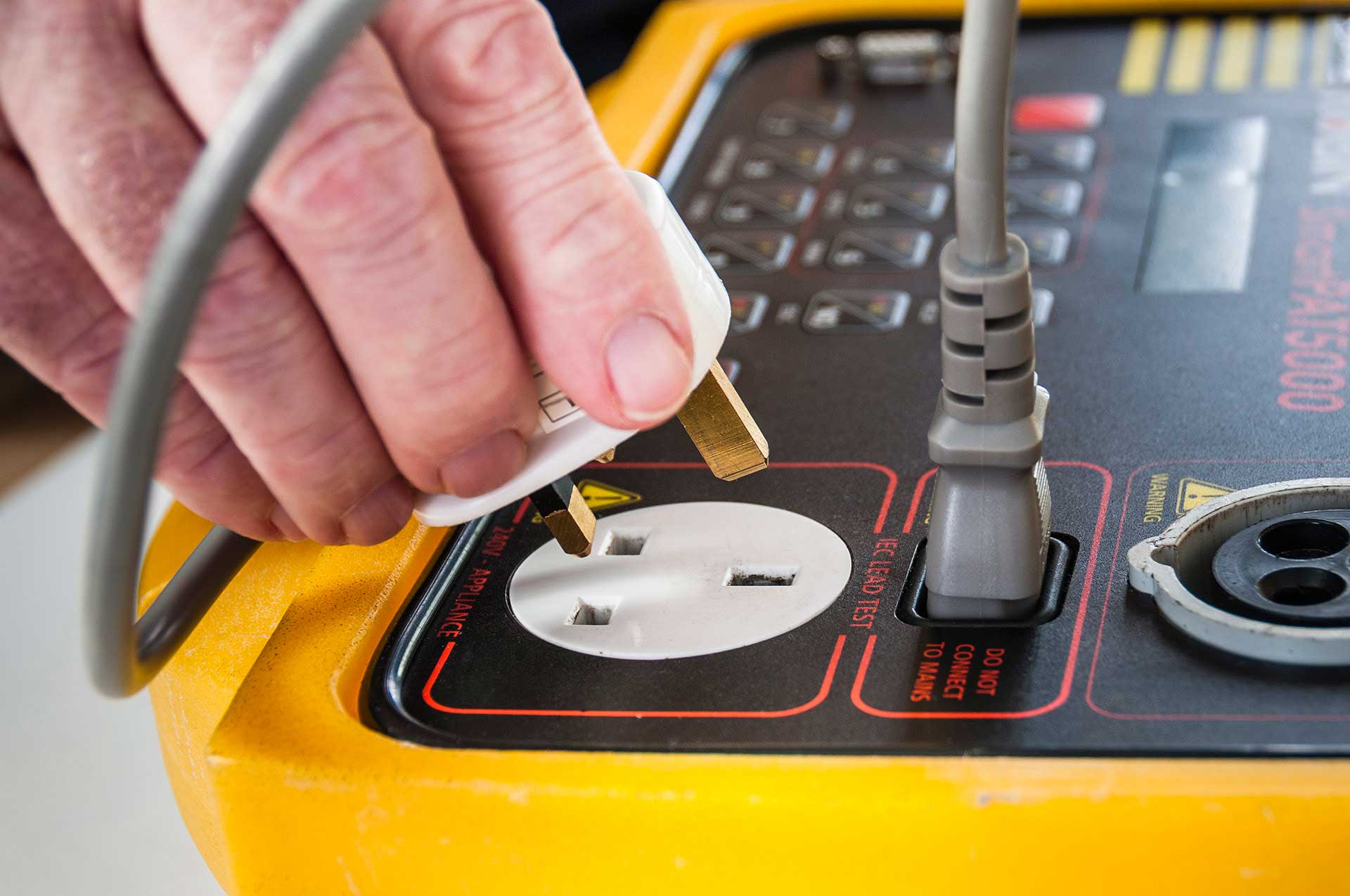
Our guide to PAT Testing

Pat testing new

Did you know that you don’t have to be a qualified electrician in order to carry out PAT testing?

As long as you’re competent to do so, absolutely anyone can check electrical appliances for safety. The most commonly accepted way to be seen as competent is to take a PAT training course and be presented with a Certificate of Competency in PAT testing.

What is PAT Testing? 

Portable Appliance Testing, also known as PAT testing, is the examination of portable electrical equipment and appliances to ensure they are safe to use. It generally includes three steps; 

  1. Regular, informal checks by the electrical equipment’s user(s) 
  2. A formal visual inspection of the equipment 
  3. A manual examination of the equipment with a portable appliance tester device (the PAT test)

Any portable electrical appliance (anything with a lead and a plug) needs to be PAT tested. Some examples include laptops and computers, kettles, handheld drills, printers, microwaves etc.

Is PAT testing a legal requirement? 

PAT testing is not a legal requirement. The law does state that any electrical equipment in the workplace must be maintained to ensure it is safe and doesn’t pose any risk to the people using it. It doesn’t, however, specify how the equipment should be maintained, or how often. 

PAT testing is recommended by professionals as the best way to meet these health and safety obligations and to protect yourself and your employees. 

What does electrical PAT testing involve?

Generally, PAT testing involves three steps, user checks, a visual inspection and the manual PAT test using a portable appliance tester. 

User checks

All users should be trained on how to use the equipment safely. This includes understanding the risks associated with the equipment and how to look out for signs of danger. Every individual should be able to visually check the appliance for any signs of damage and understand whether or not it is safe for use. They should also be able to highlight potential hazards such as trapped cables or water hazards. 

Visual inspection 

A formal visual inspection should be carried out by a competent member of staff or a professional (an electrical engineer). The HSE says that this process normally flags up 90% of issues with electrical equipment. The equipment should be switched off and unplugged before carrying out this stage of the inspection. 

  • Check the plug for any signs of damage. This includes cracks, burns, or bent pins. When checking the wiring, you should ensure that the live, neutral and earth wires are all tightly connected. 
  • Check the cable for any signs of damage. This could be cuts or fraying. Any exposed wiring is a fail.
  • Check the appliance itself for damages. This includes cracks, burns, corrosion or other signs of wear and tear.
  • Check the mains socket for damages. This doesn’t relate to the appliance itself, but it’s worth checking for cracks, signs of overheating and any loose fittings on the plug socket. 
  • Residual current device (RCD) checks. The RCD’s test button will trip if the current flowing through the live conductor is different to that in the neutral. 

Manual Examination 

Once the visual inspection is complete, it’s time for the manual examination. This is the stage of the Electrical PAT Testing where the portable appliance tester device is introduced. This device will test the appliance for earth continuity, lead polarity and insulation resistance.

Depending on the results, the appliance will receive a pass or fail sticker. Failed appliances should not be used, and should be removed for disposal or repair. Once repaired, it must pass an additional PAT test to be considered safe for use. 

Who can carry out a PAT test? 

Electrical PAT testing can be carried out by any competent person with the relevant training and equipment. This will likely be a qualified electrician. Interested in learning how to perform PAT testing and other electrical procedures? You might want to consider completing an electrical course.Get in touch with The Skills Centre to learn more about becoming an electrical engineer, or read more about our courses on our website!
Post Info :
Share this :

Other posts you may like

What Qualifications Do You Need for a Plumbing Course

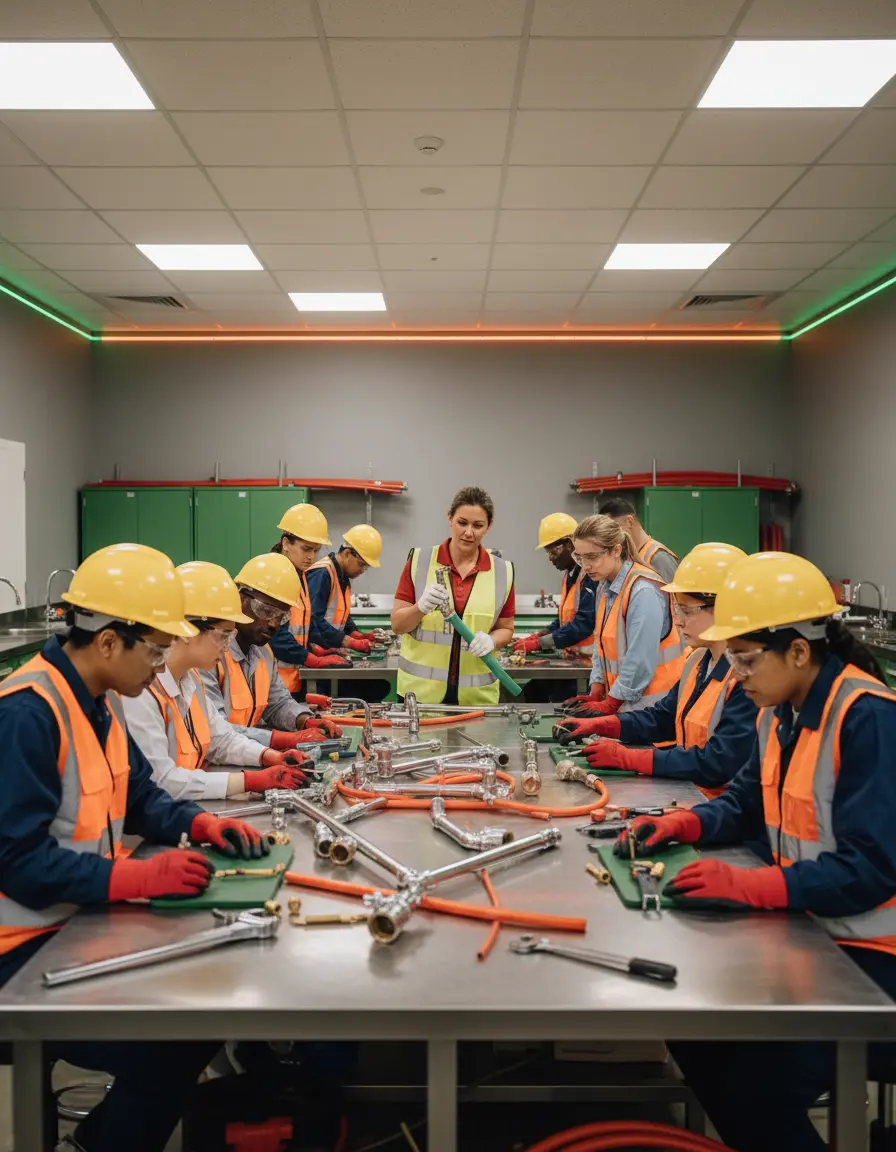
Students learning plumbing skills in a training workshop

Starting a career in plumbing requires proper training, but many people wonder if they meet the basic requirements to enrol on a plumbing course. Understanding the entry criteria helps you prepare for your training journey and ensures you're ready to succeed in this practical trade.

Most plumbing courses welcome learners from diverse backgrounds, whether you're leaving school, changing careers, or looking to gain new skills. The requirements are designed to ensure you can safely handle the practical and theoretical aspects of plumbing work.

Basic Educational Requirements

The minimum educational requirements for plumbing courses are typically straightforward. Most training providers accept learners who have completed their basic education, though the specific level varies between courses.

For entry-level plumbing courses, you generally need:

  • Basic secondary education completion
  • No specific GCSE requirements in most cases
  • Ability to demonstrate learning readiness
  • Commitment to practical, hands-on training

Some advanced or specialised plumbing programmes may require higher qualifications, but these represent a small portion of available courses. The focus remains on practical ability and willingness to learn rather than academic achievement.

Maths and English Level Expectations

Functional maths and English skills form the foundation of successful plumbing training. You'll need these skills to understand technical manuals, calculate pipe dimensions, and communicate with customers and colleagues.

Typical requirements include:

Maths Skills:

  • Basic arithmetic and calculations
  • Understanding measurements and conversions
  • Ability to work with fractions and decimals
  • Practical geometry for pipe layouts

English Skills:

  • Reading comprehension for safety instructions
  • Written communication for reports and documentation
  • Verbal communication with customers and team members
  • Understanding technical terminology

Many training centres offer initial assessments to identify your current level. If you need support, they often provide additional help or recommend preparatory courses to bring your skills up to the required standard.

Physical Requirements and Health Considerations

Plumbing involves significant physical demands, so training providers assess your ability to handle the practical aspects safely. This isn't about excluding people, but ensuring you can complete the training successfully and work safely in the trade.

Physical considerations include:

Mobility and Strength:

  • Ability to work in confined spaces
  • Lifting and carrying pipes and equipment
  • Working in various positions (kneeling, crawling, overhead work)
  • Manual dexterity for handling tools and fittings

Health Factors:

  • No conditions that prevent safe tool use
  • Ability to work in varying temperatures
  • Capacity for extended periods of physical activity
  • Good hand-eye coordination

Most training providers conduct informal assessments or discussions about physical requirements during the application process. They aim to support learners rather than exclude them, often suggesting modifications or additional support where needed.

Prior Experience Benefits

While prior plumbing experience isn't required for most courses, relevant background can be advantageous. Experience in related trades or practical work helps you adapt more quickly to plumbing training.

Beneficial experience includes:

Related Trades:

  • Construction work
  • Electrical installation
  • Heating and ventilation
  • General maintenance roles

Practical Skills:

  • Tool use and maintenance
  • Problem-solving in practical situations
  • Customer service experience
  • Working with technical drawings or plans

Even non-trade experience can be valuable. Skills from retail, hospitality, or office work often transfer well to plumbing, particularly in customer interaction and project management aspects of the trade.

Alternative Entry Routes

If you don't meet standard entry requirements, several alternative pathways can help you access plumbing training. These routes recognise that people learn and develop skills in different ways.

Foundation Courses:

  • Basic skills development programmes
  • Construction industry preparation courses
  • Adult education classes in maths and English
  • Practical skills workshops

Apprenticeship Programmes:

  • Learn while earning with employer support
  • Structured progression from basic to advanced skills
  • Mentorship from experienced professionals
  • Combination of workplace and classroom learning

Adult Learning Support:

  • Flexible scheduling for career changers
  • Additional academic support where needed
  • Recognition of prior learning and experience
  • Career guidance and planning assistance

Many training providers work with local colleges and employers to create pathways that suit different circumstances and starting points.

Preparation Before Starting Your Course

Proper preparation increases your chances of success on a plumbing course. Taking time to prepare mentally, physically, and practically helps you make the most of your training investment.

Academic Preparation:

  • Refresh basic maths skills, particularly measurements and calculations
  • Practice reading technical documents and instructions
  • Familiarise yourself with common plumbing terminology
  • Consider online resources or evening classes if needed

Physical Preparation:

  • Build general fitness and flexibility
  • Practice working with hand tools if possible
  • Develop comfort with practical, hands-on tasks
  • Ensure any health considerations are addressed

Practical Preparation:

  • Research the plumbing industry and career opportunities
  • Visit training centres to understand the environment
  • Speak with qualified plumbers about their experiences
  • Plan finances and time management for training period

Mental Preparation:

  • Set realistic expectations about the learning process
  • Prepare for both theoretical and practical challenges
  • Develop patience for skill-building progression
  • Consider long-term career goals and specialisation options

Starting a plumbing course represents an investment in your future career. Most training providers want you to succeed and offer support throughout the application and training process. If you're considering plumbing training, contact training centres directly to discuss your specific situation and explore the options available to you.

Whether you're looking for a complete career change or want to add plumbing skills to your existing knowledge, the right course can provide the foundation for a rewarding and stable career in this essential trade.

Frequently asked questions

Do I need GCSEs to start a plumbing course?

Most entry-level plumbing courses don't require specific GCSEs. Training providers focus more on your practical ability, willingness to learn, and basic maths and English skills rather than formal qualifications.

What level of maths do I need for plumbing training?

You need functional maths skills including basic arithmetic, measurements, fractions, and simple geometry. Most training centres offer initial assessments and additional support if your maths skills need development.

Are there age restrictions for plumbing courses?

There are typically no upper age limits for plumbing courses. Many training providers welcome career changers and offer flexible learning options for adult learners of all ages.

Can I do a plumbing course if I have no prior experience?

Yes, most plumbing courses are designed for complete beginners. While prior experience in trades or practical work can be helpful, it's not required to start training.

What if I don't meet the physical requirements for plumbing?

Training providers assess physical requirements to ensure safety, but they often work with learners to find solutions or modifications. Discuss any concerns directly with the training centre to explore your options.