
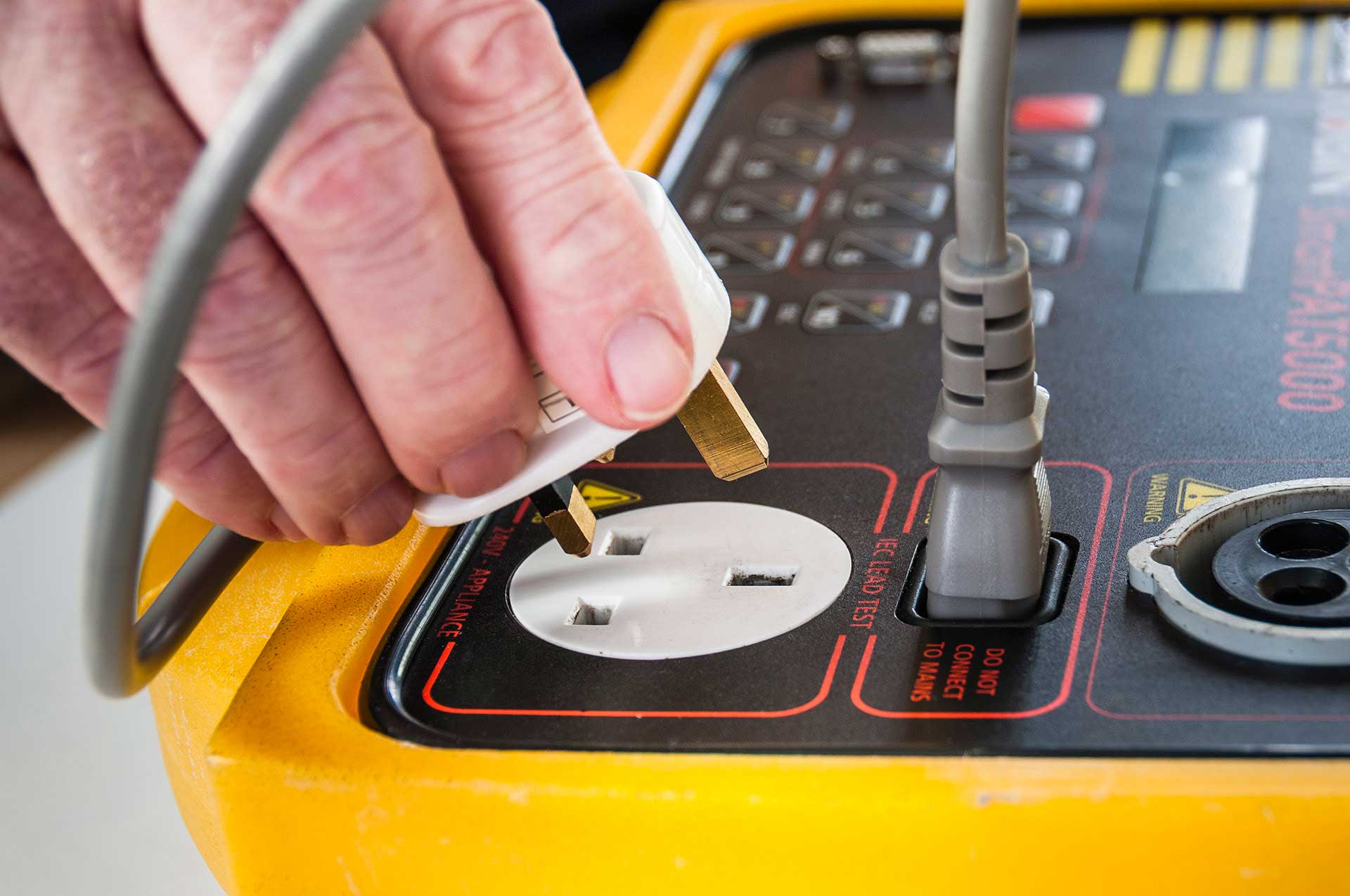
Our guide to PAT Testing

Pat testing new

Did you know that you don’t have to be a qualified electrician in order to carry out PAT testing?

As long as you’re competent to do so, absolutely anyone can check electrical appliances for safety. The most commonly accepted way to be seen as competent is to take a PAT training course and be presented with a Certificate of Competency in PAT testing.

What is PAT Testing? 

Portable Appliance Testing, also known as PAT testing, is the examination of portable electrical equipment and appliances to ensure they are safe to use. It generally includes three steps; 

  1. Regular, informal checks by the electrical equipment’s user(s) 
  2. A formal visual inspection of the equipment 
  3. A manual examination of the equipment with a portable appliance tester device (the PAT test)

Any portable electrical appliance (anything with a lead and a plug) needs to be PAT tested. Some examples include laptops and computers, kettles, handheld drills, printers, microwaves etc.

Is PAT testing a legal requirement? 

PAT testing is not a legal requirement. The law does state that any electrical equipment in the workplace must be maintained to ensure it is safe and doesn’t pose any risk to the people using it. It doesn’t, however, specify how the equipment should be maintained, or how often. 

PAT testing is recommended by professionals as the best way to meet these health and safety obligations and to protect yourself and your employees. 

What does electrical PAT testing involve?

Generally, PAT testing involves three steps, user checks, a visual inspection and the manual PAT test using a portable appliance tester. 

User checks

All users should be trained on how to use the equipment safely. This includes understanding the risks associated with the equipment and how to look out for signs of danger. Every individual should be able to visually check the appliance for any signs of damage and understand whether or not it is safe for use. They should also be able to highlight potential hazards such as trapped cables or water hazards. 

Visual inspection 

A formal visual inspection should be carried out by a competent member of staff or a professional (an electrical engineer). The HSE says that this process normally flags up 90% of issues with electrical equipment. The equipment should be switched off and unplugged before carrying out this stage of the inspection. 

  • Check the plug for any signs of damage. This includes cracks, burns, or bent pins. When checking the wiring, you should ensure that the live, neutral and earth wires are all tightly connected. 
  • Check the cable for any signs of damage. This could be cuts or fraying. Any exposed wiring is a fail.
  • Check the appliance itself for damages. This includes cracks, burns, corrosion or other signs of wear and tear.
  • Check the mains socket for damages. This doesn’t relate to the appliance itself, but it’s worth checking for cracks, signs of overheating and any loose fittings on the plug socket. 
  • Residual current device (RCD) checks. The RCD’s test button will trip if the current flowing through the live conductor is different to that in the neutral. 

Manual Examination 

Once the visual inspection is complete, it’s time for the manual examination. This is the stage of the Electrical PAT Testing where the portable appliance tester device is introduced. This device will test the appliance for earth continuity, lead polarity and insulation resistance.

Depending on the results, the appliance will receive a pass or fail sticker. Failed appliances should not be used, and should be removed for disposal or repair. Once repaired, it must pass an additional PAT test to be considered safe for use. 

Who can carry out a PAT test? 

Electrical PAT testing can be carried out by any competent person with the relevant training and equipment. This will likely be a qualified electrician. Interested in learning how to perform PAT testing and other electrical procedures? You might want to consider completing an electrical course.Get in touch with The Skills Centre to learn more about becoming an electrical engineer, or read more about our courses on our website!
Post Info :
Share this :

Other posts you may like

What Employers Look For When Taking On a Gas Engineer Apprentice

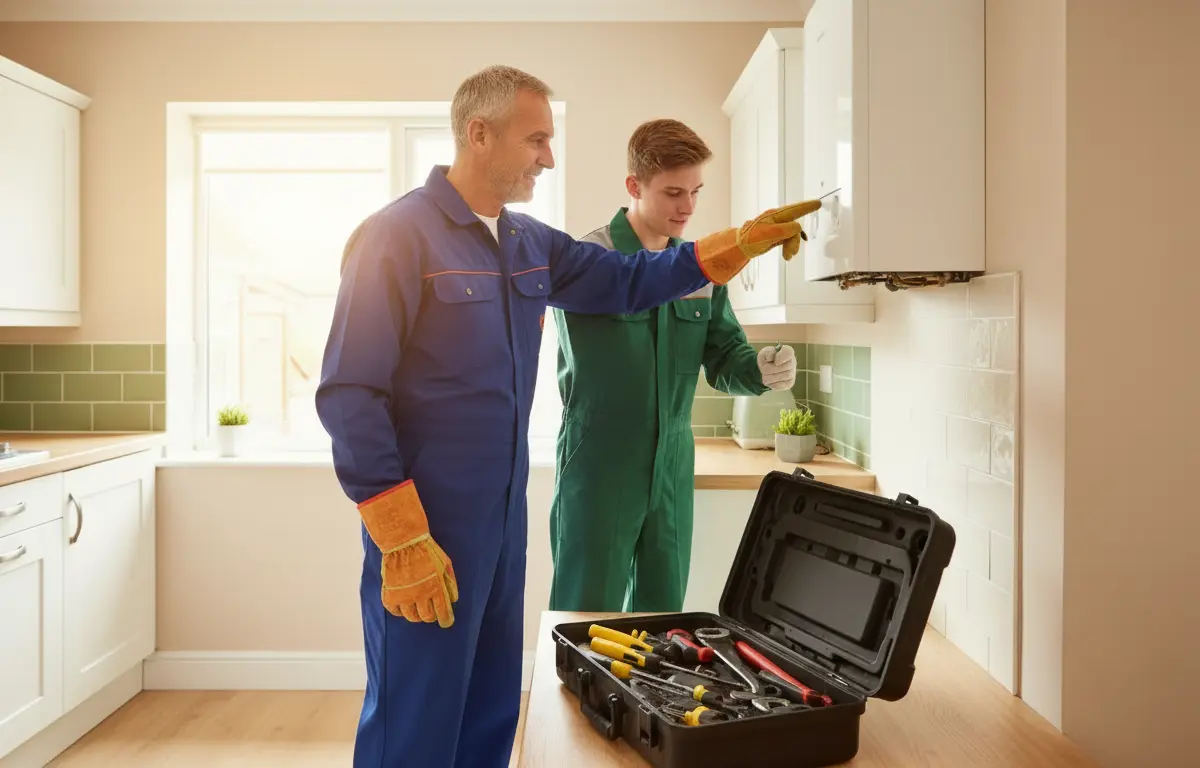
Gas engineer showing an apprentice how to service a boiler in a home

If you are aiming for a gas engineer apprenticeship, it helps to know what the person hiring you is thinking. Employers are not looking for someone who already knows everything. They want someone who will turn up, listen, work safely and grow into a trusted member of the team.

Here is a realistic look at what tends to make an applicant stand out, and what you can do to prepare.

Why employers take on apprentices

Taking on an apprentice is an investment. The employer gives up time to supervise and teach, and they are trusting a newcomer to represent the business in customers' homes. In return, they get the chance to shape someone's habits and skills around the way their company works.

Gas work is regulated and the risks are real, so employers think carefully about who they bring in. The question behind most interviews is simple: "Will this person become someone I can send to a job with confidence?"

That is useful to know, because it means you can show you are that person long before you have any technical knowledge.

Reliability and attitude on site

If you ask tradespeople what matters most in an apprentice, reliability comes up again and again. Technical skills can be taught. Showing up properly is much harder to teach.

Employers tend to notice things like:

  • Arriving on time, ready to work
  • Letting someone know early if you are going to be late or unwell
  • Being polite and calm with customers, who may be anxious about a boiler or a leak
  • Keeping your work area tidy
  • Taking care of tools and equipment

These habits start showing at the application stage. A prompt reply to an email, a well-presented CV and turning up early to an interview all say something about how you will behave on site.

Practical aptitude and basic maths

Gas engineering is hands-on work. You do not need to be an expert, but employers like to see that you are comfortable working with your hands and thinking practically. Experience of fixing things, DIY projects, working with tools or any physical job can all help.

Basic maths matters more than many people expect. Day to day, you may need to:

  • Take accurate measurements
  • Work out pipe lengths and quantities
  • Read dials, gauges and instructions carefully
  • Follow written procedures step by step

Many employers and training providers also look at English and maths qualifications, since you will be reading technical information and completing paperwork. Requirements differ between employers, so read each vacancy carefully. If your maths feels rusty, brushing up before you apply is time well spent.

Willingness to learn and follow safety rules

This is the big one. Gas is hazardous if it is handled carelessly, so employers want someone who respects the rules rather than looking for shortcuts.

In practice, that means:

  • Following instructions even when you think you could do it faster another way
  • Asking questions when you are unsure, instead of guessing
  • Accepting feedback and correction without getting defensive
  • Taking safety checks and procedures seriously every time, not just when someone is watching

An apprentice who asks sensible questions is far more appealing than one who pretends to know it all. In an interview, you can show this by describing a time you learned something new, or a time you took advice and improved.

It also helps to understand why the Gas Safe Register matters. Anyone working on gas appliances legally needs to be on it, and showing you understand that this is a regulated profession tells an employer you are taking the career seriously.

Driving licence and transport considerations

Gas engineers usually travel between customers' homes, often carrying tools and parts. Because of this, a driving licence can be a real advantage, and some employers list it as a requirement.

That said, it is not the same everywhere. Some employers are flexible, particularly if you can show you have a reliable way of getting to the workplace or to the first job of the day. Things worth thinking about include:

  • Whether the role requires you to drive a company van, and what the employer expects on licence and insurance
  • How you will get to the depot or workshop at the start of the day
  • Whether you are working towards your licence and when you expect to pass

If you do not drive yet, be upfront about it and explain your plan. Honesty and good planning count for a lot.

Ways to improve your chances before applying

You do not need to wait for an offer to start building a stronger application. A few practical steps can make a noticeable difference.

Get some relevant experience

Any work that shows you can handle responsibility, deal with people and turn up consistently is worth mentioning. If you can get a few days of work experience or shadowing with a tradesperson, even better.

Build your knowledge

Taking a short course or reading up on the trade shows genuine interest. If you are still deciding whether an apprenticeship or a course suits you better, it is worth comparing both routes. Our guide to gas engineer training from beginner to professional explains how the path can look.

Prepare your CV and interview answers

Keep your CV short, clear and honest. Prepare examples of times you were reliable, learned something quickly or solved a problem. Be ready to explain why you want this trade in particular.

Research the employer

Look at the kind of work the company does, such as domestic, commercial or a mix, and mention it in your application. It shows you have made an effort.

Consider other routes into the trade

Apprenticeships can be competitive, so it is sensible to keep your options open. If you are curious about the bigger picture, read about the route to a skilled trade career. If plumbing also interests you, our plumbing course guide is a good place to start.

Ready to take the next step?

Employers are looking for people who are dependable, careful and keen to learn. If that sounds like you, you are already further ahead than you might think.

Skills Centre UK offers gas engineer courses and apprenticeships, as well as plumbing courses and apprenticeships, for people across the UK. If you would like to talk through which route suits you, get in touch and we will be happy to help.

Frequently asked questions

What do employers look for in a gas engineer apprentice?

Employers mainly look for reliability, a positive attitude, practical aptitude, basic maths and English, and a willingness to follow safety rules. They want someone they can train and trust in customers' homes.

Do I need experience to start a gas engineer apprenticeship?

Not always. Employers often value attitude and potential over experience, but any relevant work, DIY or work experience can help your application stand out. Check each vacancy for its specific requirements.

Do I need a driving licence to become a gas engineer apprentice?

A driving licence is not required by every employer, but it is often an advantage because gas engineers travel between jobs. If you do not drive yet, explain how you will get to work and to job sites.

How can I improve my chances of getting a gas engineer apprenticeship?

Gain some practical experience, brush up on maths and English, prepare a clear CV, research the employer and show that you take safety seriously. Being punctual and polite at every stage of the application also helps.