
Our guide to PAT Testing

Pat testing new

Did you know that you don’t have to be a qualified electrician in order to carry out PAT testing?

As long as you’re competent to do so, absolutely anyone can check electrical appliances for safety. The most commonly accepted way to be seen as competent is to take a PAT training course and be presented with a Certificate of Competency in PAT testing.

What is PAT Testing? 

Portable Appliance Testing, also known as PAT testing, is the examination of portable electrical equipment and appliances to ensure they are safe to use. It generally includes three steps; 

  1. Regular, informal checks by the electrical equipment’s user(s) 
  2. A formal visual inspection of the equipment 
  3. A manual examination of the equipment with a portable appliance tester device (the PAT test)

Any portable electrical appliance (anything with a lead and a plug) needs to be PAT tested. Some examples include laptops and computers, kettles, handheld drills, printers, microwaves etc.

Is PAT testing a legal requirement? 

PAT testing is not a legal requirement. The law does state that any electrical equipment in the workplace must be maintained to ensure it is safe and doesn’t pose any risk to the people using it. It doesn’t, however, specify how the equipment should be maintained, or how often. 

PAT testing is recommended by professionals as the best way to meet these health and safety obligations and to protect yourself and your employees. 

What does electrical PAT testing involve?

Generally, PAT testing involves three steps, user checks, a visual inspection and the manual PAT test using a portable appliance tester. 

User checks

All users should be trained on how to use the equipment safely. This includes understanding the risks associated with the equipment and how to look out for signs of danger. Every individual should be able to visually check the appliance for any signs of damage and understand whether or not it is safe for use. They should also be able to highlight potential hazards such as trapped cables or water hazards. 

Visual inspection 

A formal visual inspection should be carried out by a competent member of staff or a professional (an electrical engineer). The HSE says that this process normally flags up 90% of issues with electrical equipment. The equipment should be switched off and unplugged before carrying out this stage of the inspection. 

  • Check the plug for any signs of damage. This includes cracks, burns, or bent pins. When checking the wiring, you should ensure that the live, neutral and earth wires are all tightly connected. 
  • Check the cable for any signs of damage. This could be cuts or fraying. Any exposed wiring is a fail.
  • Check the appliance itself for damages. This includes cracks, burns, corrosion or other signs of wear and tear.
  • Check the mains socket for damages. This doesn’t relate to the appliance itself, but it’s worth checking for cracks, signs of overheating and any loose fittings on the plug socket. 
  • Residual current device (RCD) checks. The RCD’s test button will trip if the current flowing through the live conductor is different to that in the neutral. 

Manual Examination 

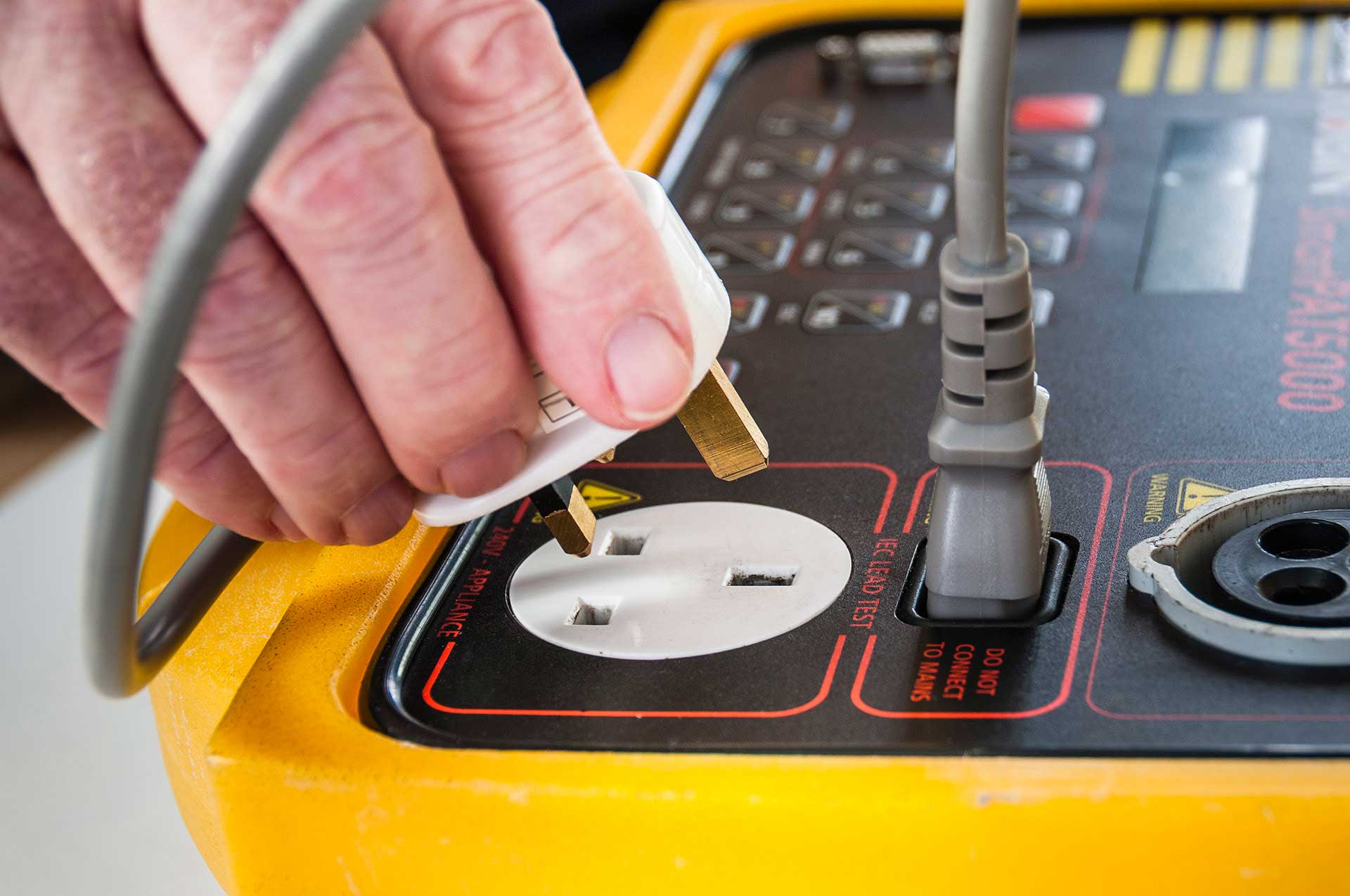
Once the visual inspection is complete, it’s time for the manual examination. This is the stage of the Electrical PAT Testing where the portable appliance tester device is introduced. This device will test the appliance for earth continuity, lead polarity and insulation resistance.

Depending on the results, the appliance will receive a pass or fail sticker. Failed appliances should not be used, and should be removed for disposal or repair. Once repaired, it must pass an additional PAT test to be considered safe for use. 

Who can carry out a PAT test? 

Electrical PAT testing can be carried out by any competent person with the relevant training and equipment. This will likely be a qualified electrician. Interested in learning how to perform PAT testing and other electrical procedures? You might want to consider completing an electrical course.Get in touch with The Skills Centre to learn more about becoming an electrical engineer, or read more about our courses on our website!
Post Info :
Share this :

Other posts you may like

Retraining as a Plumber in Your 30s, 40s or 50s: Is It Too Late?

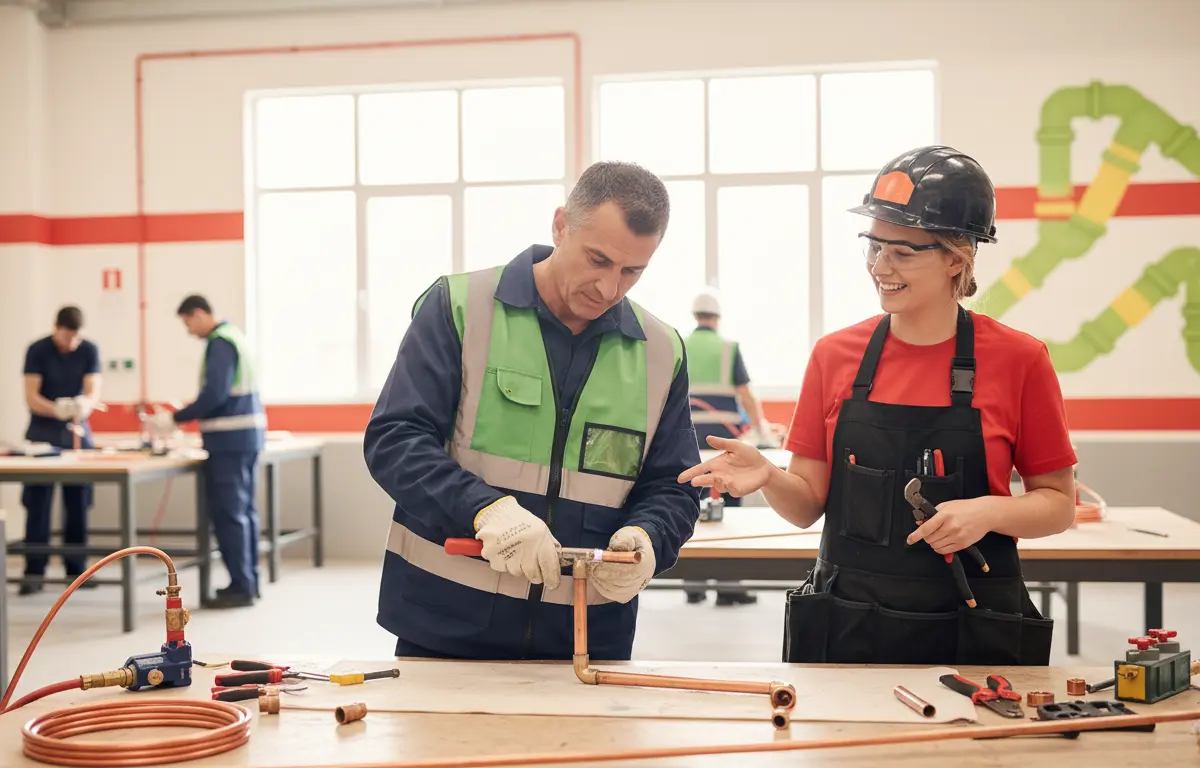
Adult learner practising pipework with a tutor in a plumbing training workshop

Short answer: no, it is not too late. Plenty of people start plumbing training after years in another job, and adult learners often arrive with habits that help: reliability, good communication and a clear reason for making the change. If you are searching for plumbing courses for adults, this guide covers the practical worries that tend to come up, including age, fitness, study time and money.

Why many adults move into the trades

People change direction for different reasons. Some want work that is hands-on rather than screen-based. Some have been made redundant or are tired of a role with no clear next step. Others simply want a skill they can use for the rest of their working life.

Plumbing appeals because it is a practical, in-demand skill. Homes and businesses across the UK need heating, hot water and pipework installed, maintained and repaired. That means the skills you learn are not tied to one town or one employer. You can also choose how you work later on, whether that is for a company or for yourself.

And a plumbing qualification can be a stepping stone. Many people go on to add gas training once they are established, which opens up boiler and heating work. Our Gas Plumbing Course: Dual Qualification Training article explains how the two fit together.

Skills from your current job that transfer

You are rarely starting from zero. Think about what your current or previous work has given you:

  • Customer service. Plumbers spend a lot of time in people's homes. Being calm, clear and polite matters as much as technical skill.
  • Problem solving. Tracing a leak or a heating fault is detective work. If you have diagnosed problems in any field, you already think this way.
  • Reading plans and following procedures. Office, warehouse, retail and hospitality roles all build habits around process and accuracy.
  • Time management. Juggling jobs, deadlines and people is a daily reality for tradespeople.
  • Practical experience. If you have done DIY, maintenance, driving or any manual work, that familiarity with tools and working safely is a genuine head start.

When you speak to a training provider, mention these. They help you choose the right starting point and can help you describe your experience to future employers.

Physical demands and how to plan for them

Plumbing is physical, and it is worth being honest about that. You will kneel, bend, lift, work in tight spaces such as under floors and in lofts, and spend time on your feet. That does not mean you need to be an athlete, but you should be comfortable with moderate physical activity.

Here are some sensible ways to prepare:

  • Build up gradually. Regular walking, stretching and some basic strength work before you start will help you feel comfortable in workshop sessions.
  • Learn good technique early. Lifting properly, using the right tools and taking breaks protects your back and joints. Good habits matter more than raw strength.
  • Look after your knees and back. Knee pads and proper footwear are standard kit for a reason.
  • Talk about any health concerns. If you have a specific condition or injury, speak to your doctor and to the training provider before enrolling so you can plan realistically.

Over time, many plumbers move toward the parts of the trade that suit them best, such as servicing, design or training others. You do not have to do the most demanding work forever.

Fitting study around work and family

Most adult learners have commitments: a job, children, caring responsibilities or all three. Before choosing a route, work out how much time you can realistically give each week and which pattern suits you.

There are broadly two routes to consider:

  • A course. You study and practise skills at a training centre, often around your existing schedule. This suits people who want to learn first and then look for work.
  • An apprenticeship. You learn on the job with an employer while studying alongside. This suits people who are ready to work and train at the same time, though it depends on finding an employer to take you on.

If you are not sure which fits, our guide on Gas Engineer Apprenticeship vs Course: Which Route to Choose walks through the trade-offs, and the same thinking applies to plumbing. For timings, see How Long Does a Plumbing Course Take to Complete.

A few practical tips for balancing study with real life:

  • Tell your family early so they understand the commitment.
  • Set regular study times rather than waiting for spare moments.
  • Practise hands-on skills little and often where you can.
  • Ask your training provider what support is available if you fall behind.

Planning your income during training

Money is often the biggest worry for career changers, so it deserves proper planning rather than hope.

Start by listing your essential monthly outgoings. Then think about which route fits your finances:

  • Keeping your current job while you study works well with a course that can fit around your hours.
  • An apprenticeship typically combines paid work with training, which can suit people who cannot go without a wage. Availability depends on employers, so it is worth asking early.
  • Part-time or reduced hours might bridge the gap if you need more study time.

Also think about what happens after you qualify. Your first role may not match what you earn now, and it can take a little time to build experience and confidence. Setting aside a small buffer before you start can ease that period. We would rather you plan it properly than feel under pressure halfway through.

For course fees and payment options, speak to us directly so we can give you accurate information for your situation.

Taking the first step

You do not need to have everything worked out before you ask questions. A good first step is to look at the training options and see which one suits your life.

  1. Decide whether a course or an apprenticeship fits you better.
  2. Check how much time you can commit each week.
  3. Think about whether you may want gas qualifications later. Our Gas Engineer Training: From Beginner to Professional article shows how that path develops.
  4. Read through Adult Plumbing Courses: Career Change Training Options and the Plumbing Course Guide: Training Options and Career Prospects to compare routes.
  5. Contact a training provider and talk through your situation.

If you want a friendly conversation about where you could start, get in touch with the Skills Centre UK team. We work with adults across the UK who are changing direction, and we are happy to help you work out a realistic plan.

Frequently asked questions

The questions below cover the points adult learners ask most often.

Frequently asked questions

Am I too old to retrain as a plumber?

No. There is no upper age limit for plumbing training, and many people start in their 30s, 40s and 50s. What matters is that you are comfortable with the physical side of the work and committed to completing your training.

Do I need experience to start a plumbing course as an adult?

Not usually. Beginner courses are designed for people with no plumbing background. Experience from other jobs, such as customer service, problem solving or practical work, can help, but it is not a requirement.

Should I choose a plumbing course or an apprenticeship?

A course suits people who want to learn first and fit study around other commitments. An apprenticeship suits people who want to earn while they train, although it depends on an employer taking you on. Think about your finances and time before deciding.

Can I study plumbing while working full time?

Many adult learners do, depending on the course format. Check the schedule with the training provider and be realistic about the time you can give each week.

Can I add gas engineer training later?

Yes. Many plumbers add gas qualifications once they have a plumbing foundation. Gas work in the UK must be carried out by a Gas Safe registered engineer, so the right training is essential before working on gas appliances.