Did you know that you don’t have to be a qualified electrician in order to carry out PAT testing?
As long as you’re competent to do so, absolutely anyone can check electrical appliances for safety. The most commonly accepted way to be seen as competent is to take a PAT training course and be presented with a Certificate of Competency in PAT testing.
What is PAT Testing?
Portable Appliance Testing, also known as PAT testing, is the examination of portable electrical equipment and appliances to ensure they are safe to use. It generally includes three steps;
Regular, informal checks by the electrical equipment’s user(s)
A formal visual inspection of the equipment
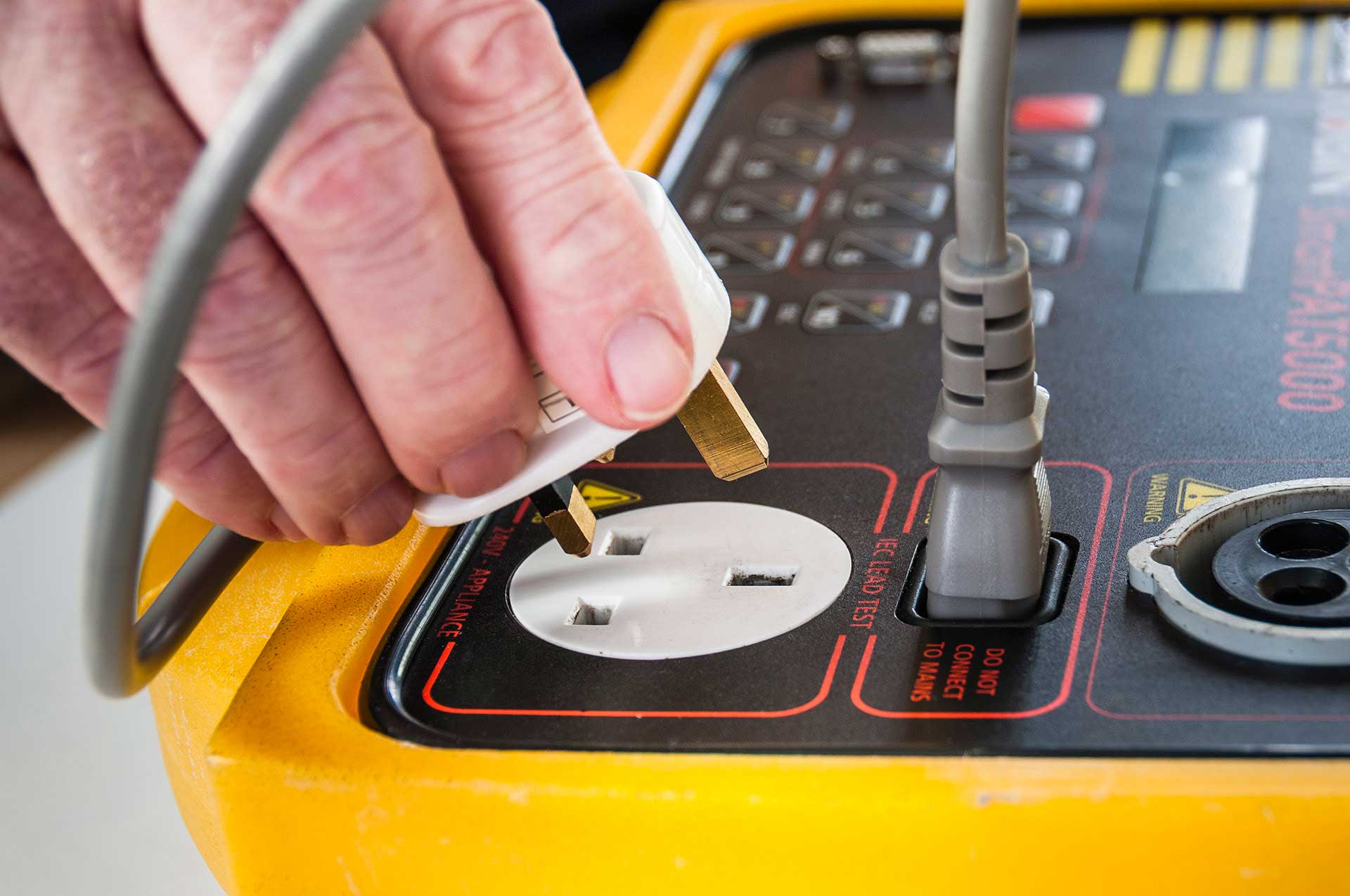
A manual examination of the equipment with a portable appliance tester device (the PAT test)
Any portable electrical appliance (anything with a lead and a plug) needs to be PAT tested. Some examples include laptops and computers, kettles, handheld drills, printers, microwaves etc.
Is PAT testing a legal requirement?
PAT testing is not a legal requirement. The law does state that any electrical equipment in the workplace must be maintained to ensure it is safe and doesn’t pose any risk to the people using it. It doesn’t, however, specify how the equipment should be maintained, or how often.
Generally, PAT testing involves three steps, user checks, a visual inspection and the manual PAT test using a portable appliance tester.
User checks
All users should be trained on how to use the equipment safely. This includes understanding the risks associated with the equipment and how to look out for signs of danger. Every individual should be able to visually check the appliance for any signs of damage and understand whether or not it is safe for use. They should also be able to highlight potential hazards such as trapped cables or water hazards.
Visual inspection
A formal visual inspection should be carried out by a competent member of staff or a professional (an electrical engineer). The HSE says that this process normally flags up 90% of issues with electrical equipment. The equipment should be switched off and unplugged before carrying out this stage of the inspection.
Check the plug for any signs of damage. This includes cracks, burns, or bent pins. When checking the wiring, you should ensure that the live, neutral and earth wires are all tightly connected.
Check the cable for any signs of damage. This could be cuts or fraying. Any exposed wiring is a fail.
Check the appliance itself for damages. This includes cracks, burns, corrosion or other signs of wear and tear.
Check the mains socket for damages. This doesn’t relate to the appliance itself, but it’s worth checking for cracks, signs of overheating and any loose fittings on the plug socket.
Residual current device (RCD) checks. The RCD’s test button will trip if the current flowing through the live conductor is different to that in the neutral.
Manual Examination
Once the visual inspection is complete, it’s time for the manual examination. This is the stage of the Electrical PAT Testing where the portable appliance tester device is introduced. This device will test the appliance for earth continuity, lead polarity and insulation resistance.
Depending on the results, the appliance will receive a pass or fail sticker. Failed appliances should not be used, and should be removed for disposal or repair. Once repaired, it must pass an additional PAT test to be considered safe for use.
Who can carry out a PAT test?
Electrical PAT testing can be carried out by any competent person with the relevant training and equipment. This will likely be a qualified electrician. Interested in learning how to perform PAT testing and other electrical procedures? You might want to consider completing an electrical course.Get in touch with The Skills Centre to learn more about becoming an electrical engineer, or read more about our courses on our website!
Finding Plumbing Courses Near You: Local Training Options
Choosing the right plumbing course location can make a significant difference to your learning experience and career prospects. Local training centres offer practical advantages including reduced travel costs, familiar surroundings, and connections to regional employers. This guide helps you identify quality plumbing training options in your area and evaluate which programme best suits your needs.
How to Find Local Plumbing Training Centres
Start your search by checking government-approved training providers in your region. The Education and Skills Funding Agency maintains a list of registered training organisations that offer plumbing qualifications. Many further education colleges also run plumbing programmes alongside private training centres.
Search online directories and use location-specific terms like "plumbing courses [your town]" or "plumbing training [your county]". Local job centres often have information about nearby training providers and may offer funding advice for eligible candidates.
Contact your local authority's adult education department. They frequently partner with training providers or run their own programmes. Trade associations and professional bodies also maintain directories of approved training centres.
Word-of-mouth recommendations from local tradespeople can provide valuable insights into training quality and employer recognition. Visit local plumbing supply shops and ask staff about recommended training providers in the area.
Questions to Ask Training Providers
Before committing to any programme, ask specific questions about course content and delivery. Find out which qualifications the course covers and whether they align with industry standards. Ask about the ratio of practical to theoretical learning, as hands-on experience is crucial for plumbing skills development.
Inquire about instructor qualifications and industry experience. Experienced tradespeople who also teach bring real-world knowledge to the classroom. Ask about class sizes, as smaller groups often mean more individual attention and better learning outcomes.
Request information about success rates and job placement statistics. Reputable training centres should be transparent about their students' achievements and employment outcomes. Ask about ongoing support after course completion, including help with job searches or further qualifications.
Find out about equipment and facilities. Modern training centres should have up-to-date tools and realistic workshop environments that mirror actual working conditions. Ask whether all materials and tools are included in the course fee or if additional costs apply.
Comparing Course Quality and Facilities
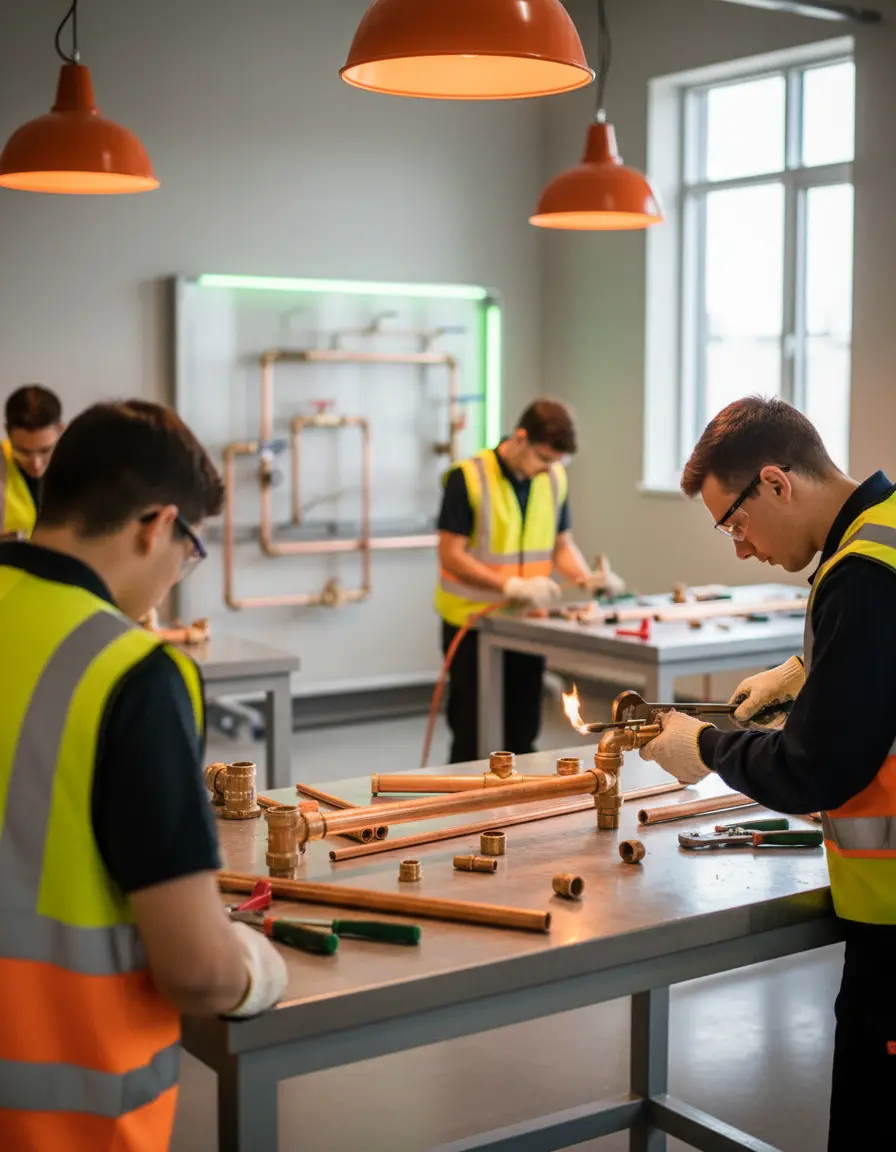
Visit potential training centres to assess facilities firsthand. Look for well-maintained workshops with current plumbing systems and fixtures. Training areas should include different pipe materials, heating systems, and bathroom installations that reflect modern plumbing work.
Check whether the centre has industry-standard tools and equipment. Students should have access to pipe cutters, welding equipment, testing instruments, and safety gear. Adequate workspace for each student is essential for effective practical learning.
Examine the theoretical learning environment. Classrooms should have appropriate teaching aids, including technical diagrams, reference materials, and presentation equipment. Some centres offer blended learning with online resources complementing face-to-face instruction.
Review the qualification framework offered. Quality programmes typically include City & Guilds certifications or NVQ qualifications recognised by employers. Some centres also prepare students for gas safety training, which can enhance career prospects.
Assess the centre's reputation through online reviews and testimonials. However, be aware that individual experiences vary, and focus on consistent themes rather than isolated complaints or praise.
Transport Links and Accessibility
Consider travel time and costs when selecting a training centre. Calculate daily travel expenses including fuel, parking, or public transport fares. These costs accumulate over the course duration and should factor into your decision.
Check public transport connections if you don't drive. Training centres near bus routes or railway stations offer better accessibility. Some employers may provide transport for apprenticeship programmes, so ask about these arrangements.
Evaluate parking availability and costs. City centre locations may have limited or expensive parking, while suburban centres often provide free parking for students.
Consider the timing of travel in relation to course schedules. Rush-hour traffic can significantly extend journey times, particularly for early morning or late afternoon classes.
Some training providers offer flexible scheduling or intensive courses that reduce the number of travel days required. Weekend or evening options might better suit your circumstances while minimising travel frequency.
Local Job Market Considerations
Research employment opportunities in your local area before choosing a training centre. Some regions have higher demand for plumbers, which can influence your career prospects after qualification. Local training providers often have better connections with regional employers and may facilitate job placements.
Consider the types of plumbing work common in your area. Coastal regions might focus more on heating systems, while urban areas could emphasise commercial installations. Training centres often tailor their programmes to reflect local industry needs.
Investigate average wage levels for qualified plumbers in your region. This information helps you understand the potential return on your training investment and career earning prospects.
Some training centres maintain relationships with local plumbing companies and can provide networking opportunities. These connections prove valuable when seeking employment or establishing your own business.
Look into apprenticeship opportunities with local employers. Many plumbing apprenticeships combine workplace learning with formal training, providing income while you qualify.
Online vs In-Person Training Options
While online learning offers convenience and flexibility, plumbing requires substantial hands-on practice that cannot be replicated virtually. Most reputable plumbing courses combine online theory with in-person practical sessions.
Online components work well for learning regulations, health and safety procedures, and technical theory. However, pipe fitting, soldering, and system installation require physical practice with real materials and tools.
Some training providers offer hybrid programmes where students complete theoretical modules online and attend intensive practical workshops. This approach can reduce travel frequency while maintaining essential hands-on learning.
Consider your learning style when evaluating online options. Some people thrive with self-directed online study, while others benefit from face-to-face instruction and peer interaction.
Remember that employers typically expect newly qualified plumbers to demonstrate practical competence. Purely online qualifications may not provide sufficient hands-on experience for employment readiness.
For adult learners changing careers, structured classroom environments often provide better support and motivation than self-directed online study. The social aspect of in-person learning can also help build professional networks within the local plumbing community.
Choosing the right local plumbing course requires careful consideration of multiple factors including quality, accessibility, and career prospects. Take time to visit potential training centres, ask detailed questions, and evaluate how each option aligns with your circumstances and goals. The investment in quality local training can provide the foundation for a rewarding career in plumbing.
Frequently asked questions
How long do local plumbing courses typically take to complete?
Most plumbing courses range from 6 weeks for intensive programmes to 2 years for comprehensive qualifications. The duration depends on whether you choose full-time, part-time, or apprenticeship training. Intensive courses focus on essential skills, while longer programmes include broader qualifications and more extensive practical experience.
What qualifications should I look for in a plumbing course?
Look for courses offering City & Guilds Level 2 or 3 plumbing qualifications, NVQ Level 2 or 3 in Plumbing and Heating, or equivalent recognised certifications. These qualifications are widely accepted by employers and provide the foundation for professional plumbing work.
Do I need any prior experience to start a plumbing course?
Most entry-level plumbing courses welcome complete beginners with no prior experience. However, basic DIY skills, physical fitness, and good manual dexterity are helpful. Some courses may require basic maths and English qualifications or equivalent skills assessments.
How much should I expect to pay for a local plumbing course?
Course fees vary significantly depending on the qualification level, duration, and training provider. Contact local training centres directly for current pricing, as costs can range from hundreds to several thousand pounds. Some apprenticeships are funded by employers, while government funding may be available for eligible candidates.
Will completing a local plumbing course guarantee me a job?
While plumbing courses provide essential qualifications, employment depends on local job market conditions, your skills development, and networking efforts. Many training centres offer job placement support and have connections with local employers, but securing work ultimately requires your active job search and continued skill development.