Did you know that you don’t have to be a qualified electrician in order to carry out PAT testing?
As long as you’re competent to do so, absolutely anyone can check electrical appliances for safety. The most commonly accepted way to be seen as competent is to take a PAT training course and be presented with a Certificate of Competency in PAT testing.
What is PAT Testing?
Portable Appliance Testing, also known as PAT testing, is the examination of portable electrical equipment and appliances to ensure they are safe to use. It generally includes three steps;
Regular, informal checks by the electrical equipment’s user(s)
A formal visual inspection of the equipment
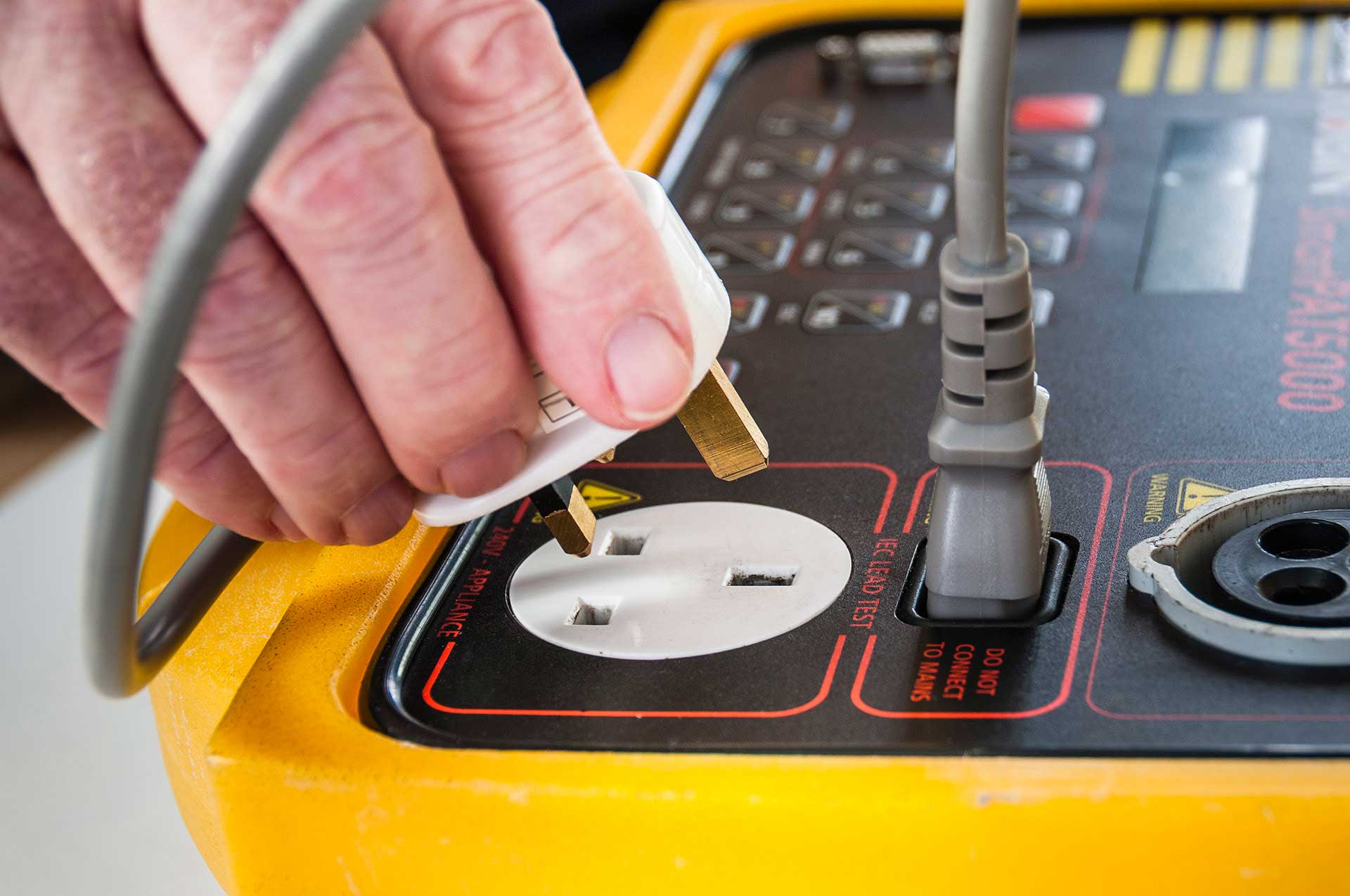
A manual examination of the equipment with a portable appliance tester device (the PAT test)
Any portable electrical appliance (anything with a lead and a plug) needs to be PAT tested. Some examples include laptops and computers, kettles, handheld drills, printers, microwaves etc.
Is PAT testing a legal requirement?
PAT testing is not a legal requirement. The law does state that any electrical equipment in the workplace must be maintained to ensure it is safe and doesn’t pose any risk to the people using it. It doesn’t, however, specify how the equipment should be maintained, or how often.
Generally, PAT testing involves three steps, user checks, a visual inspection and the manual PAT test using a portable appliance tester.
User checks
All users should be trained on how to use the equipment safely. This includes understanding the risks associated with the equipment and how to look out for signs of danger. Every individual should be able to visually check the appliance for any signs of damage and understand whether or not it is safe for use. They should also be able to highlight potential hazards such as trapped cables or water hazards.
Visual inspection
A formal visual inspection should be carried out by a competent member of staff or a professional (an electrical engineer). The HSE says that this process normally flags up 90% of issues with electrical equipment. The equipment should be switched off and unplugged before carrying out this stage of the inspection.
Check the plug for any signs of damage. This includes cracks, burns, or bent pins. When checking the wiring, you should ensure that the live, neutral and earth wires are all tightly connected.
Check the cable for any signs of damage. This could be cuts or fraying. Any exposed wiring is a fail.
Check the appliance itself for damages. This includes cracks, burns, corrosion or other signs of wear and tear.
Check the mains socket for damages. This doesn’t relate to the appliance itself, but it’s worth checking for cracks, signs of overheating and any loose fittings on the plug socket.
Residual current device (RCD) checks. The RCD’s test button will trip if the current flowing through the live conductor is different to that in the neutral.
Manual Examination
Once the visual inspection is complete, it’s time for the manual examination. This is the stage of the Electrical PAT Testing where the portable appliance tester device is introduced. This device will test the appliance for earth continuity, lead polarity and insulation resistance.
Depending on the results, the appliance will receive a pass or fail sticker. Failed appliances should not be used, and should be removed for disposal or repair. Once repaired, it must pass an additional PAT test to be considered safe for use.
Who can carry out a PAT test?
Electrical PAT testing can be carried out by any competent person with the relevant training and equipment. This will likely be a qualified electrician. Interested in learning how to perform PAT testing and other electrical procedures? You might want to consider completing an electrical course.Get in touch with The Skills Centre to learn more about becoming an electrical engineer, or read more about our courses on our website!
Plumbing Course or Plumbing Apprenticeship: Which Suits You Better?
If you want to become a plumber, you will soon find there are two main ways in: a plumbing course or a plumbing apprenticeship. Both can lead to a skilled trade career. They just get you there in different ways.
The better choice depends on your circumstances, how you like to learn and what you need from the next year or so. This guide walks through both routes in plain terms so you can decide with confidence.
Two routes into plumbing, explained simply
Here is the short version.
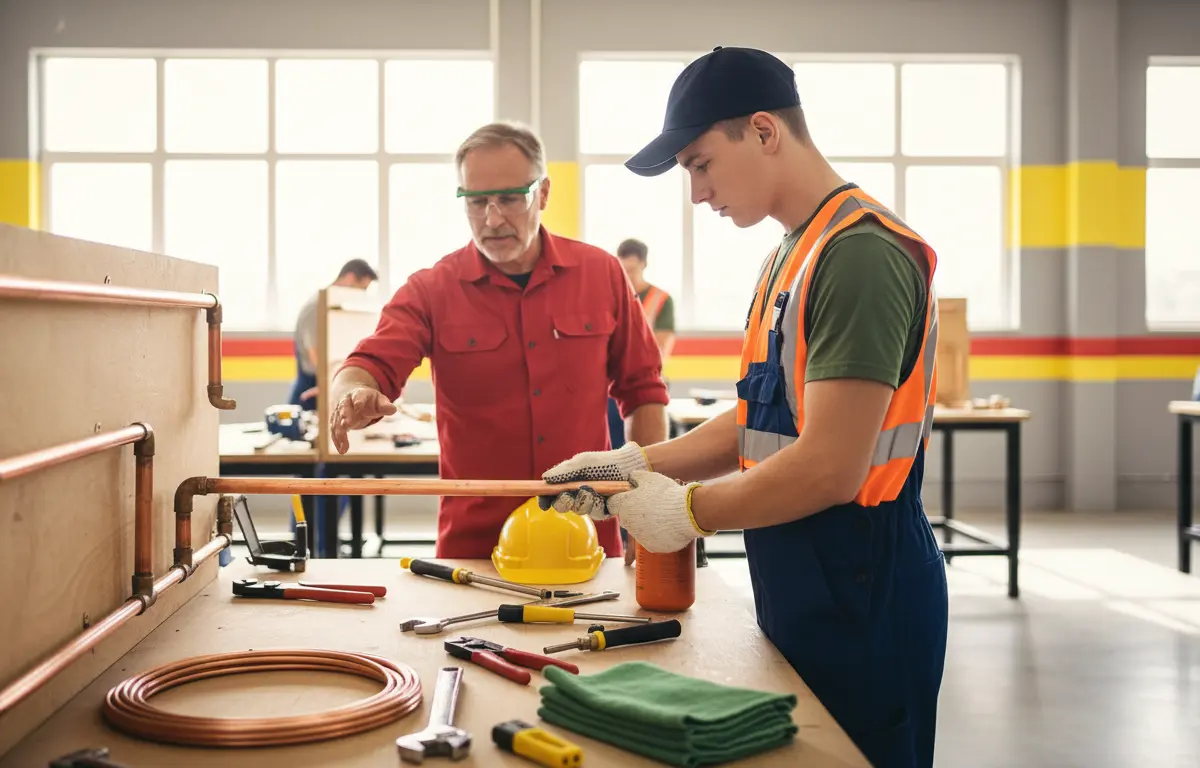
A plumbing course is training you sign up for yourself. You attend a training centre, learn the theory and practise the skills in a workshop, and work towards a qualification.
A plumbing apprenticeship is a job with training built in. You are employed by a plumbing business, learn on real jobs and spend set time on structured training alongside the work.
Neither route is automatically better. A course gives you more control over when you start. An apprenticeship gives you a wage and real site experience from the start, but you need an employer willing to take you on.
How a plumbing course works
On a plumbing course you learn in a controlled training environment. You practise skills such as pipework, fitting and basic repairs in a workshop, backed up by the theory behind them, such as water regulations and safe working practices.
Courses can be offered full-time or part-time, depending on the provider. Full-time study suits people who can focus on learning for a stretch. Part-time study suits people who need to keep working or look after family while they train. If you want a sense of timescales, our guide on how long a plumbing course takes to complete goes through what affects the length.
What a course does well
You do not need an employer first. You can start training without waiting for someone to offer you a job.
You can learn from the basics. Workshop practice lets you make mistakes safely and repeat tasks until they feel natural.
You choose your pace. Full-time and part-time options give you flexibility.
It works for career changers. Many adults come to plumbing from other work, and our page on adult plumbing courses covers that route in more detail.
What to weigh up
You will usually be responsible for the course fees, and you may have less income while you study. A course also gives you less time on live customer jobs than an apprenticeship, so after finishing you will want to build experience in real working conditions. It is worth asking any provider how they help learners take that next step.
How a plumbing apprenticeship works
An apprenticeship combines paid work with training. You spend most of your time working alongside experienced plumbers, learning how jobs actually run: dealing with customers, planning the work, troubleshooting and working in all sorts of buildings. Alongside this, you take part in structured learning that builds your knowledge and works towards a qualification.
What an apprenticeship does well
You are paid while you learn. That makes it easier for people who cannot afford a stretch without income.
You gain real experience early. You see how a working plumber handles day-to-day problems.
You build industry contacts. Your employer and colleagues can become valuable references.
What to weigh up
You need an employer to take you on, and that can take time and persistence. You will also be working to someone else's schedule, which can mean early starts and physical days from the outset. The quality of your experience will also depend partly on the work your employer has available.
Earning while you learn compared with studying first
This is often the deciding factor, so it helps to be honest about your finances and your timing.
Plumbing course
Plumbing apprenticeship
Employer needed to start?
No
Yes
Income while training
Usually limited, depends on your own work
Yes, you are employed
Hands-on experience
Workshop practice
Real jobs with an employer
Control over start date
More
Depends on vacancies
Flexibility
Full-time or part-time options
Set by your employer and training plan
Studying first means you may invest your own time and money up front, but you arrive on the job market with training already behind you. Earning while you learn eases the financial pressure, but your start date depends on finding the right employer.
Some people combine the two ideas: they complete a course to build skills and confidence, then look for work as a trainee or assistant. This can make you a more appealing candidate to an employer who does not want to start from zero.
Who each route tends to suit
A plumbing course may suit you if:
You want to start training soon and cannot wait for an apprenticeship vacancy.
You are changing career and want a structured way to learn the basics.
You need part-time study to fit around work or family.
You like learning in a workshop where you can practise without the pressure of a live job.
A plumbing apprenticeship may suit you if:
You need to earn a wage while you train.
You learn best by doing real work alongside others.
You are happy to search for an employer and apply for places.
You want to be embedded in a working plumbing business from day one.
If you are also considering gas work, remember that anyone working on gas appliances in the UK must be on the Gas Safe Register, and that needs its own training. Our gas plumbing course page explains dual qualification, and gas engineer apprenticeship vs course covers the same decision for the gas side.
How to decide and what to do next
A few honest questions can make the choice clearer.
Can I manage without a full wage for a while? If not, an apprenticeship or part-time course alongside work is likely to fit better.
Do I have an employer in mind? If you do, an apprenticeship may be within reach. If not, a course lets you start without one.
How do I learn best? Think about whether you prefer practising in a workshop or learning on live jobs.
How soon do I want to start? Courses can often be started sooner than waiting for an apprenticeship vacancy.
What is my long-term goal? Whether you want to work for a firm, go self-employed or add gas qualifications later can shape your choice.
Once you have a sense of the route, look closely at the training itself. Check what the qualification covers, how much hands-on practice there is, and what support you get. Our plumbing course guide outlines training options and career prospects, and if you want to compare providers in your area, see finding plumbing courses near you.
Skills Centre UK offers plumbing courses and plumbing apprenticeships, as well as gas engineer courses and apprenticeships, for people across the UK. If you are not sure which route fits, get in touch and talk through your situation with our team. We will help you work out a sensible next step.
Frequently asked questions
Is a plumbing course or an apprenticeship better for beginners?
Neither is better for everyone. A plumbing course lets you start training without an employer and learn the basics in a workshop. An apprenticeship pays you while you learn on real jobs, but you need an employer to take you on. Your finances, timing and learning style should guide the choice.
Can I become a plumber without an apprenticeship?
Yes. Many people start with a plumbing course, then build experience through work as a trainee or assistant. A course gives you a foundation of skills and knowledge, though you will still need practical experience on real jobs.
Do you get paid on a plumbing apprenticeship?
Yes. An apprentice is employed, so you earn a wage while you work and train. The details depend on your employer and the terms of the apprenticeship.
Can I study a plumbing course part-time?
Part-time study is a common option for people who need to keep working or have other commitments. Availability depends on the course and provider, so check the options before you enrol.
Do I need to be on the Gas Safe Register to be a plumber?
Not for general plumbing work. However, anyone working on gas appliances in the UK must be on the Gas Safe Register, which requires separate gas training and assessment.