Did you know that you don’t have to be a qualified electrician in order to carry out PAT testing?
As long as you’re competent to do so, absolutely anyone can check electrical appliances for safety. The most commonly accepted way to be seen as competent is to take a PAT training course and be presented with a Certificate of Competency in PAT testing.
What is PAT Testing?
Portable Appliance Testing, also known as PAT testing, is the examination of portable electrical equipment and appliances to ensure they are safe to use. It generally includes three steps;
Regular, informal checks by the electrical equipment’s user(s)
A formal visual inspection of the equipment
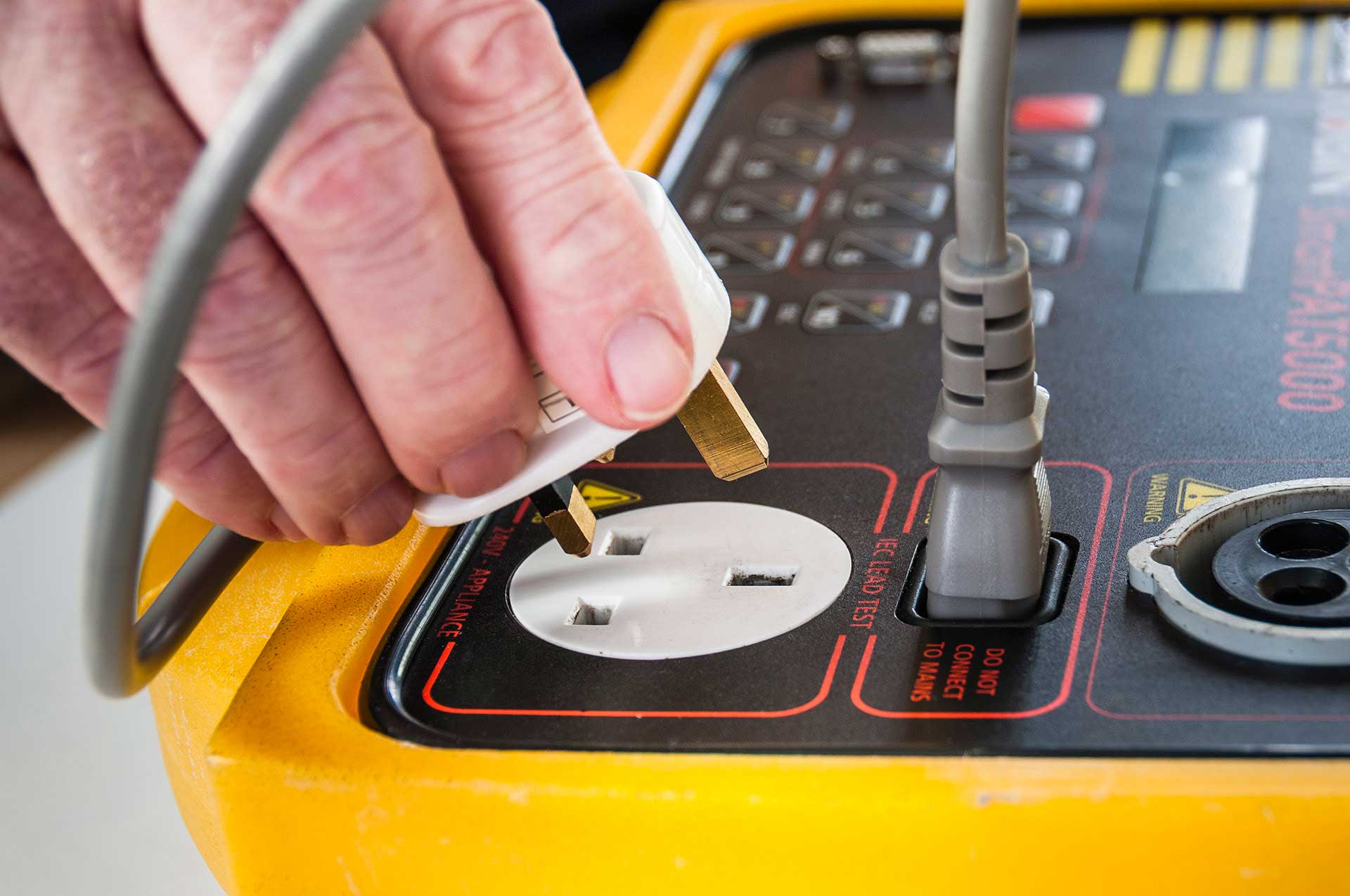
A manual examination of the equipment with a portable appliance tester device (the PAT test)
Any portable electrical appliance (anything with a lead and a plug) needs to be PAT tested. Some examples include laptops and computers, kettles, handheld drills, printers, microwaves etc.
Is PAT testing a legal requirement?
PAT testing is not a legal requirement. The law does state that any electrical equipment in the workplace must be maintained to ensure it is safe and doesn’t pose any risk to the people using it. It doesn’t, however, specify how the equipment should be maintained, or how often.
Generally, PAT testing involves three steps, user checks, a visual inspection and the manual PAT test using a portable appliance tester.
User checks
All users should be trained on how to use the equipment safely. This includes understanding the risks associated with the equipment and how to look out for signs of danger. Every individual should be able to visually check the appliance for any signs of damage and understand whether or not it is safe for use. They should also be able to highlight potential hazards such as trapped cables or water hazards.
Visual inspection
A formal visual inspection should be carried out by a competent member of staff or a professional (an electrical engineer). The HSE says that this process normally flags up 90% of issues with electrical equipment. The equipment should be switched off and unplugged before carrying out this stage of the inspection.
Check the plug for any signs of damage. This includes cracks, burns, or bent pins. When checking the wiring, you should ensure that the live, neutral and earth wires are all tightly connected.
Check the cable for any signs of damage. This could be cuts or fraying. Any exposed wiring is a fail.
Check the appliance itself for damages. This includes cracks, burns, corrosion or other signs of wear and tear.
Check the mains socket for damages. This doesn’t relate to the appliance itself, but it’s worth checking for cracks, signs of overheating and any loose fittings on the plug socket.
Residual current device (RCD) checks. The RCD’s test button will trip if the current flowing through the live conductor is different to that in the neutral.
Manual Examination
Once the visual inspection is complete, it’s time for the manual examination. This is the stage of the Electrical PAT Testing where the portable appliance tester device is introduced. This device will test the appliance for earth continuity, lead polarity and insulation resistance.
Depending on the results, the appliance will receive a pass or fail sticker. Failed appliances should not be used, and should be removed for disposal or repair. Once repaired, it must pass an additional PAT test to be considered safe for use.
Who can carry out a PAT test?
Electrical PAT testing can be carried out by any competent person with the relevant training and equipment. This will likely be a qualified electrician. Interested in learning how to perform PAT testing and other electrical procedures? You might want to consider completing an electrical course.Get in touch with The Skills Centre to learn more about becoming an electrical engineer, or read more about our courses on our website!
Plumbing Course Job Prospects: Career Opportunities After Training
Completing a plumbing course opens doors to a diverse range of career opportunities across multiple industries. The construction sector continues to drive demand for skilled plumbers, whilst emerging technologies and environmental regulations create new specialisation areas. Understanding the employment landscape helps prospective students make informed decisions about their training investment.
Employment Sectors for Qualified Plumbers
Qualified plumbers find employment across numerous sectors, each offering distinct advantages and challenges. The residential sector remains the largest employer, with housing developments, renovations and maintenance work providing steady opportunities. New-build properties require complete plumbing installations, whilst older homes need ongoing repairs and upgrades.
Commercial plumbing offers different prospects, involving office buildings, retail spaces and industrial facilities. These projects typically involve larger-scale systems and may require additional certifications. Healthcare facilities, schools and hospitality venues also employ plumbers for specialised installations and maintenance contracts.
Local authorities and housing associations provide stable employment opportunities, often with structured career progression and comprehensive benefits packages. These roles typically focus on social housing maintenance and public building upkeep.
Utility companies employ plumbers for water supply infrastructure, sewerage systems and gas networks. These positions often require additional training but offer competitive salaries and job security.
Self-Employment and Business Opportunities
Many qualified plumbers choose self-employment, offering flexibility and potentially higher earnings. Starting as a sole trader allows plumbers to build client relationships and develop their reputation gradually. Emergency call-out services, bathroom installations and heating system maintenance form the backbone of many successful plumbing businesses.
Expanding into larger projects requires building a team and obtaining appropriate insurance coverage. Some plumbers develop partnerships with builders, property developers or estate agents to secure regular work streams.
Franchise opportunities exist within the plumbing sector, providing established business models and marketing support. These arrangements typically require initial investment but offer proven systems and ongoing guidance.
Online platforms and apps now connect plumbers directly with customers, creating new business models for service delivery. Building strong online reviews and maintaining professional standards becomes crucial for success in this environment.
Specialisation Areas Within Plumbing
The plumbing industry offers numerous specialisation paths, each requiring additional training and certification. Bathroom and kitchen fitting combines plumbing skills with design elements, appealing to customers seeking complete renovation services.
Heating system installation and maintenance represents a growing specialisation area. Heat pumps, underfloor heating and renewable energy systems require specific knowledge and certification. Heat pump installers generally work to the Microgeneration Certification Scheme (MCS) standards and hold MCS certification, which requires a nominated technical person with demonstrable heat pump training or experience (Energy Saving Trust Heat Pump Installer Toolkit, 2026). Split system heat pumps that use refrigerants also require the installer to be qualified under the F-Gas regulations, and approved heat pump training is offered by bodies such as BPEC, LCL, NICEIC and OFTEC.
Drainage and sewerage work involves different skills and equipment, focusing on underground systems and waste management. This specialisation often commands higher rates due to the technical complexity involved.
Gas work requires separate certification through Gas Safe registration, opening opportunities in boiler installation, servicing and repair. Many plumbers pursue gas qualifications to expand their service offering and increase earning potential.
Smart home technology integration creates emerging opportunities for tech-savvy plumbers. Installing connected water systems, leak detection sensors and automated controls appeals to modern homeowners.
Regional Job Market Variations
Plumbing job opportunities vary significantly across different UK regions. London and the South East typically offer the highest wages but also have higher living costs and increased competition. Major infrastructure projects and continuous development drive demand in these areas.
Northern England and Scotland often provide better work-life balance with lower living costs, though wages may be correspondingly lower. Rural areas may have less competition but also fewer opportunities for specialisation.
Coastal regions experience seasonal variations, with increased demand during tourist seasons but quieter periods in winter months. Understanding local market conditions helps plumbers choose appropriate locations for their careers.
Regeneration projects in former industrial areas create concentrated opportunities for skilled tradespeople. Government investment in social housing and infrastructure improvements drives demand in specific locations.
Career Progression Possibilities
Plumbing careers offer clear progression routes for ambitious individuals. Experienced plumbers can advance to supervisory roles, overseeing teams on larger projects. Site management positions require additional health and safety training but offer increased responsibility and compensation.
Teaching opportunities exist within colleges and training centres, allowing experienced professionals to share their knowledge whilst maintaining industry connections. Assessor roles involve evaluating apprentices and course participants.
Some plumbers transition into related fields such as heating engineering, building services design or facilities management. These roles often require additional qualifications but utilise existing plumbing knowledge as a foundation.
Starting a training business represents another progression route, particularly for plumbers with strong communication skills and industry experience. Developing relationships with employers and apprenticeship providers creates sustainable business opportunities.
Industry Demand and Job Security
The plumbing industry demonstrates strong resilience during economic downturns, as water systems require constant maintenance regardless of economic conditions. Emergency repairs cannot be postponed, providing steady work even during challenging periods.
An ageing workforce creates opportunities for new entrants, as experienced plumbers retire without sufficient replacements. A JTL workforce projection published in October 2026 found that England's plumbing workforce had fallen by 16 per cent since 2018, from 163,500 to 137,800, with 25,700 plumbers leaving the trade, and warned it could shrink by a further 30 per cent by 2039 on current trends (JTL, 2026). The UK Trade Skills Index 2023 estimated the UK will need more than 73,700 new plumbers by 2032 (WaterSafe Register).
Environmental regulations drive demand for system upgrades and replacements. Older properties require modernisation to meet efficiency standards, whilst new regulations create ongoing work opportunities.
Population growth and housing development sustain long-term demand for plumbing services. Immigration and changing demographics influence regional demand patterns.
Technological advances create new opportunities whilst potentially eliminating others. Plumbers who embrace new technologies and maintain current certifications position themselves advantageously for future opportunities.
Skills Centre UK provides comprehensive plumbing training designed to prepare students for these diverse career opportunities. Our courses combine practical skills development with industry knowledge, ensuring graduates enter the workforce with confidence and competence.
Frequently asked questions
What employment sectors hire qualified plumbers?
Qualified plumbers find employment in residential construction, commercial building projects, healthcare facilities, local authorities, housing associations, and utility companies. Each sector offers different opportunities and may require specific additional certifications.
Can plumbers become self-employed after completing training?
Yes, many plumbers choose self-employment, starting as sole traders and potentially expanding into larger businesses. Self-employment offers flexibility and potentially higher earnings, though it requires business skills and appropriate insurance coverage.
What specialisation areas are available within plumbing?
Plumbers can specialise in bathroom and kitchen fitting, heating systems, drainage and sewerage, gas work (requiring Gas Safe registration), and smart home technology integration. Each specialisation requires additional training and certification.
How secure is employment in the plumbing industry?
The plumbing industry offers strong job security as water systems require constant maintenance regardless of economic conditions. An ageing workforce, environmental regulations, and population growth sustain long-term demand for plumbing services.
What career progression opportunities exist for plumbers?
Plumbers can progress to supervisory roles, site management, teaching positions, or start their own training businesses. Some transition into related fields like heating engineering or building services design with additional qualifications.