Did you know that you don’t have to be a qualified electrician in order to carry out PAT testing?
As long as you’re competent to do so, absolutely anyone can check electrical appliances for safety. The most commonly accepted way to be seen as competent is to take a PAT training course and be presented with a Certificate of Competency in PAT testing.
What is PAT Testing?
Portable Appliance Testing, also known as PAT testing, is the examination of portable electrical equipment and appliances to ensure they are safe to use. It generally includes three steps;
Regular, informal checks by the electrical equipment’s user(s)
A formal visual inspection of the equipment
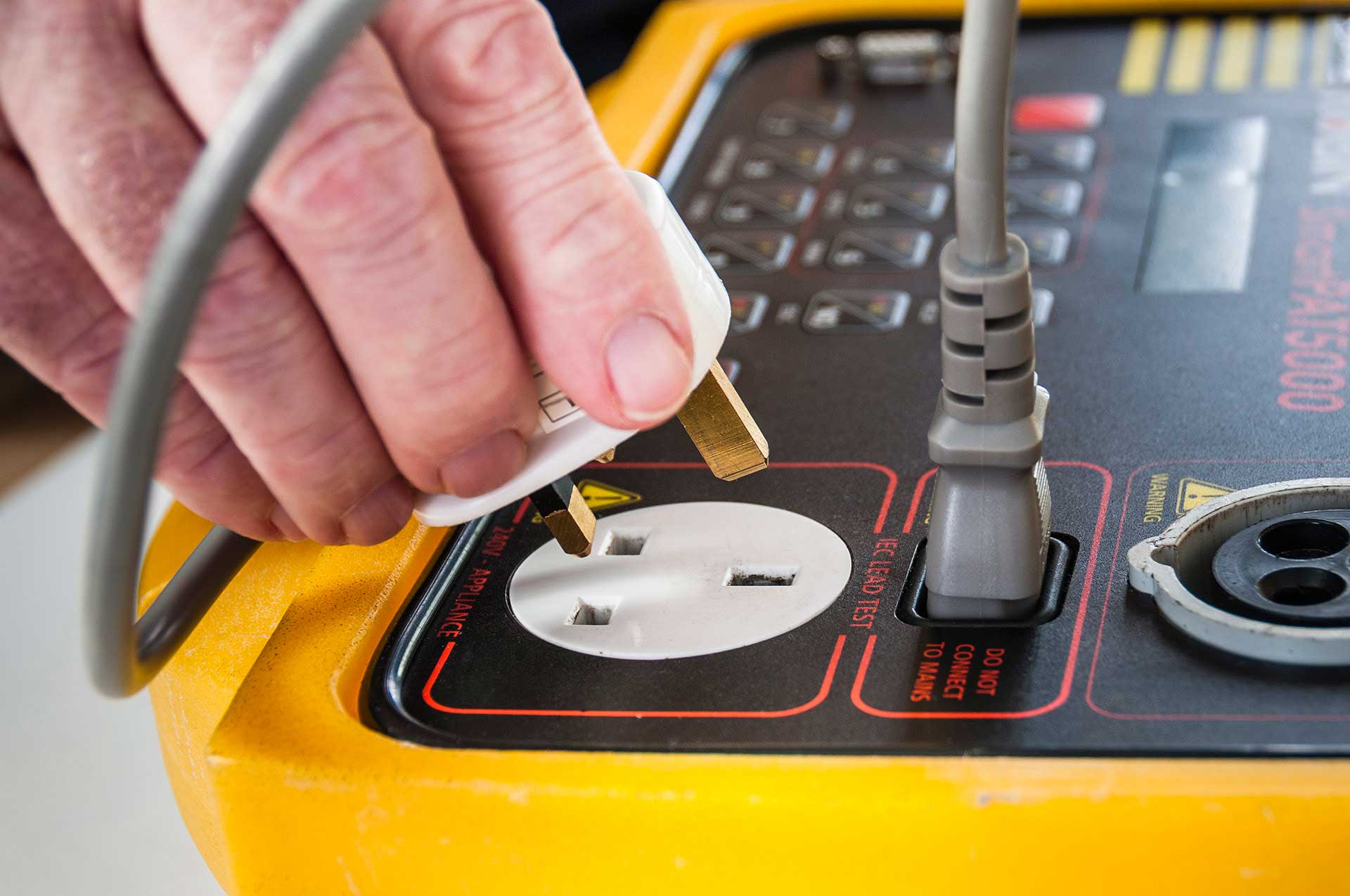
A manual examination of the equipment with a portable appliance tester device (the PAT test)
Any portable electrical appliance (anything with a lead and a plug) needs to be PAT tested. Some examples include laptops and computers, kettles, handheld drills, printers, microwaves etc.
Is PAT testing a legal requirement?
PAT testing is not a legal requirement. The law does state that any electrical equipment in the workplace must be maintained to ensure it is safe and doesn’t pose any risk to the people using it. It doesn’t, however, specify how the equipment should be maintained, or how often.
Generally, PAT testing involves three steps, user checks, a visual inspection and the manual PAT test using a portable appliance tester.
User checks
All users should be trained on how to use the equipment safely. This includes understanding the risks associated with the equipment and how to look out for signs of danger. Every individual should be able to visually check the appliance for any signs of damage and understand whether or not it is safe for use. They should also be able to highlight potential hazards such as trapped cables or water hazards.
Visual inspection
A formal visual inspection should be carried out by a competent member of staff or a professional (an electrical engineer). The HSE says that this process normally flags up 90% of issues with electrical equipment. The equipment should be switched off and unplugged before carrying out this stage of the inspection.
Check the plug for any signs of damage. This includes cracks, burns, or bent pins. When checking the wiring, you should ensure that the live, neutral and earth wires are all tightly connected.
Check the cable for any signs of damage. This could be cuts or fraying. Any exposed wiring is a fail.
Check the appliance itself for damages. This includes cracks, burns, corrosion or other signs of wear and tear.
Check the mains socket for damages. This doesn’t relate to the appliance itself, but it’s worth checking for cracks, signs of overheating and any loose fittings on the plug socket.
Residual current device (RCD) checks. The RCD’s test button will trip if the current flowing through the live conductor is different to that in the neutral.
Manual Examination
Once the visual inspection is complete, it’s time for the manual examination. This is the stage of the Electrical PAT Testing where the portable appliance tester device is introduced. This device will test the appliance for earth continuity, lead polarity and insulation resistance.
Depending on the results, the appliance will receive a pass or fail sticker. Failed appliances should not be used, and should be removed for disposal or repair. Once repaired, it must pass an additional PAT test to be considered safe for use.
Who can carry out a PAT test?
Electrical PAT testing can be carried out by any competent person with the relevant training and equipment. This will likely be a qualified electrician. Interested in learning how to perform PAT testing and other electrical procedures? You might want to consider completing an electrical course.Get in touch with The Skills Centre to learn more about becoming an electrical engineer, or read more about our courses on our website!
NVQ Level 2 Plumbing: Your Foundation Qualification Explained
The NVQ Level 2 Plumbing qualification serves as the essential foundation for anyone starting their career in the plumbing industry. This nationally recognised certification demonstrates your competence in fundamental plumbing skills and opens doors to employment opportunities across the UK.
What Is NVQ Level 2 Plumbing
NVQ Level 2 Plumbing is a competency-based qualification that proves you can perform plumbing tasks safely and effectively in real working environments. Unlike traditional classroom-based learning, this qualification focuses on practical skills and workplace performance.
The qualification is regulated by Ofqual and recognised by employers throughout the UK. It forms part of the standard pathway for becoming a qualified plumber and is often required by employers when hiring apprentices or junior plumbers.
You can complete this qualification through various routes, including apprenticeships, college courses, or adult training programmes. The flexible structure allows you to learn whilst working, making it accessible for career changers and school leavers alike.
Units and Learning Outcomes Covered
The NVQ Level 2 Plumbing qualification comprises several mandatory and optional units that cover the core skills needed in the plumbing industry.
Mandatory units typically include health and safety practices, where you'll learn to identify hazards, use personal protective equipment correctly, and follow safe working procedures. You'll also cover basic plumbing principles, including understanding different pipe materials, fittings, and tools.
Water supply systems form another crucial component. This unit teaches you about cold water systems, hot water systems, and the regulations governing water supply installations. You'll learn to install, maintain, and repair various components within these systems.
Sanitation and drainage units cover waste water systems, soil and vent pipes, and drainage principles. Understanding these systems is essential for any plumber, as problems with drainage can cause significant issues for property owners.
Optional units may include central heating systems, bathroom installations, or specialised areas like rainwater harvesting systems. The specific units you complete will depend on your training provider and career goals.
Assessment Process and Portfolio Building
The assessment process for NVQ Level 2 Plumbing differs significantly from traditional exams. Instead, you'll build a portfolio of evidence that demonstrates your competence in real workplace situations.
Your assessor will observe you performing plumbing tasks and evaluate your work against national standards. These observations might include installing pipes, connecting fittings, or diagnosing system problems. The assessor looks for evidence that you can work safely, accurately, and efficiently.
Portfolio evidence includes photographs of completed work, witness testimonies from supervisors or colleagues, and written reflections on your learning. You'll also need to demonstrate your knowledge through professional discussions with your assessor.
Work-based evidence carries the most weight in your assessment. This means you need access to real plumbing projects, either through employment, work placements, or practical training facilities. Many training providers help arrange work placements to ensure you gain the necessary experience.
The assessment timeline varies depending on your learning route and the time you can dedicate to building evidence. Some learners complete their qualification within the two to four years a plumbing apprenticeship takes, according to Go Construct, whilst others may take longer if studying part-time.
Practical Skills You'll Develop
Throughout your NVQ Level 2 Plumbing qualification, you'll develop a comprehensive range of practical skills that employers value highly.
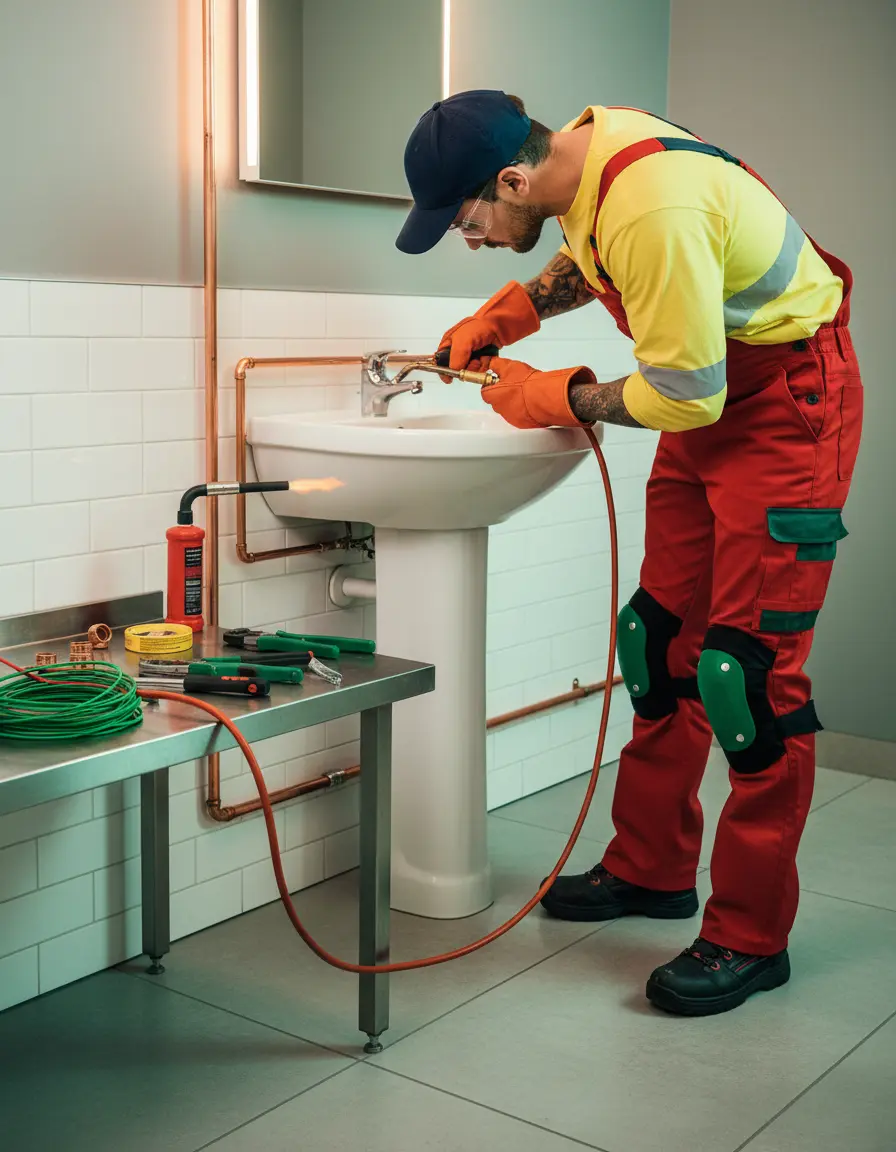
Pipe installation and jointing techniques form a core part of your skill development. You'll learn to work with different materials including copper, plastic, and steel pipes. Mastering various jointing methods, from compression fittings to soldered joints, ensures you can tackle diverse plumbing challenges.
System installation skills include connecting appliances like toilets, basins, and showers to water supply and drainage systems. You'll understand how to plan installations, calculate pipe runs, and ensure proper fall on waste pipes.
Fault diagnosis becomes increasingly important as you progress. Learning to identify common problems like leaks, blockages, or pressure issues helps you provide effective solutions for customers. This analytical thinking sets apart competent plumbers from those who simply follow instructions.
Tool usage and maintenance skills ensure you can work efficiently and safely. You'll become proficient with hand tools, power tools, and specialised plumbing equipment. Understanding when and how to use each tool properly increases your productivity and reduces the risk of accidents.
Progression to Higher Qualifications
Completing your NVQ Level 2 Plumbing opens several pathways for further professional development and specialisation.
NVQ Level 3 Plumbing represents the natural next step for many learners. This advanced qualification covers more complex systems, supervisory responsibilities, and specialised areas like renewable energy systems or commercial plumbing installations.
Gas engineering qualifications become accessible once you have your Level 2 foundation. Gas Safe Engineer Course training allows you to work on gas appliances and systems, significantly expanding your earning potential and job opportunities.
Specialist certifications in areas like unvented hot water systems, water regulations, or green technologies can enhance your expertise and marketability. These additional qualifications often command higher rates and open doors to niche markets.
Many successful plumbers eventually progress to running their own businesses. Your NVQ Level 2 provides the technical foundation, but you might also consider business skills training to support entrepreneurial ambitions.
Employment Opportunities with Level 2
Your NVQ Level 2 Plumbing qualification creates access to various entry-level positions across the plumbing industry.
Plumbing apprenticeships become available with many employers actively seeking candidates with Level 2 qualifications. These positions offer structured learning opportunities whilst earning a wage, making them attractive for career starters.
Maintenance roles in social housing, commercial properties, or facilities management companies often require Level 2 qualified plumbers. These positions typically involve reactive maintenance, planned preventive work, and minor installations.
Self-employment opportunities exist for motivated individuals, though building a customer base takes time and business acumen. Many newly qualified plumbers start by taking on small domestic jobs whilst building their reputation and skills.
Construction companies frequently hire Level 2 qualified plumbers for new build projects, renovations, and refurbishment work. These roles expose you to different types of plumbing systems and construction methods.
The plumbing industry consistently shows strong demand for qualified professionals. According to the Office for National Statistics' Annual Population Survey, around 148,600 people worked as plumbers and heating and ventilating installers in the UK in the year to June 2026. Your Level 2 qualification provides the foundation for a stable, rewarding career with opportunities for progression and specialisation.
If you're considering starting your plumbing career or looking to formalise existing skills, exploring adult plumbing courses can help you understand the training options available to achieve your NVQ Level 2 Plumbing qualification.
Frequently asked questions
How long does it take to complete NVQ Level 2 Plumbing?
The completion time varies depending on your learning route and available time for study. Full-time apprenticeships typically take 12-24 months, whilst part-time courses may take longer. The key factor is building sufficient workplace evidence to demonstrate competence.
Can I complete NVQ Level 2 Plumbing without prior experience?
Yes, NVQ Level 2 Plumbing is designed as an entry-level qualification. However, you'll need access to real plumbing work environments to build the required portfolio evidence. Many training providers help arrange work placements for beginners.
What's the difference between NVQ Level 2 and Level 3 Plumbing?
NVQ Level 2 covers fundamental plumbing skills and basic system installations. Level 3 involves more complex systems, design responsibilities, supervisory skills, and specialised areas like renewable energy systems. Level 2 is typically required before progressing to Level 3.
Do I need NVQ Level 2 to become self-employed as a plumber?
Whilst not legally required, NVQ Level 2 Plumbing is highly recommended for self-employment. It demonstrates professional competence to customers and insurance providers. Many clients and larger contracts specifically require qualified tradespeople.
Can NVQ Level 2 Plumbing lead to gas engineering qualifications?
Yes, NVQ Level 2 Plumbing provides an excellent foundation for gas engineering training. The plumbing knowledge and practical skills transfer well to gas work, though you'll need separate Gas Safe qualifications to work legally on gas systems.