
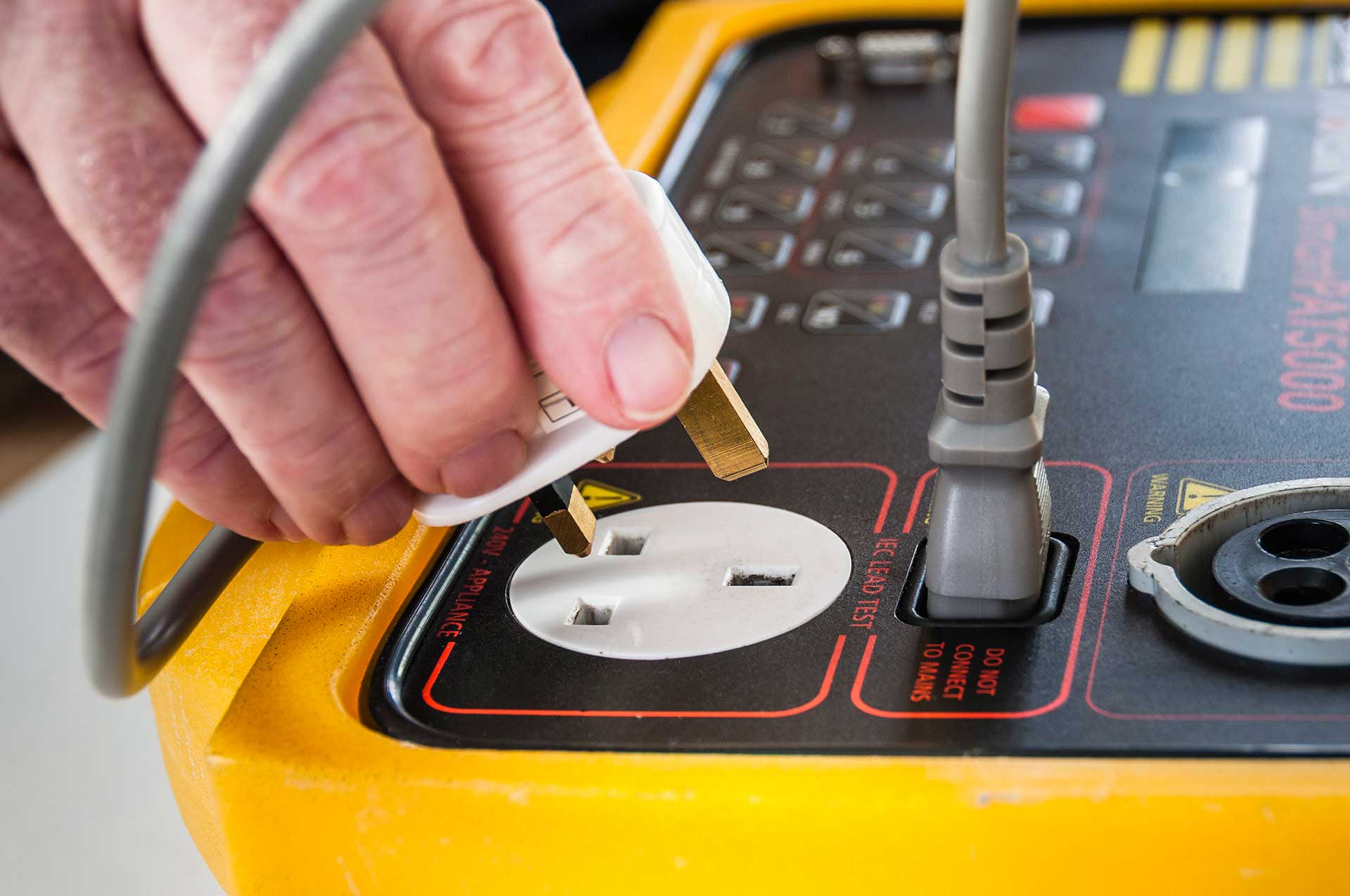
Our guide to PAT Testing

Pat testing new

Did you know that you don’t have to be a qualified electrician in order to carry out PAT testing?

As long as you’re competent to do so, absolutely anyone can check electrical appliances for safety. The most commonly accepted way to be seen as competent is to take a PAT training course and be presented with a Certificate of Competency in PAT testing.

What is PAT Testing? 

Portable Appliance Testing, also known as PAT testing, is the examination of portable electrical equipment and appliances to ensure they are safe to use. It generally includes three steps; 

  1. Regular, informal checks by the electrical equipment’s user(s) 
  2. A formal visual inspection of the equipment 
  3. A manual examination of the equipment with a portable appliance tester device (the PAT test)

Any portable electrical appliance (anything with a lead and a plug) needs to be PAT tested. Some examples include laptops and computers, kettles, handheld drills, printers, microwaves etc.

Is PAT testing a legal requirement? 

PAT testing is not a legal requirement. The law does state that any electrical equipment in the workplace must be maintained to ensure it is safe and doesn’t pose any risk to the people using it. It doesn’t, however, specify how the equipment should be maintained, or how often. 

PAT testing is recommended by professionals as the best way to meet these health and safety obligations and to protect yourself and your employees. 

What does electrical PAT testing involve?

Generally, PAT testing involves three steps, user checks, a visual inspection and the manual PAT test using a portable appliance tester. 

User checks

All users should be trained on how to use the equipment safely. This includes understanding the risks associated with the equipment and how to look out for signs of danger. Every individual should be able to visually check the appliance for any signs of damage and understand whether or not it is safe for use. They should also be able to highlight potential hazards such as trapped cables or water hazards. 

Visual inspection 

A formal visual inspection should be carried out by a competent member of staff or a professional (an electrical engineer). The HSE says that this process normally flags up 90% of issues with electrical equipment. The equipment should be switched off and unplugged before carrying out this stage of the inspection. 

  • Check the plug for any signs of damage. This includes cracks, burns, or bent pins. When checking the wiring, you should ensure that the live, neutral and earth wires are all tightly connected. 
  • Check the cable for any signs of damage. This could be cuts or fraying. Any exposed wiring is a fail.
  • Check the appliance itself for damages. This includes cracks, burns, corrosion or other signs of wear and tear.
  • Check the mains socket for damages. This doesn’t relate to the appliance itself, but it’s worth checking for cracks, signs of overheating and any loose fittings on the plug socket. 
  • Residual current device (RCD) checks. The RCD’s test button will trip if the current flowing through the live conductor is different to that in the neutral. 

Manual Examination 

Once the visual inspection is complete, it’s time for the manual examination. This is the stage of the Electrical PAT Testing where the portable appliance tester device is introduced. This device will test the appliance for earth continuity, lead polarity and insulation resistance.

Depending on the results, the appliance will receive a pass or fail sticker. Failed appliances should not be used, and should be removed for disposal or repair. Once repaired, it must pass an additional PAT test to be considered safe for use. 

Who can carry out a PAT test? 

Electrical PAT testing can be carried out by any competent person with the relevant training and equipment. This will likely be a qualified electrician. Interested in learning how to perform PAT testing and other electrical procedures? You might want to consider completing an electrical course.Get in touch with The Skills Centre to learn more about becoming an electrical engineer, or read more about our courses on our website!
Post Info :
Share this :

Other posts you may like

How Long Does a Plumbing Course Take to Complete

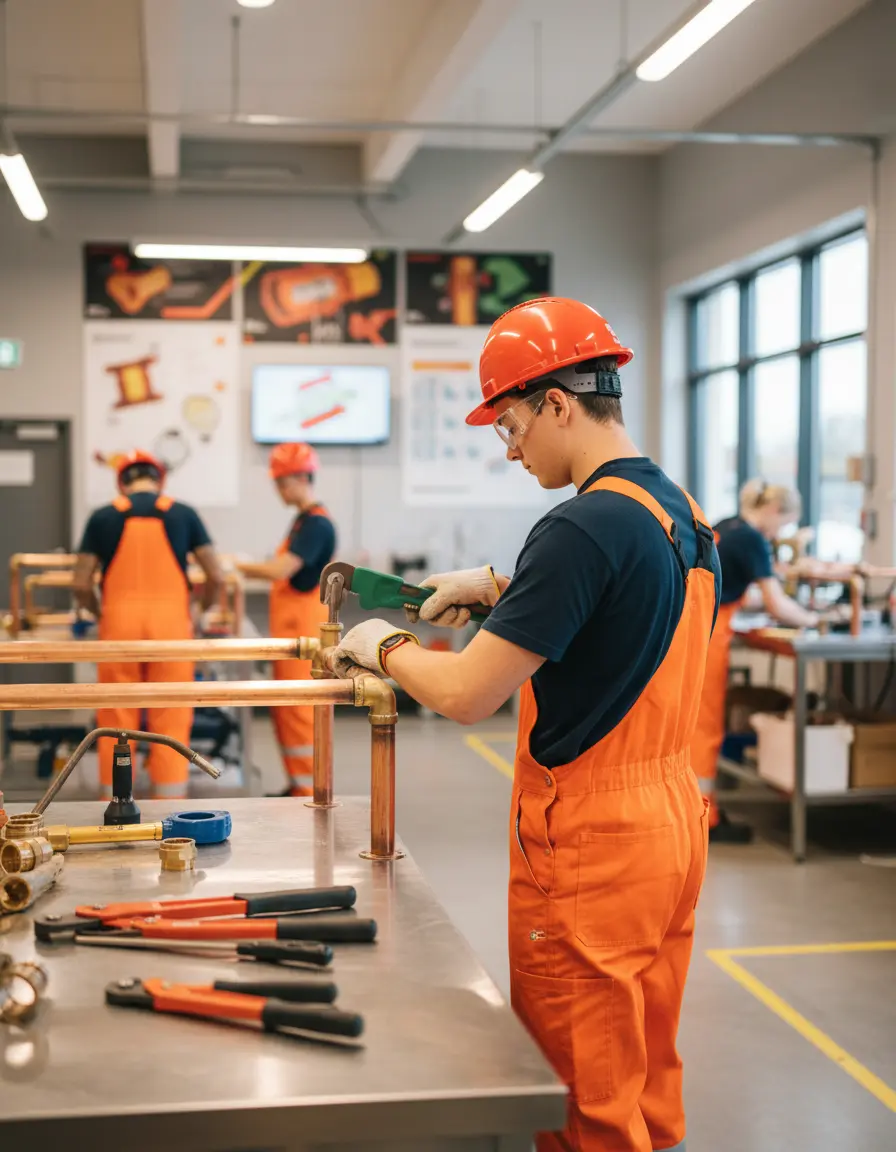
Plumber trainee learning pipe fitting in training workshop

Planning your journey into plumbing requires understanding the time commitment involved in professional training. Course durations vary significantly depending on the format you choose, your existing experience, and the depth of training required for your career goals.

Full-Time Course Durations

Full-time plumbing courses typically range from 6 to 18 weeks for basic certification programmes. These intensive courses cover essential skills including pipe fitting, water systems, heating installations, and safety regulations.

Level 1 plumbing courses usually take 6 to 8 weeks when studied full-time. These introductory programmes teach fundamental skills and provide a foundation for further training.

Level 2 plumbing courses extend to 12 to 18 weeks full-time. These comprehensive programmes include practical workshops, theory sessions, and preparation for industry qualifications. Students learn advanced techniques in domestic plumbing, central heating systems, and bathroom installations.

Level 3 courses can take up to 24 weeks full-time. These advanced programmes prepare students for complex commercial installations and supervisory roles within the industry.

Part-Time and Evening Options

Part-time plumbing courses accommodate working professionals and those with other commitments. These programmes typically extend over 6 to 12 months, with classes held during evenings or weekends.

Evening courses usually run two to three nights per week, with each session lasting 3 to 4 hours. This format allows you to maintain your current employment while gaining new qualifications.

Weekend courses concentrate learning into intensive Saturday or Sunday sessions. Some providers offer block release programmes where students attend for several consecutive days each month.

The extended timeline of part-time courses allows for better retention of information and provides more opportunities to practice skills between sessions.

Intensive Training Programmes

Intensive plumbing courses compress learning into accelerated timeframes. These fast-track programmes typically last 2 to 6 weeks and focus on essential skills needed for immediate employment.

Bootcamp-style courses run for 2 to 4 weeks with daily sessions lasting 6 to 8 hours. These programmes suit career changers who need rapid qualification for employment opportunities.

Some intensive courses combine online theory with practical workshops. Students complete theoretical components at their own pace before attending concentrated hands-on training sessions.

These programmes require significant commitment but enable faster entry into the plumbing profession. However, they may not provide the same depth of knowledge as longer courses.

Factors Affecting Course Length

Several factors influence how long your plumbing course will take to complete:

Prior Experience: Students with construction or DIY backgrounds often progress faster through practical components. Previous experience with tools and basic building knowledge can reduce learning time.

Learning Pace: Individual learning speeds vary considerably. Some students grasp concepts quickly while others benefit from additional practice time and support.

Course Level: Entry-level courses take less time than advanced programmes. Higher-level qualifications require more comprehensive training and assessment.

Attendance Requirements: Consistent attendance accelerates progress. Missing sessions can extend course duration as students need catch-up time.

Assessment Methods: Courses with continuous assessment may progress faster than those requiring formal examinations at the end.

Practical Components: Hands-on training takes longer than theory-only programmes. Developing practical skills requires repetition and supervised practice.

Apprenticeship Timelines

Plumbing apprenticeships follow a different timeline structure, typically lasting 2 to 4 years. These programmes combine workplace learning with formal education, providing comprehensive training while earning a salary.

Level 2 plumbing apprenticeships usually take 18 to 24 months. Apprentices spend time in college learning theory and in the workplace developing practical skills under supervision.

Level 3 advanced apprenticeships extend to 3 to 4 years. These programmes include additional specialisations such as renewable energy systems or commercial installations.

Apprenticeship duration depends on the employer's training programme and the apprentice's progress. Some motivated individuals complete their training faster, while others may need additional time to master complex skills.

The extended timeline allows apprentices to gain extensive real-world experience while building their qualifications gradually.

Fast-Track vs Comprehensive Training

Choosing between fast-track and comprehensive training depends on your career goals and circumstances.

Fast-track courses offer quick entry into employment but may require additional training later. These programmes focus on essential skills needed for basic plumbing work.

Comprehensive courses provide deeper knowledge and broader skills. Students learn advanced techniques, business skills, and specialised areas like renewable energy systems.

Fast-track graduates often need to supplement their training with additional courses as they gain experience. This approach works well for those needing immediate employment.

Comprehensive training produces more versatile plumbers capable of handling complex installations from the start. This investment in education often leads to better employment opportunities and higher earning potential.

Consider your financial situation, career timeline, and learning preferences when choosing between these approaches. Both paths can lead to successful plumbing careers with the right commitment and continued learning.

If you're ready to start your plumbing career, explore our range of training programmes designed to fit different schedules and career goals. Our experienced instructors provide practical, industry-relevant training that prepares you for success in the plumbing profession.

Frequently asked questions

How long is a basic plumbing course?

A basic full-time plumbing course typically takes 6 to 18 weeks to complete, depending on the level and depth of training. Level 1 courses usually last 6-8 weeks, while Level 2 courses take 12-18 weeks.

Can I do a plumbing course part-time?

Yes, part-time plumbing courses are available and typically take 6 to 12 months to complete. These courses run during evenings or weekends to accommodate working professionals.

How long does a plumbing apprenticeship take?

Plumbing apprenticeships usually take 2 to 4 years to complete. Level 2 apprenticeships typically last 18-24 months, while Level 3 advanced apprenticeships can take 3-4 years.

Are there fast-track plumbing courses available?

Yes, intensive fast-track plumbing courses are available and typically last 2 to 6 weeks. These accelerated programmes focus on essential skills for immediate employment but may require additional training later.

What factors affect how long a plumbing course takes?

Course duration depends on your prior experience, learning pace, course level, attendance, assessment methods, and the amount of practical training included in the programme.