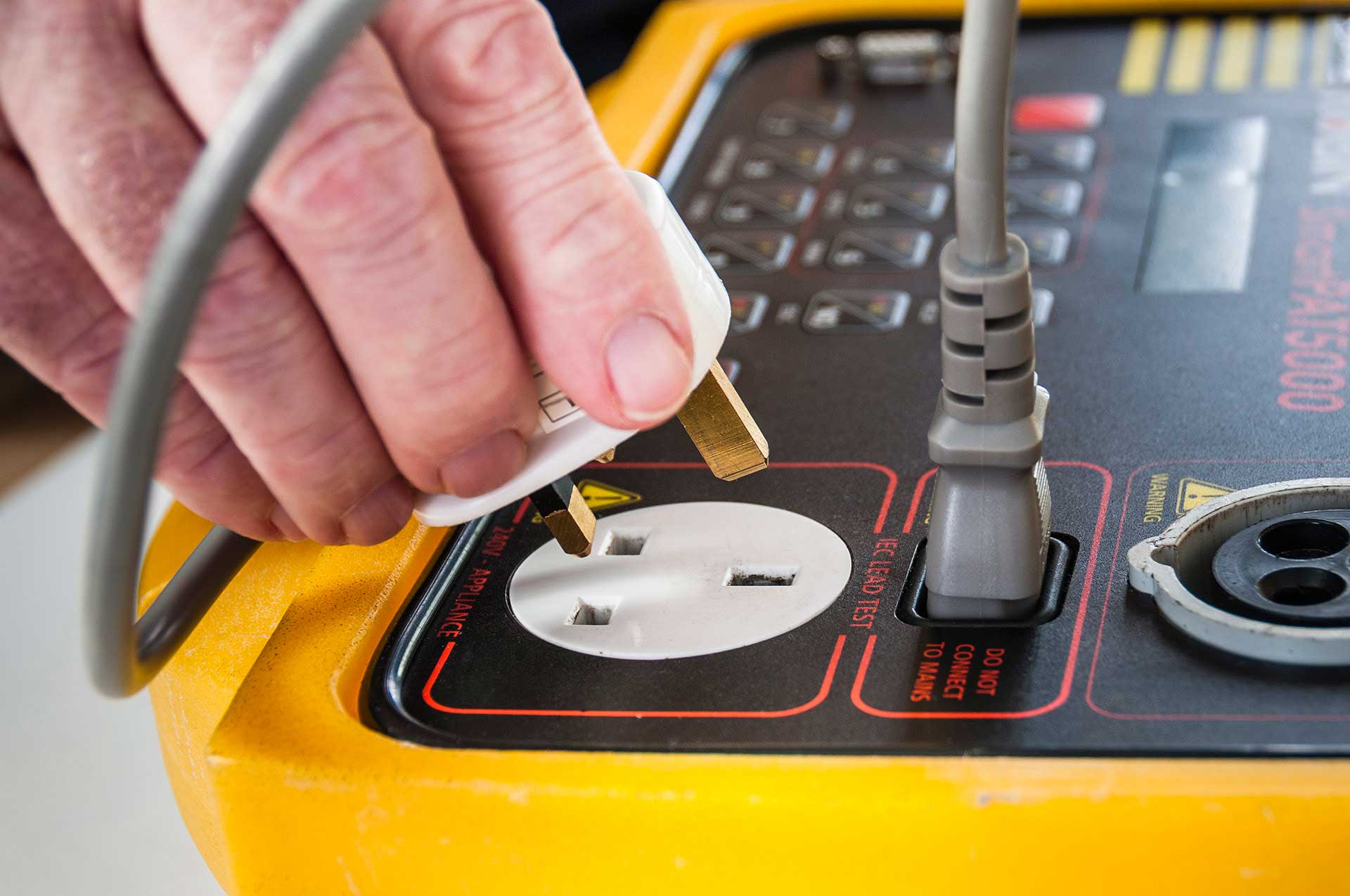
Did you know that you don’t have to be a qualified electrician in order to carry out PAT testing?
As long as you’re competent to do so, absolutely anyone can check electrical appliances for safety. The most commonly accepted way to be seen as competent is to take a PAT training course and be presented with a Certificate of Competency in PAT testing.
What is PAT Testing?
Portable Appliance Testing, also known as PAT testing, is the examination of portable electrical equipment and appliances to ensure they are safe to use. It generally includes three steps;
Regular, informal checks by the electrical equipment’s user(s)
A formal visual inspection of the equipment
A manual examination of the equipment with a portable appliance tester device (the PAT test)
Any portable electrical appliance (anything with a lead and a plug) needs to be PAT tested. Some examples include laptops and computers, kettles, handheld drills, printers, microwaves etc.
Is PAT testing a legal requirement?
PAT testing is not a legal requirement. The law does state that any electrical equipment in the workplace must be maintained to ensure it is safe and doesn’t pose any risk to the people using it. It doesn’t, however, specify how the equipment should be maintained, or how often.
Generally, PAT testing involves three steps, user checks, a visual inspection and the manual PAT test using a portable appliance tester.
User checks
All users should be trained on how to use the equipment safely. This includes understanding the risks associated with the equipment and how to look out for signs of danger. Every individual should be able to visually check the appliance for any signs of damage and understand whether or not it is safe for use. They should also be able to highlight potential hazards such as trapped cables or water hazards.
Visual inspection
A formal visual inspection should be carried out by a competent member of staff or a professional (an electrical engineer). The HSE says that this process normally flags up 90% of issues with electrical equipment. The equipment should be switched off and unplugged before carrying out this stage of the inspection.
Check the plug for any signs of damage. This includes cracks, burns, or bent pins. When checking the wiring, you should ensure that the live, neutral and earth wires are all tightly connected.
Check the cable for any signs of damage. This could be cuts or fraying. Any exposed wiring is a fail.
Check the appliance itself for damages. This includes cracks, burns, corrosion or other signs of wear and tear.
Check the mains socket for damages. This doesn’t relate to the appliance itself, but it’s worth checking for cracks, signs of overheating and any loose fittings on the plug socket.
Residual current device (RCD) checks. The RCD’s test button will trip if the current flowing through the live conductor is different to that in the neutral.
Manual Examination
Once the visual inspection is complete, it’s time for the manual examination. This is the stage of the Electrical PAT Testing where the portable appliance tester device is introduced. This device will test the appliance for earth continuity, lead polarity and insulation resistance.
Depending on the results, the appliance will receive a pass or fail sticker. Failed appliances should not be used, and should be removed for disposal or repair. Once repaired, it must pass an additional PAT test to be considered safe for use.
Who can carry out a PAT test?
Electrical PAT testing can be carried out by any competent person with the relevant training and equipment. This will likely be a qualified electrician. Interested in learning how to perform PAT testing and other electrical procedures? You might want to consider completing an electrical course.Get in touch with The Skills Centre to learn more about becoming an electrical engineer, or read more about our courses on our website!
Gas Safe Engineer Course: How to Choose a Training Provider You Can Trust
Choosing a gas safe engineer course is a big decision. You are giving up time, energy and money to start a new career, so you want to be sure the training will actually take you where you want to go. The good news is that a few simple checks will tell you a lot about a provider before you commit.
This guide walks you through what to look for, what to ask, and which warning signs should make you think twice.
Why the choice of provider matters
Gas work is regulated for good reason. Mistakes with gas appliances can put people at serious risk, so the training is demanding and the standards are high. In the UK, anyone who works on gas appliances must be on the Gas Safe Register.
Here is the part that catches people out. A course on its own does not put you on the register. You need to complete the right training and pass the required assessments before you can register. A good provider is open about this and shapes its training around getting you ready for those assessments.
A poor choice can mean wasted months, repeated fees or a certificate that does not lead anywhere. A good one gives you practical skills, confidence and a clear path into work.
Checking accreditation and awarding bodies
This is the first thing to look at. A reputable provider should be able to tell you, in plain language:
Which awarding body the qualification comes from
Which assessments you will need to complete for gas work, and where they take place
What you will hold at the end of the course
What you still need to do afterwards to register and work legally
Do not rely on a logo on a website. Ask for the details in writing and check them yourself with the awarding body or the Gas Safe Register. If a provider is happy to explain and point you to where you can verify things, that is a good sign.
If you want a closer look at how the training connects to registration, our guide to the [Gas Safe Register course](Gas Safe Register Course: Essential Training for Gas Engineers) explains what the training involves.
Facilities and equipment
Gas engineering is a hands-on trade. You cannot learn it from slides alone, so the training space matters.
When you visit or speak to a provider, ask:
Will I work on real appliances and realistic gas installations?
How much of the course is practical, and how much is classroom based?
Is the equipment similar to what I will meet on the job?
How many learners share a workstation?
If you can, visit in person. Look at whether the workshop is tidy, organised and well maintained. Safety is a big part of gas work, and a training centre should model good habits from day one.
Instructor experience
The best tutors have worked in the trade and know what site work is really like. They can explain why something is done a certain way, not just how.
Questions worth asking:
Have the tutors worked as gas engineers?
How much one-to-one time will I get during practical sessions?
What support is there if I struggle with a topic?
A friendly, approachable teaching team makes a real difference, especially if you are changing careers and have not studied for a while. Good tutors will welcome questions rather than make you feel awkward for asking.
Clear course information and honest expectations
A trustworthy provider is upfront. Before you enrol, you should know:
What the course covers, topic by topic
How it is taught and assessed
What entry requirements apply, if any
The full cost, including assessment and any additional fees
What time commitment to expect
What happens if you need to retake part of an assessment
Be wary of anything vague. If you cannot get a straight answer on what is included, ask again. A good provider would rather you understand everything now than feel surprised later.
It also helps to understand the different routes available. If you are weighing up an [apprenticeship or a course](Gas Engineer Apprenticeship vs Course: Which Route to Choose), a good adviser will talk you through both honestly, based on your circumstances rather than what is easiest to sell.
Red flags to look out for
No single warning sign means a provider is unsuitable, but several together should make you pause.
Guaranteed outcomes. Nobody can promise you a job or an instant career. Be cautious of anyone who does.
Pressure to sign up quickly. A good course will still be there after you have had time to think.
Vague answers about accreditation. If they cannot explain who awards the qualification, ask why.
Little or no practical training. Gas work is a practical skill. Training should reflect that.
Hidden extras. If the full cost only becomes clear after you have paid a deposit, step back.
No chance to see the facilities or meet the team. Reputable providers are generally happy to show you around or arrange a call.
Unclear about registration. If they imply the course alone makes you Gas Safe registered, check the details carefully.
Think about where you are starting from
Your background affects which course is right. Complete beginners need a provider that builds knowledge from the ground up. Those with plumbing experience may want a different path. Our article on [gas engineer training from beginner to professional](Gas Engineer Training: From Beginner to Professional) sets out how that progression can look.
If you want to work across both trades, it is also worth reading about a [gas and plumbing dual qualification](Gas Plumbing Course: Dual Qualification Training), which can widen the kind of work you can take on.
And if you are comparing plumbing options too, see [how long a plumbing course takes to complete](How Long Does a Plumbing Course Take to Complete) to help you plan around work and family.
Speaking to a training adviser
Once you have a shortlist, talk to someone. A conversation with a training adviser is the quickest way to find out whether a provider is right for you.
Come with a list of questions:
Which qualification will I finish with, and who awards it?
What else do I need to do before I can register and work legally?
How much of the course is practical?
What is the total cost, and what does it include?
How will the course fit around my current job or commitments?
What support is available if I need extra help?
Pay attention to how the adviser responds. You want clear, patient answers, not a hard sell. If they ask about your goals and experience before recommending a course, that is a good sign.
Ready to take the next step?
Skills Centre UK offers gas engineer courses and apprenticeships, along with plumbing courses and apprenticeships, for people across the UK who want to build a career in the trades. If you would like to talk through your options, get in touch with our team. We will answer your questions honestly and help you work out the route that suits you.
Frequently asked questions
Does a gas safe engineer course make me Gas Safe registered?
Not on its own. You need to complete the relevant training and pass the required assessments before you can apply to join the Gas Safe Register. A good provider will explain these steps clearly before you enrol.
How can I check a gas engineer training provider is reputable?
Ask which awarding body issues the qualification, what assessments are involved and what you will hold at the end. Get the answers in writing and verify them with the awarding body or the Gas Safe Register.
What should a good gas engineer course include?
A good course combines theory with plenty of hands-on practice on realistic gas installations and appliances, taught by tutors with trade experience. It should also come with clear information on assessment, costs and time commitment.
What are the warning signs of an unsuitable training provider?
Watch for guaranteed job promises, pressure to sign up quickly, vague answers about accreditation, very little practical training and unclear costs. Reluctance to let you see the facilities or speak to staff is also a red flag.
Should I choose a gas engineer course or an apprenticeship?
It depends on your circumstances, such as whether you want to earn while you learn and how quickly you want to train. A good adviser will talk you through both routes so you can choose what fits.