
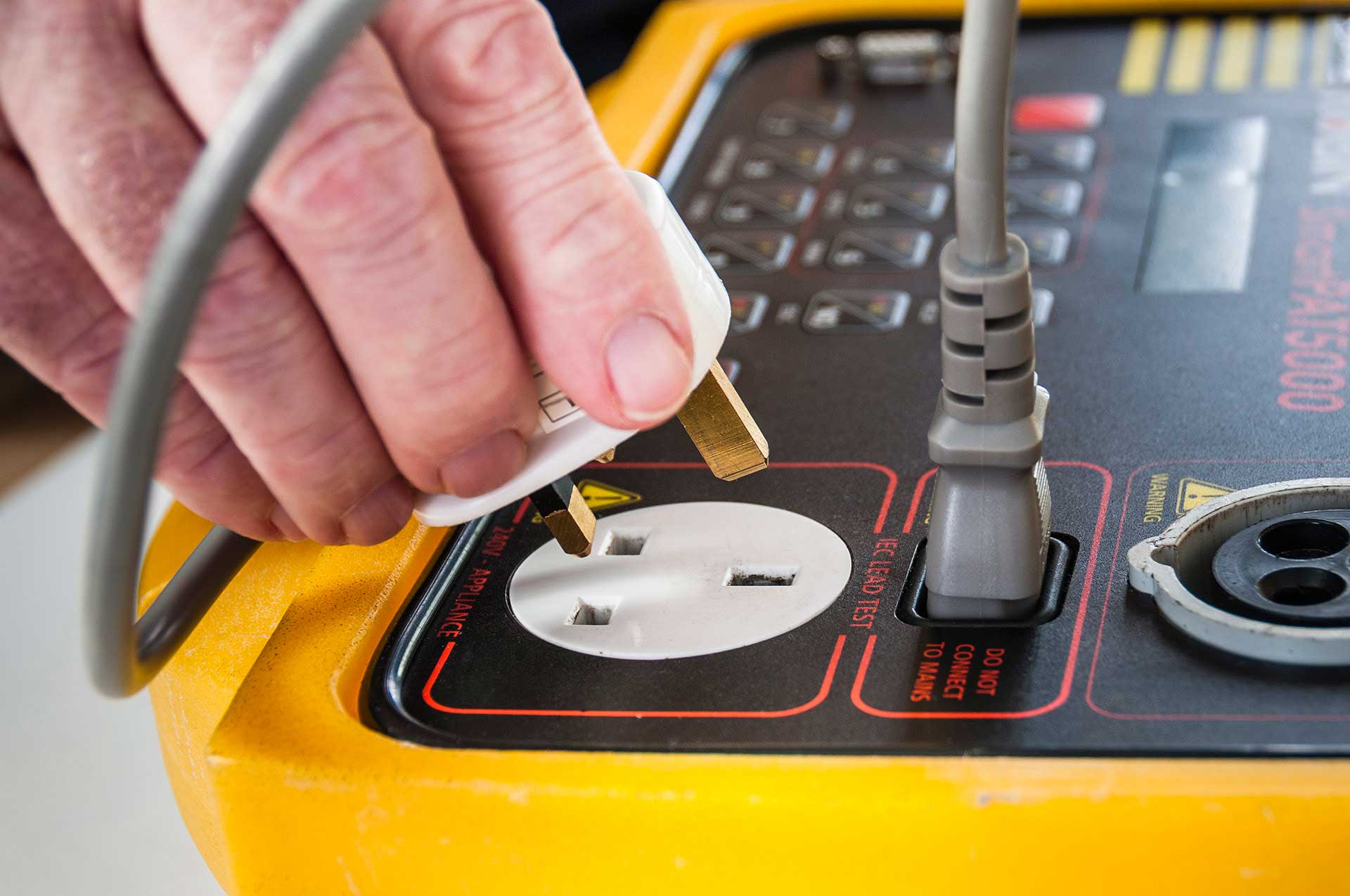
Our guide to PAT Testing

Pat testing new

Did you know that you don’t have to be a qualified electrician in order to carry out PAT testing?

As long as you’re competent to do so, absolutely anyone can check electrical appliances for safety. The most commonly accepted way to be seen as competent is to take a PAT training course and be presented with a Certificate of Competency in PAT testing.

What is PAT Testing? 

Portable Appliance Testing, also known as PAT testing, is the examination of portable electrical equipment and appliances to ensure they are safe to use. It generally includes three steps; 

  1. Regular, informal checks by the electrical equipment’s user(s) 
  2. A formal visual inspection of the equipment 
  3. A manual examination of the equipment with a portable appliance tester device (the PAT test)

Any portable electrical appliance (anything with a lead and a plug) needs to be PAT tested. Some examples include laptops and computers, kettles, handheld drills, printers, microwaves etc.

Is PAT testing a legal requirement? 

PAT testing is not a legal requirement. The law does state that any electrical equipment in the workplace must be maintained to ensure it is safe and doesn’t pose any risk to the people using it. It doesn’t, however, specify how the equipment should be maintained, or how often. 

PAT testing is recommended by professionals as the best way to meet these health and safety obligations and to protect yourself and your employees. 

What does electrical PAT testing involve?

Generally, PAT testing involves three steps, user checks, a visual inspection and the manual PAT test using a portable appliance tester. 

User checks

All users should be trained on how to use the equipment safely. This includes understanding the risks associated with the equipment and how to look out for signs of danger. Every individual should be able to visually check the appliance for any signs of damage and understand whether or not it is safe for use. They should also be able to highlight potential hazards such as trapped cables or water hazards. 

Visual inspection 

A formal visual inspection should be carried out by a competent member of staff or a professional (an electrical engineer). The HSE says that this process normally flags up 90% of issues with electrical equipment. The equipment should be switched off and unplugged before carrying out this stage of the inspection. 

  • Check the plug for any signs of damage. This includes cracks, burns, or bent pins. When checking the wiring, you should ensure that the live, neutral and earth wires are all tightly connected. 
  • Check the cable for any signs of damage. This could be cuts or fraying. Any exposed wiring is a fail.
  • Check the appliance itself for damages. This includes cracks, burns, corrosion or other signs of wear and tear.
  • Check the mains socket for damages. This doesn’t relate to the appliance itself, but it’s worth checking for cracks, signs of overheating and any loose fittings on the plug socket. 
  • Residual current device (RCD) checks. The RCD’s test button will trip if the current flowing through the live conductor is different to that in the neutral. 

Manual Examination 

Once the visual inspection is complete, it’s time for the manual examination. This is the stage of the Electrical PAT Testing where the portable appliance tester device is introduced. This device will test the appliance for earth continuity, lead polarity and insulation resistance.

Depending on the results, the appliance will receive a pass or fail sticker. Failed appliances should not be used, and should be removed for disposal or repair. Once repaired, it must pass an additional PAT test to be considered safe for use. 

Who can carry out a PAT test? 

Electrical PAT testing can be carried out by any competent person with the relevant training and equipment. This will likely be a qualified electrician. Interested in learning how to perform PAT testing and other electrical procedures? You might want to consider completing an electrical course.Get in touch with The Skills Centre to learn more about becoming an electrical engineer, or read more about our courses on our website!
Post Info :
Share this :

Other posts you may like

Gas Plumbing Course: Dual Qualification Training

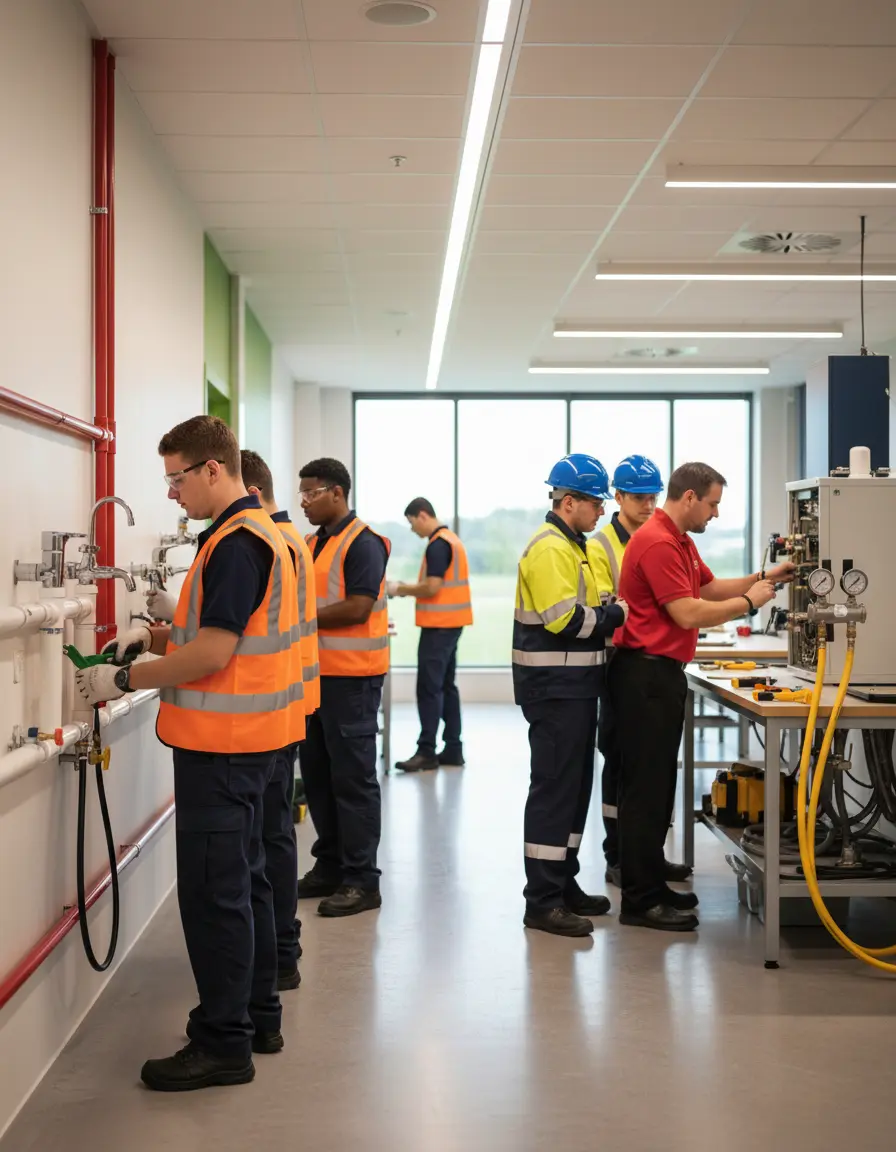
Students training on gas and plumbing equipment in professional workshop

A gas plumbing course offers comprehensive training that combines both gas engineering and plumbing skills into one programme. This dual qualification approach provides students with expertise in two complementary trades, making them more versatile and employable in the construction and maintenance sectors.

Benefits of Combined Gas and Plumbing Training

Combining gas and plumbing training creates significant advantages for students entering the trades. The skills complement each other naturally, as many domestic and commercial properties require both plumbing systems and gas appliances.

Students who complete dual training become more attractive to employers because they can handle a wider range of jobs. This versatility often leads to increased earning potential and more varied work opportunities. Many heating engineers, for example, need both gas and plumbing knowledge to install and maintain central heating systems effectively.

The integrated approach also saves time compared to taking separate courses. Students learn how gas and water systems interact, which provides a deeper understanding of both trades. This knowledge proves invaluable when diagnosing problems or planning installations that involve both systems.

Course Structure and Content

Gas plumbing courses typically cover fundamental principles of both trades before progressing to more advanced topics. The curriculum includes theoretical knowledge alongside practical skills development.

Plumbing components usually cover water supply systems, drainage, pipe installation techniques, and fault diagnosis. Students learn about different pipe materials, joining methods, and system design principles. The training includes working with copper, plastic, and other modern piping materials.

Gas engineering elements focus on gas safety regulations, appliance installation, and maintenance procedures. Students study combustion principles, gas flow calculations, and safety testing methods. The course covers domestic gas appliances including boilers, cookers, and fires.

Health and safety forms a crucial part of the curriculum. Students learn about risk assessment, safe working practices, and emergency procedures. This knowledge is essential for both trades, as working with gas and water systems carries inherent risks.

Qualification Pathways Available

Several qualification routes exist for students pursuing combined gas and plumbing training. The specific qualifications depend on the training provider and the student's career goals.

City & Guilds qualifications are widely recognised in the industry. These include Level 2 and Level 3 diplomas that cover both plumbing and heating aspects. The qualifications provide a solid foundation for further specialisation.

Gas Safe registration represents a legal requirement for anyone working with gas appliances. Students typically work towards ACS (Appliance Certification Scheme) qualifications, which enable Gas Safe registration upon completion.

Some courses also include additional certifications such as unvented hot water systems or renewable energy technologies. These extra qualifications enhance employment prospects and allow graduates to work on a broader range of systems.

Practical Training Components

Hands-on experience forms the backbone of effective gas plumbing courses. Training centres provide realistic workshop environments where students can practice their skills safely.

Plumbing workshops typically include pipe bending, soldering, and system installation exercises. Students work on mock bathroom and kitchen setups to simulate real-world conditions. This practical experience builds confidence and competence before entering the workplace.

Gas training requires specialised equipment and safety measures. Students practice on training appliances under close supervision, learning proper installation and testing procedures. The training includes using gas detection equipment and performing safety checks.

Many courses incorporate real-world scenarios and problem-solving exercises. Students might diagnose faults in existing systems or plan installations for different property types. This approach develops critical thinking skills essential for successful tradespeople.

Career Opportunities with Dual Skills

Graduates with combined gas and plumbing qualifications can pursue various career paths. The dual skills open doors to employment opportunities that might not be available to single-trade specialists.

Heating engineers represent one of the most common career paths. These professionals install and maintain central heating systems, which require both gas and plumbing knowledge. The role often involves working on boiler installations, radiator systems, and hot water cylinders.

Maintenance roles in commercial and residential properties suit dual-qualified professionals well. Property management companies value technicians who can handle multiple types of repairs and installations. This versatility reduces the need to call multiple contractors for different jobs.

Self-employment offers another attractive option. Many graduates establish their own businesses, providing comprehensive heating and plumbing services to domestic customers. The combined skills allow them to take on larger projects and offer complete solutions.

Some graduates progress into supervisory or training roles within larger companies. The broad knowledge base makes them valuable for overseeing complex projects or mentoring new apprentices.

Course Duration and Scheduling

Gas plumbing course duration varies depending on the qualification level and study mode. Full-time intensive courses typically run for several months, while part-time options may extend over a longer period.

Many training providers offer flexible scheduling to accommodate different student needs. Evening and weekend classes suit people who need to maintain existing employment while studying. Block release programmes allow students to combine work-based learning with classroom instruction.

Some courses follow a modular structure, allowing students to complete sections at their own pace. This flexibility particularly benefits career changers who may have other commitments.

The practical components require consistent attendance, as hands-on skills develop through regular practice. Students should expect to spend significant time in workshops and training facilities.

If you're considering a career change or looking to expand your existing skills, exploring gas plumbing course options could be your next step. Contact Skills Centre UK to discuss which programme best suits your career goals and circumstances.

Frequently asked questions

How long does a gas plumbing course take to complete?

Course duration varies depending on the qualification level and study mode. Full-time intensive courses typically run for several months, while part-time options may extend over a longer period to accommodate working students.

What qualifications will I get from a gas plumbing course?

Students typically receive City & Guilds diplomas covering both plumbing and heating, plus ACS qualifications that enable Gas Safe registration. Some courses include additional certifications for unvented hot water systems or renewable technologies.

Can I work as both a plumber and gas engineer with dual qualifications?

Yes, dual qualifications allow you to work in both trades. You can install and maintain plumbing systems and, with Gas Safe registration, work on gas appliances. This versatility opens up more employment opportunities.

Do I need any previous experience to start a gas plumbing course?

Most courses welcome complete beginners, though some may require basic numeracy and literacy skills. The training starts with fundamental principles before progressing to advanced topics, making it suitable for career changers.