
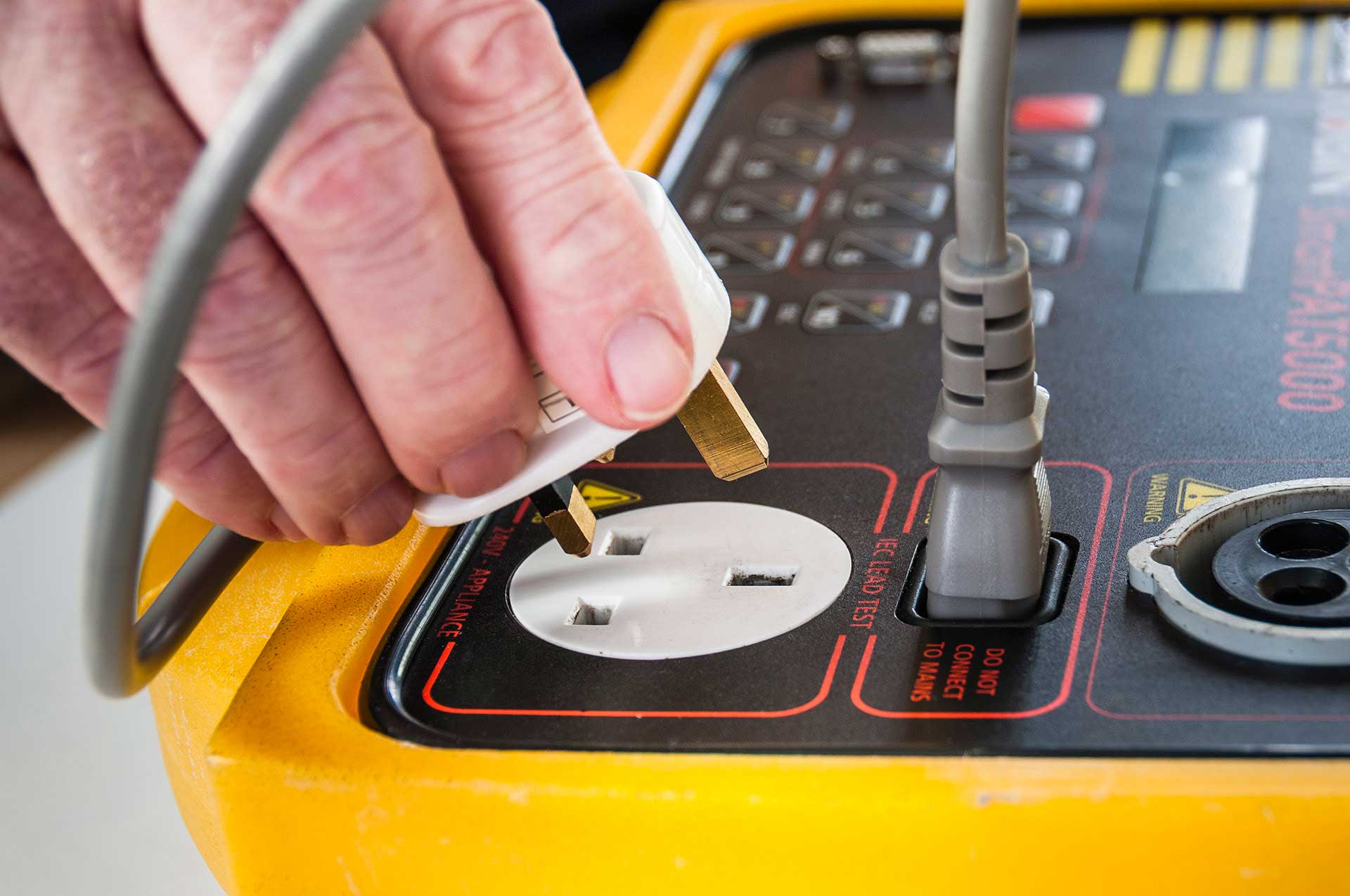
Our guide to PAT Testing

Pat testing new

Did you know that you don’t have to be a qualified electrician in order to carry out PAT testing?

As long as you’re competent to do so, absolutely anyone can check electrical appliances for safety. The most commonly accepted way to be seen as competent is to take a PAT training course and be presented with a Certificate of Competency in PAT testing.

What is PAT Testing? 

Portable Appliance Testing, also known as PAT testing, is the examination of portable electrical equipment and appliances to ensure they are safe to use. It generally includes three steps; 

  1. Regular, informal checks by the electrical equipment’s user(s) 
  2. A formal visual inspection of the equipment 
  3. A manual examination of the equipment with a portable appliance tester device (the PAT test)

Any portable electrical appliance (anything with a lead and a plug) needs to be PAT tested. Some examples include laptops and computers, kettles, handheld drills, printers, microwaves etc.

Is PAT testing a legal requirement? 

PAT testing is not a legal requirement. The law does state that any electrical equipment in the workplace must be maintained to ensure it is safe and doesn’t pose any risk to the people using it. It doesn’t, however, specify how the equipment should be maintained, or how often. 

PAT testing is recommended by professionals as the best way to meet these health and safety obligations and to protect yourself and your employees. 

What does electrical PAT testing involve?

Generally, PAT testing involves three steps, user checks, a visual inspection and the manual PAT test using a portable appliance tester. 

User checks

All users should be trained on how to use the equipment safely. This includes understanding the risks associated with the equipment and how to look out for signs of danger. Every individual should be able to visually check the appliance for any signs of damage and understand whether or not it is safe for use. They should also be able to highlight potential hazards such as trapped cables or water hazards. 

Visual inspection 

A formal visual inspection should be carried out by a competent member of staff or a professional (an electrical engineer). The HSE says that this process normally flags up 90% of issues with electrical equipment. The equipment should be switched off and unplugged before carrying out this stage of the inspection. 

  • Check the plug for any signs of damage. This includes cracks, burns, or bent pins. When checking the wiring, you should ensure that the live, neutral and earth wires are all tightly connected. 
  • Check the cable for any signs of damage. This could be cuts or fraying. Any exposed wiring is a fail.
  • Check the appliance itself for damages. This includes cracks, burns, corrosion or other signs of wear and tear.
  • Check the mains socket for damages. This doesn’t relate to the appliance itself, but it’s worth checking for cracks, signs of overheating and any loose fittings on the plug socket. 
  • Residual current device (RCD) checks. The RCD’s test button will trip if the current flowing through the live conductor is different to that in the neutral. 

Manual Examination 

Once the visual inspection is complete, it’s time for the manual examination. This is the stage of the Electrical PAT Testing where the portable appliance tester device is introduced. This device will test the appliance for earth continuity, lead polarity and insulation resistance.

Depending on the results, the appliance will receive a pass or fail sticker. Failed appliances should not be used, and should be removed for disposal or repair. Once repaired, it must pass an additional PAT test to be considered safe for use. 

Who can carry out a PAT test? 

Electrical PAT testing can be carried out by any competent person with the relevant training and equipment. This will likely be a qualified electrician. Interested in learning how to perform PAT testing and other electrical procedures? You might want to consider completing an electrical course.Get in touch with The Skills Centre to learn more about becoming an electrical engineer, or read more about our courses on our website!
Post Info :
Share this :

Other posts you may like

Gas Engineer Courses Near Me: What Must Be Done In Person?

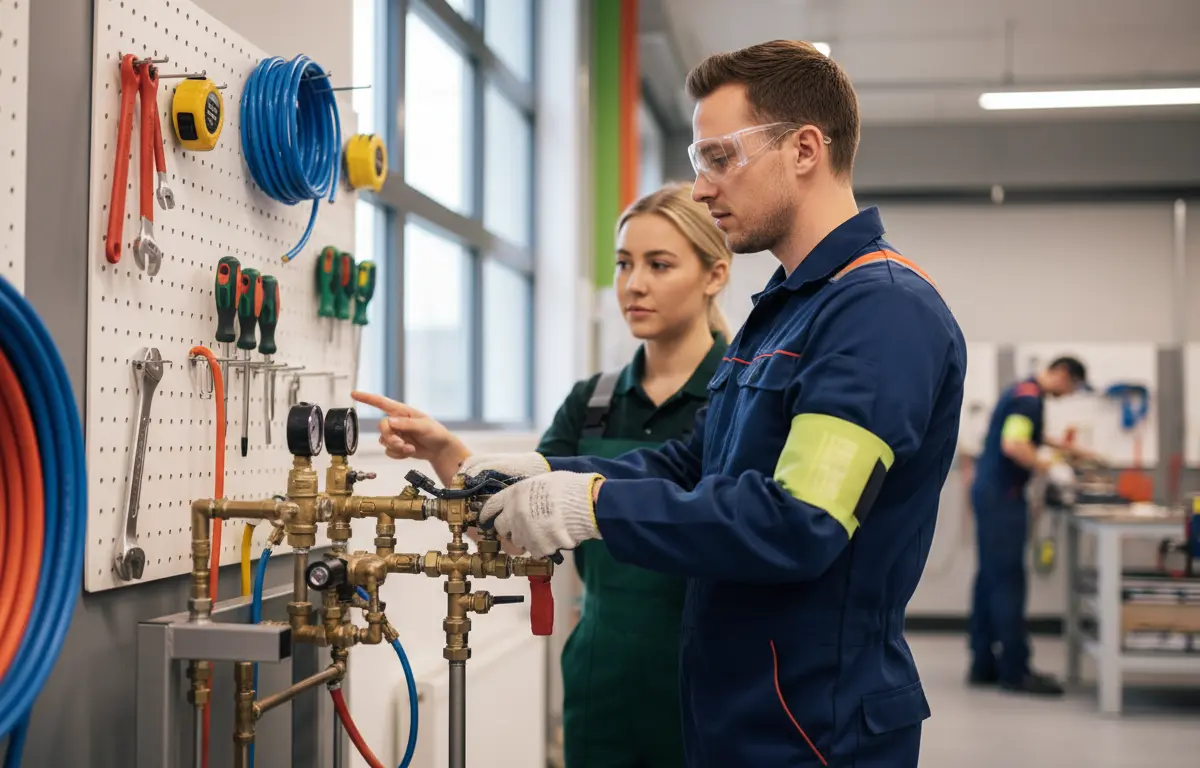
Trainee gas engineer working on a training rig in a workshop with a tutor

If you have typed "gas engineer courses near me" into a search bar, you are probably asking two things at once. Where can I train, and how much of it do I actually have to attend in person? It is a fair question, especially if you are working, caring for family or living a long way from the nearest training centre.

The short answer is that gas work is a practical trade, so the hands-on parts need a proper workshop. Some of the theory may be flexible, depending on the provider. This guide explains the difference so you know what to expect before you book.

Why gas training is hands-on

Gas work carries real safety risks. Engineers deal with gas supplies, appliances, flues and ventilation, and mistakes can have serious consequences for the people living in a property. That is why you must be on the Gas Safe Register to work legally on gas appliances in the UK, and why your competence has to be properly assessed.

Reading about a task and doing it are very different things. An assessor needs to see you work safely and methodically on real equipment. That cannot be signed off through a screen, which is why every credible gas engineer route includes time in a physical training environment.

If a course promises to make you a qualified gas engineer entirely online, treat that with caution and ask exactly how your practical skills will be assessed.

Theory that can be learned remotely

Not everything has to happen in a classroom. Depending on the training provider, some of the knowledge side of the course may be studied at home or at your own pace. This typically covers areas such as:

  • Gas safety legislation and regulations
  • The basics of combustion and how gas appliances work
  • Terminology and standards you will use on the job
  • Understanding how to read manufacturer instructions and technical information
  • Revision for written or multiple-choice assessments

Studying this material before you reach the workshop can help you make better use of your practical time. It also suits people who are fitting training around a job.

How much of this is delivered remotely varies between providers, so it is worth asking directly. Some centres teach all theory on site, some use a mix. Neither is automatically better. It depends on how you like to learn.

If you are comparing routes, our guide to gas engineer training from beginner to professional explains how the stages fit together.

Practical sessions that need a workshop

The practical side is where a training centre earns its place. Workshops are set up with the equipment, appliances and safe working areas that you simply cannot recreate at home. In person, you can expect to practise things like:

  • Working with gas pipework
  • Safe isolation and making an installation safe
  • Tightness testing and purging
  • Checking flues and ventilation
  • Installing, commissioning and servicing appliances
  • Fault finding on live training rigs

These sessions are also where tutors can watch your technique, correct habits early and show you how experienced engineers approach a job. Many learners find this the most valuable part of the course.

Final practical assessments also need to be carried out in person, because an assessor has to observe you working. If you want to understand how certification fits into this, see our article on the Gas Safe Engineer course and our overview of the Gas Safe Register course.

Planning travel and time away from home

Because the practical work has to be done at a centre, it helps to plan the logistics early. The nearest centre may not be in your town, and that is normal for specialist trades training. Think through these points before you commit:

  • Travel time: Can you realistically get there on the days you would need to attend?
  • Overnight stays: If the centre is far away, would you need accommodation, and have you budgeted for it?
  • Time off work: Check how the practical sessions are scheduled and whether you can arrange leave with your employer.
  • Family and caring commitments: Will you need cover at home for any attendance days?
  • Total time: Practical blocks, theory and assessments all add up, so ask for a clear picture of the full timeline.

If you are comparing lengths of study, our article on how long a plumbing course takes to complete may help with planning, and our guide to local gas engineer courses covers how to weigh up centres in different areas.

Apprenticeships work differently. You spend most of your time working with an employer, with training days alongside. If you are unsure which suits you, read Gas Engineer Apprenticeship vs Course: Which Route to Choose.

Questions to ask your training centre

A good centre will be happy to answer these clearly. Before you book, ask:

  1. Which parts of the course are taught on site, and which can I study remotely?
  2. How many practical sessions will I need to attend, and on what days?
  3. What equipment and appliances will I train on?
  4. How and where will my practical competence be assessed?
  5. Is there support if I need extra practice time in the workshop?
  6. What are the entry requirements, and do I need any prior experience?
  7. What happens after the course, and what steps remain before I can register?

Write the answers down and compare them across providers. Vague replies about assessment or attendance are a sign to dig deeper.

Booking and next steps

Once you know what has to happen in person, choosing a course gets much easier. Decide how much travel you can manage, check how the training is structured, and make sure the practical and assessment arrangements are spelled out before you pay anything.

Skills Centre UK offers a gas engineer course and a gas engineer apprenticeship for people across the UK, as well as plumbing training. If you would like to talk through the learning format, the practical elements and which route fits your circumstances, get in touch with our team. We are happy to answer your questions and help you plan your next step.

You may also find our Gas Engineer Apprenticeship: Your Route to a Skilled Trade Career guide useful if you are considering learning on the job.

Frequently asked questions

Can I become a gas engineer entirely online?

No. Gas work is practical and safety critical, so your skills must be assessed in person on real equipment. Some theory may be studied remotely, but the practical training and assessment need a physical training centre.

Which parts of gas engineer training can be done remotely?

Depending on the provider, knowledge-based topics such as gas regulations, combustion basics, terminology and exam revision may be studied remotely. Practical tasks like pipework, tightness testing and appliance work need a workshop.

Why do gas engineer courses need practical assessment?

Gas work can be dangerous if done incorrectly. An assessor must see you work safely and competently on real equipment before you can go on to work legally on gas appliances in the UK.

Do I need to live near the training centre?

Not necessarily. Many learners travel to a centre away from home. Check the attendance pattern, travel time and any overnight stays you may need so you can plan around work and family.

Is an apprenticeship different from a course when it comes to in-person training?

Yes. On an apprenticeship you learn mostly on the job with an employer, with training days alongside. A course usually has a more concentrated block of training at a centre.