Did you know that you don’t have to be a qualified electrician in order to carry out PAT testing?
As long as you’re competent to do so, absolutely anyone can check electrical appliances for safety. The most commonly accepted way to be seen as competent is to take a PAT training course and be presented with a Certificate of Competency in PAT testing.
What is PAT Testing?
Portable Appliance Testing, also known as PAT testing, is the examination of portable electrical equipment and appliances to ensure they are safe to use. It generally includes three steps;
Regular, informal checks by the electrical equipment’s user(s)
A formal visual inspection of the equipment
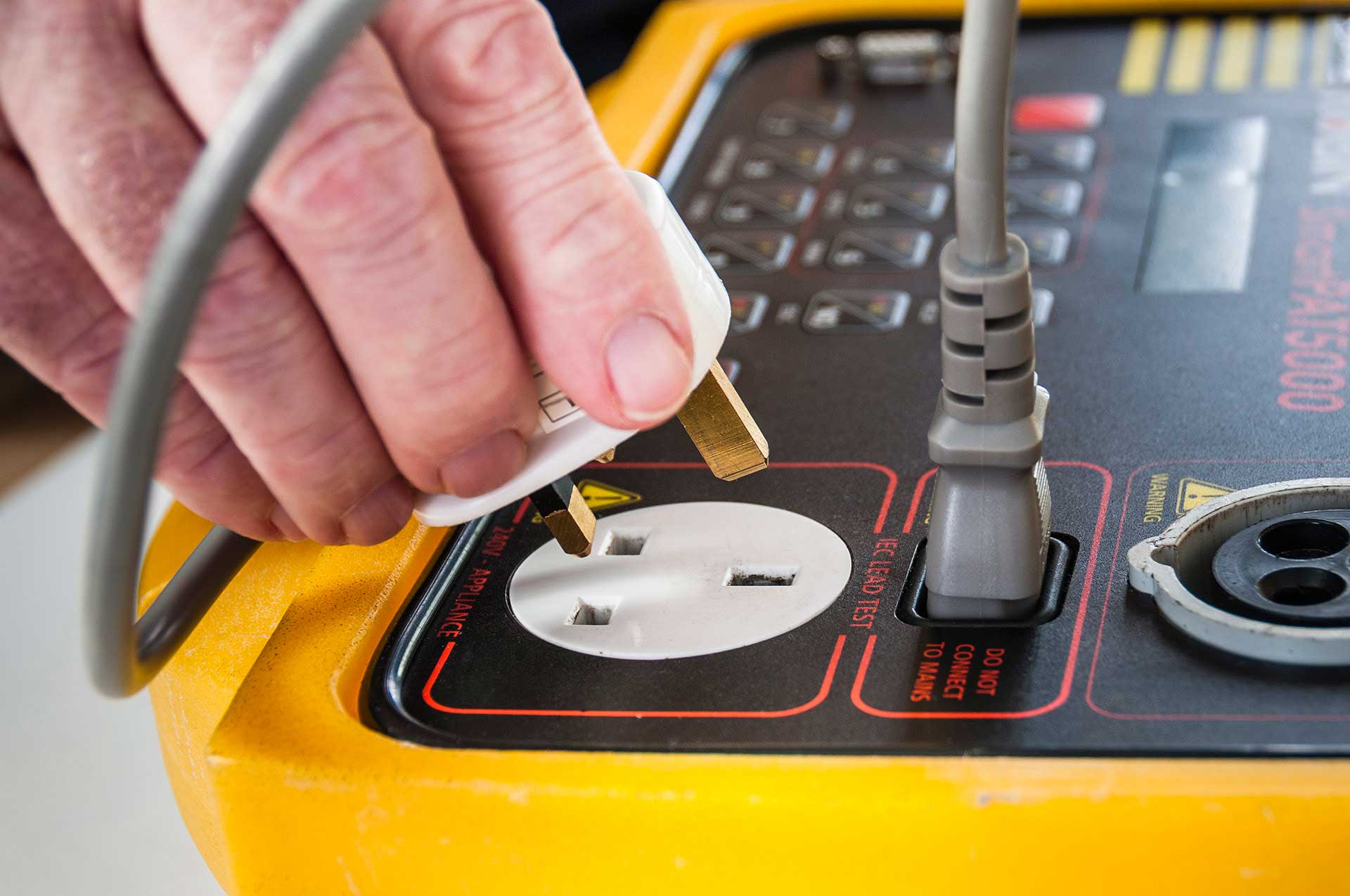
A manual examination of the equipment with a portable appliance tester device (the PAT test)
Any portable electrical appliance (anything with a lead and a plug) needs to be PAT tested. Some examples include laptops and computers, kettles, handheld drills, printers, microwaves etc.
Is PAT testing a legal requirement?
PAT testing is not a legal requirement. The law does state that any electrical equipment in the workplace must be maintained to ensure it is safe and doesn’t pose any risk to the people using it. It doesn’t, however, specify how the equipment should be maintained, or how often.
Generally, PAT testing involves three steps, user checks, a visual inspection and the manual PAT test using a portable appliance tester.
User checks
All users should be trained on how to use the equipment safely. This includes understanding the risks associated with the equipment and how to look out for signs of danger. Every individual should be able to visually check the appliance for any signs of damage and understand whether or not it is safe for use. They should also be able to highlight potential hazards such as trapped cables or water hazards.
Visual inspection
A formal visual inspection should be carried out by a competent member of staff or a professional (an electrical engineer). The HSE says that this process normally flags up 90% of issues with electrical equipment. The equipment should be switched off and unplugged before carrying out this stage of the inspection.
Check the plug for any signs of damage. This includes cracks, burns, or bent pins. When checking the wiring, you should ensure that the live, neutral and earth wires are all tightly connected.
Check the cable for any signs of damage. This could be cuts or fraying. Any exposed wiring is a fail.
Check the appliance itself for damages. This includes cracks, burns, corrosion or other signs of wear and tear.
Check the mains socket for damages. This doesn’t relate to the appliance itself, but it’s worth checking for cracks, signs of overheating and any loose fittings on the plug socket.
Residual current device (RCD) checks. The RCD’s test button will trip if the current flowing through the live conductor is different to that in the neutral.
Manual Examination
Once the visual inspection is complete, it’s time for the manual examination. This is the stage of the Electrical PAT Testing where the portable appliance tester device is introduced. This device will test the appliance for earth continuity, lead polarity and insulation resistance.
Depending on the results, the appliance will receive a pass or fail sticker. Failed appliances should not be used, and should be removed for disposal or repair. Once repaired, it must pass an additional PAT test to be considered safe for use.
Who can carry out a PAT test?
Electrical PAT testing can be carried out by any competent person with the relevant training and equipment. This will likely be a qualified electrician. Interested in learning how to perform PAT testing and other electrical procedures? You might want to consider completing an electrical course.Get in touch with The Skills Centre to learn more about becoming an electrical engineer, or read more about our courses on our website!
Adult Plumbing Courses: Career Change Training Options
Changing careers as an adult can feel daunting, but plumbing offers excellent opportunities for those seeking a stable, well-paid profession. Adult plumbing courses provide the training you need to enter this essential trade, with flexible options designed around your existing commitments.
Why Adults Choose Plumbing Careers
Plumbing remains one of the most secure career choices available. Every home and business needs plumbing services, creating consistent demand for skilled professionals. The work offers variety, from emergency repairs to new installations, and many plumbers eventually start their own businesses.
Unlike office-based roles, plumbing provides hands-on work that many adults find more satisfying than their previous careers. The profession also offers good earning potential, with experienced plumbers commanding competitive rates for their expertise.
Job security is another major draw. Plumbing skills are always needed, making it recession-proof compared to many other industries. This stability particularly appeals to adults who have experienced uncertainty in other sectors.
Flexible Learning Options for Working Adults
Adult plumbing courses recognise that career changers often have existing responsibilities. Training providers offer various study methods to accommodate different situations and learning preferences.
Part-time courses spread the learning over a longer period, allowing you to maintain your current job while training. These programmes typically run over several months, with sessions scheduled around working hours.
Intensive courses compress the training into shorter timeframes, perfect if you can take time off work or between jobs. These accelerated programmes cover the same material but require full-time commitment for several weeks.
Distance learning components complement practical training, letting you study theory at home. This blended approach maximises flexibility while ensuring you get essential hands-on experience.
Evening and Weekend Course Availability
Many training centres offer evening classes specifically for working adults. These sessions typically run from 6pm to 9pm on weekdays, allowing you to attend after your regular job.
Weekend courses are another popular option, with full-day sessions on Saturdays or Sundays. Some providers offer intensive weekend programmes that cover significant ground in concentrated blocks.
Block release training combines both approaches, with several consecutive days of intensive study followed by periods of independent learning or work experience. This format suits adults who can arrange time off work in blocks rather than regular weekly sessions.
Prior Experience and Transferable Skills
Adults entering plumbing often bring valuable transferable skills from previous careers. Problem-solving abilities, customer service experience, and manual dexterity all benefit plumbing work.
If you have construction experience, you will already understand building regulations and health and safety requirements. Electrical knowledge is particularly valuable, as modern plumbing increasingly involves electrical components.
Even non-technical backgrounds provide useful skills. Retail experience helps with customer interaction, while administrative roles develop the organisational skills needed for running a plumbing business.
Training providers assess your existing skills and may offer credit for relevant experience, potentially reducing course duration or allowing you to skip certain modules.
Financial Considerations and Support
Career change training represents a significant investment, but various funding options can help manage the costs. In England, adults aged 19 or over may be able to study selected level 3 qualifications for free under the government's Free Courses for Jobs offer if they earn below £25,750 or are unemployed, and building and construction is one of the eligible subject areas (GOV.UK, updated July 2025). Advanced Learner Loans are also available for eligible learners aged 19 or over studying a level 3, 4, 5 or 6 qualification at an approved college or training provider in England, and they do not depend on income or credit checks (GOV.UK).
Some adults use redundancy payments to fund their training, viewing it as an investment in their future security. Others save gradually while working, spreading the financial impact over time.
Apprenticeships offer an alternative route, combining training with paid work experience. While traditionally associated with school leavers, adult apprenticeships are increasingly available for career changers.
Consider the long-term financial benefits when evaluating course costs. Qualified plumbers typically earn more than many office workers, and the investment often pays for itself within the first year of qualified practice.
Balancing Training with Current Commitments
Successfully completing adult plumbing courses requires careful planning and time management. Start by honestly assessing how much time you can dedicate to study each week.
Communicate with family members about your training commitment. Their support makes a significant difference to your success, particularly during intensive practical sessions or exam periods.
If you are currently employed, discuss your plans with your employer. Some companies support career development and may offer flexible working arrangements during your training period.
Create a study schedule that fits around your existing commitments. Consistency is more important than cramming, so regular short study sessions often work better than occasional long ones.
Consider reducing other commitments temporarily while training. This might mean fewer social activities or delegating some household responsibilities to focus on your studies.
Getting Started with Adult Plumbing Training
Before enrolling, research different training providers and compare their offerings. Look for courses that include both theoretical knowledge and practical skills, as both are essential for professional plumbing work.
Check that courses cover current regulations and modern plumbing techniques. The industry evolves constantly, so up-to-date training is crucial for career success.
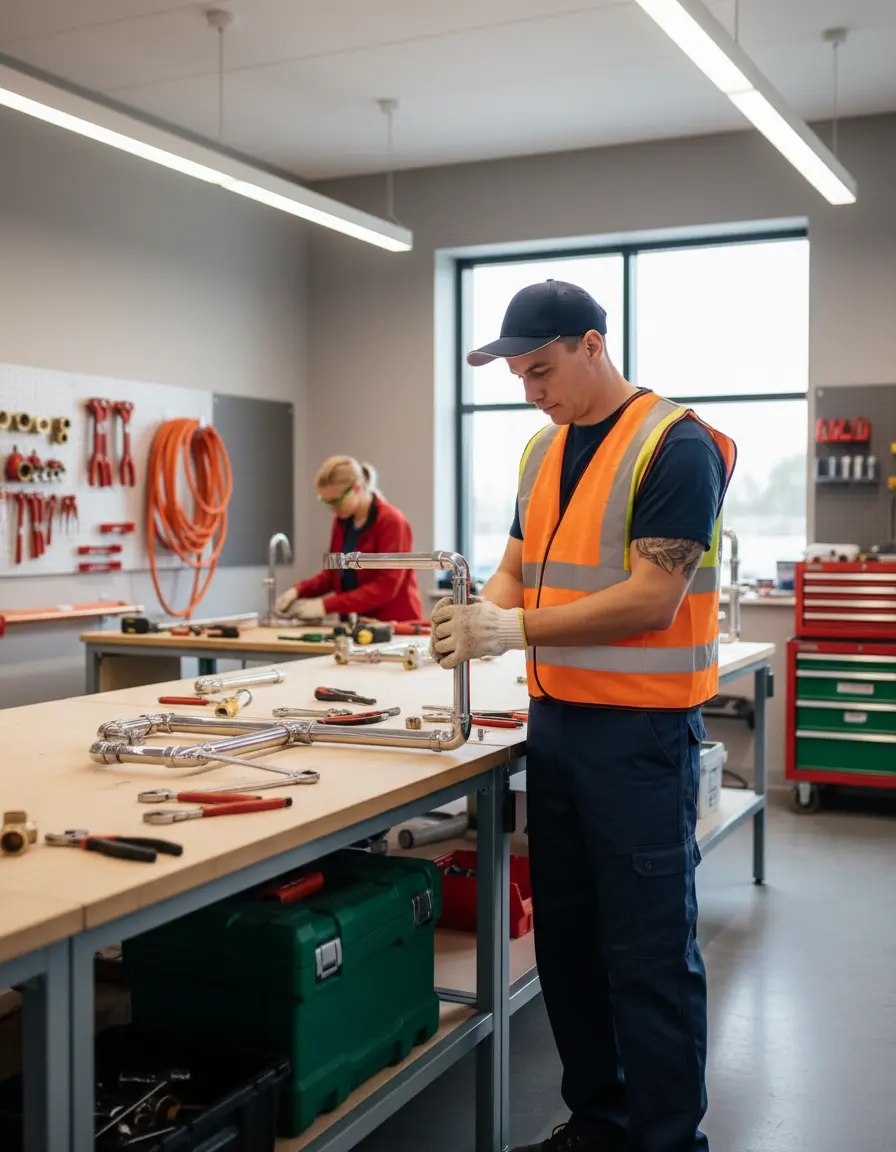
Visit training facilities if possible to see the equipment and workshops you will use. Quality training requires proper facilities and experienced instructors who understand adult learning needs.
Speak to current students or recent graduates to get honest feedback about their experience. Their insights can help you choose the right course and prepare effectively for training.
Many providers offer taster sessions or open days where you can experience the training environment before committing. These events also provide opportunities to ask questions about course content, schedules, and support available.
Adult plumbing courses open doors to a rewarding career change, offering the flexibility and support you need to succeed while managing existing responsibilities. With proper planning and commitment, you can develop the skills needed for a stable, well-paid profession in the essential plumbing trade.
Frequently asked questions
How long do adult plumbing courses take to complete?
Adult plumbing courses vary in duration depending on the format. Part-time courses typically take 6-12 months, while intensive full-time programmes can be completed in 4-8 weeks. The exact timeframe depends on the level of qualification and your chosen study schedule.
Can I study plumbing while working full-time?
Yes, many adult plumbing courses offer evening and weekend options specifically for working professionals. Part-time courses spread the learning over several months, allowing you to maintain your current job while training for a new career.
Do I need any prior experience to start a plumbing course?
No prior plumbing experience is required for most adult courses. Training starts from the basics and builds up your skills progressively. However, any manual skills, construction experience, or technical knowledge you already have will be beneficial.
What qualifications will I get from an adult plumbing course?
Adult plumbing courses typically lead to recognised qualifications such as NVQ Level 2 or 3 in Plumbing and Heating, City & Guilds certificates, or equivalent industry-standard qualifications that employers recognise.